

For a long time I had a complicated relationship with the phrase “support your mood naturally.” On the days I felt okay, the suggestion to eat better and move more sounded reasonable. On the days I really needed help, the same suggestion sounded like a small slap — the implication that I just needed to drink more water and take a walk and I’d be fine, when in reality I was barely getting out of bed.
It took me a while to find a more honest version of this conversation. The basics — food, movement, rest, sunlight, connection — don’t fix clinical depression. They aren’t a substitute for therapy or medication when those are needed. But they do something real. They create the conditions in which the rest of your healing can work better. They give your nervous system raw material it actually needs. They’re not the whole answer; they’re the foundation under whatever else you’re doing.
This article is about that foundation, with respect for what it can and can’t do. We’ll look at the food, movement, and rest practices that genuinely support mood, the science underneath them, and how to start when starting feels hard.
In This Article
Key Takeaways
- Natural mood support is real, but it isn’t a substitute for clinical care when that’s needed.
- Food, movement, sleep, sunlight, and connection each have measurable effects on mood.
- The basics work best as a foundation under therapy or medication, not in place of them.
- Starting small is the only sustainable approach when mood is low.
- If symptoms are severe or persistent, professional help is the most natural and effective thing you can do.
An Honest Conversation About “Natural” Mood Support
Let’s set the frame clearly. The wellness world sometimes implies that the right diet, the right supplements, and a yoga practice can replace any prescription. The medical world sometimes implies that lifestyle factors are barely worth discussing once medication is on the table. The truth is in between.
Lifestyle interventions have a meaningful evidence base for mild to moderate depression and anxiety. They’re a real part of comprehensive treatment, not just an inspirational wellness extra. At the same time, severe depression, bipolar disorder, postpartum mood disorders, and many other conditions need clinical support that walks and salads cannot provide. Both things are true.
The most useful framing is to think of natural mood support as the floor under your other interventions. Therapy works better when you’re sleeping. Medication works better when your body has nutrients to work with. Recovery is faster when you move regularly and have real connection. The basics don’t replace what you need; they make what you need work better.
Food and the Mood Connection
The connection between food and mood is more direct than most people realize. About 90% of the body’s serotonin is produced in the gut. Inflammation, blood sugar swings, and certain nutrient deficiencies are associated with depressive symptoms. The brain is, among other things, a metabolic organ — and what you feed it matters.
The most reliable mood-supporting eating pattern is what researchers call the Mediterranean-style diet — vegetables, fruits, whole grains, legumes, fish, olive oil, nuts, and minimal ultra-processed food. Multiple studies have linked this pattern to lower rates of depression and better outcomes when depression is being treated.
A few specific factors are worth attention. Omega-3 fatty acids, found in fatty fish and certain seeds, are linked to better mood regulation. B vitamins, especially folate and B12, are involved in neurotransmitter production. Vitamin D — which functions more like a hormone than a vitamin — is associated with mood regulation, and many people are low. Iron levels matter. Stable blood sugar matters.
None of this means you need to overhaul your eating tomorrow. The single most useful change for most people is reducing ultra-processed foods and adding more plants and fish. That alone makes a measurable difference for many people. Start there.
Movement as Medicine
Of all the lifestyle interventions for mood, movement may have the strongest evidence base. Multiple meta-analyses have found that regular exercise has effects comparable to antidepressant medication for mild to moderate depression — and works as a useful adjunct for more severe presentations.
The mechanisms are several. Movement increases brain-derived neurotrophic factor, which supports brain plasticity. It reduces inflammation. It regulates the stress response. It improves sleep. It releases endorphins and other neurochemicals associated with wellbeing. And it gives the body a way to discharge accumulated stress that has nowhere else to go.
The best exercise for mood is the one you’ll actually do. Walking is enormously effective and underrated. Yoga has good evidence. Strength training, swimming, cycling, dancing — all of them work. The consistency matters more than the form.
For mood support specifically, aim for around 30 minutes most days. If that feels impossible, start with 5. The literature suggests there’s no minimum threshold below which exercise stops helping — even tiny doses count. The point is regular movement, not heroic workouts.
Sleep, the Most Underrated Antidepressant
Sleep is so foundational to mood that disrupting it experimentally can produce depressive symptoms in healthy adults within days. Conversely, restoring good sleep is one of the most powerful interventions for an unwell mood. If you only changed one thing, sleep would be a strong candidate.
The fundamentals of sleep hygiene aren’t glamorous, but they work. A consistent sleep and wake time. A cool, dark, quiet bedroom. A wind-down routine in the hour before bed. Reduced screens late at night, or at least dimmed, warmer light. Caffeine cut off after early afternoon. Alcohol minimized, since it disrupts sleep architecture even when it helps you fall asleep.
If insomnia is part of your picture, the most evidence-based intervention is cognitive behavioral therapy for insomnia (CBT-I) — sometimes available through your doctor, often available through apps. It works as well as sleep medication for most people, with longer-lasting results. Treating sleep often improves mood faster than treating mood directly.
And don’t underestimate naps. A short afternoon nap — 20 to 30 minutes — can rescue a bad day. The aim isn’t to substitute for nighttime sleep, but to give the system a dose of recovery when one night ran short.
Sunlight, Nature, and Circadian Health
Light exposure regulates the circadian system, which governs sleep, mood, energy, and more. Many people in modern life are chronically under-lit during the day and over-lit at night, which is exactly the opposite of what the system needs.
The most effective free intervention is morning sunlight. Even ten to fifteen minutes outside within an hour of waking — without sunglasses or a window between you and the sun — sets the circadian system for the day, supports nighttime melatonin production, and has been linked to better mood across multiple studies.
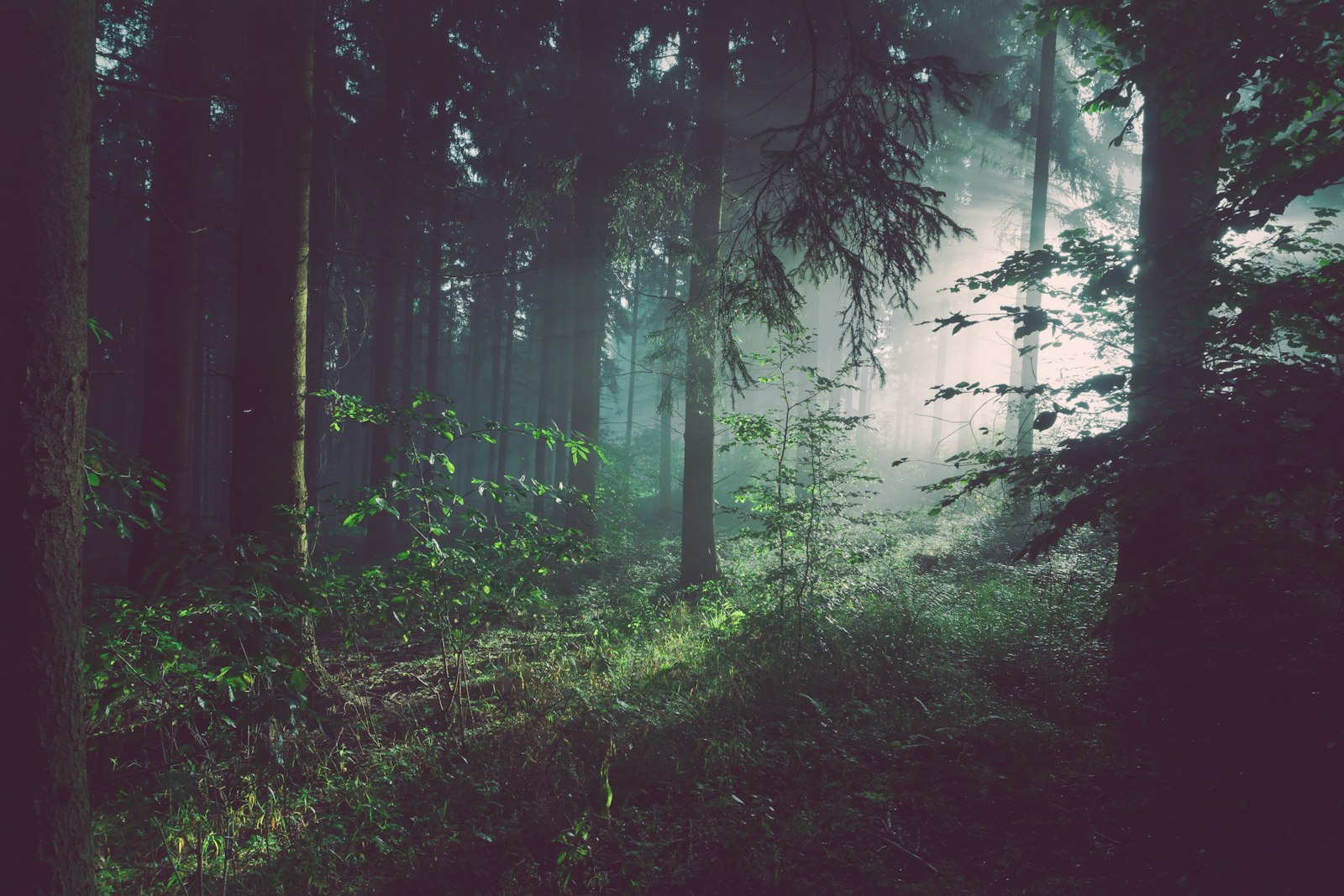
Time in nature, beyond just sunlight, has its own mood-supporting effects. Forest walks, parks, green spaces, gardens — all of these have been shown to lower stress hormones and improve mood, sometimes after just twenty minutes. Some of this is the sunlight, some is the movement, some appears to be specific to natural environments themselves. Whatever the mechanism, it works.
For people who live in dark winters, light therapy lamps (10,000 lux, used for 20-30 minutes in the morning) have strong evidence for seasonal mood support. They’re affordable and accessible, and they help substantially for many people.
The Mood-Connection Loop
One of the cruelest features of low mood is that it makes you want to withdraw — and withdrawal makes the mood worse. The relationship between connection and mood is one of the most robust in mental health research. Loneliness is a mood risk factor on par with smoking and obesity. Belonging is one of the strongest protective factors there is.
You don’t need a thriving social life to benefit. The basics are smaller than that. A weekly call with someone who knows you. A walk with a friend. A meal with people who don’t require performance. A hobby with other humans in the room, even if you don’t talk much. A pet, for what it’s worth — animal companionship has measurable mood effects.
If connection is hard right now, start with something low-stakes. Showing up to a yoga class doesn’t require talking to anyone, but you’re in a room with people. Volunteering is a way to be useful while being around others. Coffee shops let you be alone-but-among. The bar for “connection” is lower than the wellness internet sometimes suggests.
Starting When Starting Feels Hard
The hardest thing about supporting mood naturally is that low mood erodes the very motivation needed to do the things that help. Telling someone with depression to exercise more is technically correct and existentially exhausting. The interventions need to be small enough to survive low motivation.
Start with the smallest version of one thing. Not a thirty-minute walk — a five-minute walk. Not seven hours of sleep — going to bed thirty minutes earlier. Not a Mediterranean overhaul — adding a vegetable to one meal a day. Not a yoga practice — three minutes of stretching when you wake up.
Pick one. Do it for a week. Notice if anything shifts. Then add another small thing. The depression brain interprets every successful tiny win as evidence that something is possible — and that evidence is itself mood-supporting.
Don’t try to do everything at once. The list of natural mood supports is long, and trying to implement all of it simultaneously is the surest way to do none of it. Trust the slow, accumulating effect of small consistent practices over the heroic but unsustainable overhaul.
Knowing When to Get More Help
Natural mood support is wonderful and real. It is also not enough on its own for many situations. Please consider professional help if you’re experiencing persistent low mood for more than two weeks, significant changes in sleep or appetite, loss of pleasure in things that used to be enjoyable, hopelessness, thoughts of harming yourself, or symptoms that are interfering with work, relationships, or daily life.
Therapy works. Medication works. Both together often work best. Asking for help is not a failure of natural mood support — it’s the most natural thing in the world to do when something is bigger than you. The body asks for help when it’s hurt. The mind deserves the same.
If you’re in crisis, please reach out — to a trusted person, to your doctor, to a crisis line. In the United States, 988 is the Suicide and Crisis Lifeline, available 24/7 by call or text. There are people whose job it is to help, and they want you to call.
The food, the movement, the rest, the sunlight, the connection — these are gifts you can give your body and mind every day. They will not save you on their own if something bigger is happening, but they will make whatever else you do work better. Tend the basics with care. Get the help you need when you need it. The natural and the clinical aren’t opposed. They’re partners. And both are part of how you come home to yourself.
Sources
- Depression — National Institute of Mental Health.
- How Much Sleep Do We Really Need? — Sleep Foundation.
- Anxiety Disorders — National Institute of Mental Health.
- Spending time in nature can promote mental health — Harvard T.H. Chan School of Public Health.
- Rhythms in cortisol mediate sleep and circadian impacts on health — SLEEP / Oxford Academic.
The Free Subscriber’s Library Is Open
Join Peacefully Proven for a growing collection of free wellness tools, guides, and printables, plus a guided forest bathing meditation to begin. All yours, always free.






Join the conversation and add your thoughts.