
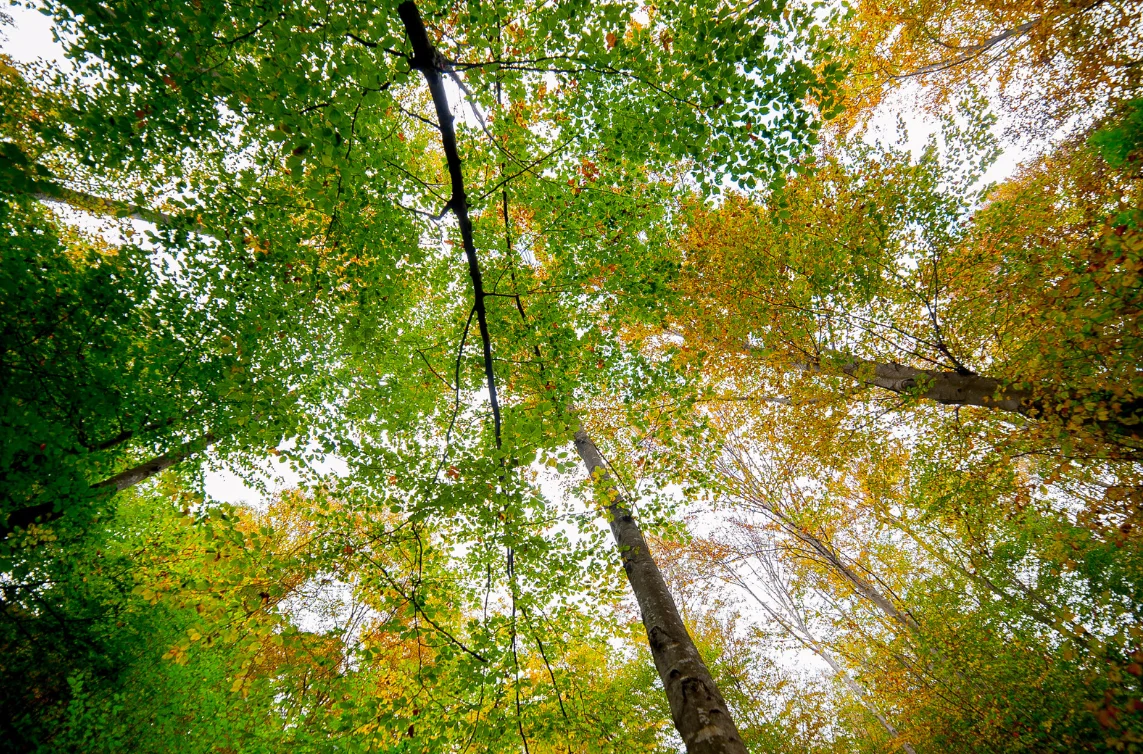
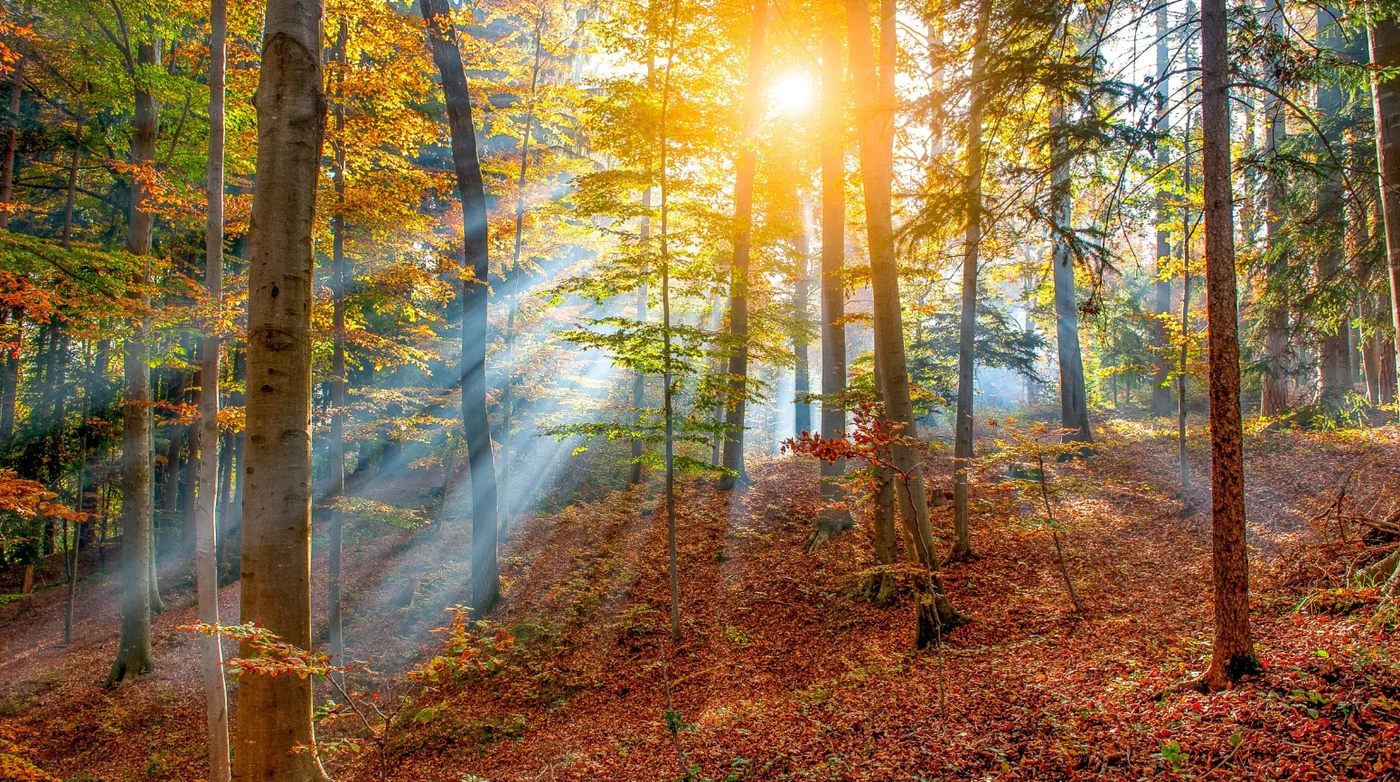
My house is on four acres of woods in Wayland, Michigan. There is no lawn. There is no garden. There is very little landscaping of any kind, just the trees, the ground under them, and the covered porches on the house. That is on purpose.
Here is why, in my own words: “I keep it natural for two reasons. It is a lot easier and less work with no lawn to maintain. It takes a lot of work to keep a lawn looking nice and well manicured. Also I like the wildlife it attracts.”
And the line that sums it up best for me: “I think of my four acres as a small wildlife preserve.”
That is the whole story from my side. The rest of this article is for you, whether you have a big wooded lot, a quarter-acre in a subdivision, or a small patch of grass behind a rental. I wanted to look at what a lawn asks of us, what natural land offers the creatures around us, and how anyone can start small. I also cover two practical things that come with a wilder yard: getting along with neighbors, and ticks.
In This Article
Key Takeaways
- I keep my four wooded acres natural because it is far less work than a lawn, and because I like the wildlife it attracts.
- The EPA says U.S. homes use nearly 8 billion gallons of water a day outdoors, mainly for landscape irrigation.
- Fallen leaves, dead trees, native plants, and flowering “weeds” give birds, bees, and other wildlife food and shelter that mowed grass does not.
- You do not need acres. A corner of leaves, a smaller mowed area, or one native plant is a good start.
- Check your local rules on grass height, keep tidy edges, and do a full tick check after time outdoors, including your own yard.
My Two Reasons for Keeping It Natural
I want to be clear about something at the start. I am not writing this to tell anyone their lawn is wrong. Plenty of people enjoy mowing, and a stretch of soft grass is wonderful for kids, dogs, and backyard games. This is simply what works for me and my land, and why.
Reason one: it is much less work
I work from home running my own consulting business, and I am on the computer most of the day, often on calls. When my workday ends, I do not want hours of yard work ahead of me. A lawn that looks nice and well kept takes steady effort: mowing, edging, watering in dry spells, feeding, weeding, raking, and repeating all of it the next week. Four acres of woods asks for almost none of that. The trees grow, the leaves fall, and the land takes care of itself.
Reason two: I like the wildlife it attracts
The second reason is simple: I like the wildlife that natural land attracts. The woods stay woods, and wildlife is welcome there.
If you would like a simpler, lower-effort way of living, a natural yard is one of the easiest places to put that into practice. It fits right in with the ideas in our guide to green living for beginners: start where you are, and small changes count.
What a Lawn Asks of You
Lawns are so common in the United States that it is easy to forget how much they take to keep up. Time and energy are the obvious parts. Water is the part most of us do not see.
Water
According to the U.S. Environmental Protection Agency’s WaterSense program, residential outdoor water use in the U.S. is nearly 8 billion gallons of water each day, mainly for landscape irrigation. The same page notes that the average U.S. household uses more water outdoors than for showering and washing clothes combined. Most of us think of the shower and the washing machine as our big water users, not the sprinkler.
Time and effort
Then there is the work itself. A neat lawn is never finished. Grass keeps growing, weeds keep coming back, and leaves keep falling. For many people, weekends in spring, summer, and fall fill up with yard chores. If you love that time outside, wonderful. If it feels like too much, it is worth knowing you have choices.
Little food for pollinators
A smooth, weed-free lawn may look tidy, but it offers very little to the insects that birds and flowers depend on. Michigan State University Extension, in its tip sheet on smart lawn alternatives to protect pollinators, describes a typical lawn as a dense, green carpet with almost nothing to offer pollinators. The same tip sheet says lawns with a few weeds can provide food and habitat for hundreds of bee species, and that over 450 species of native bees live in Michigan.
So the work we put into keeping a lawn perfectly uniform can remove the very flowers that feed bees. That is not a reason to feel guilty. It is just useful to know.
What Natural Land Offers Wildlife
When land is left more natural, it starts to provide the basic things wildlife needs: food, shelter, and safe places to raise young. Here are a few of the pieces that matter most, based on guidance from the National Wildlife Federation, Audubon, and MSU Extension. These describe what natural land can support in general, so you know what to look for in your own space.
Fallen leaves
The National Wildlife Federation makes a strong case in its article Why You Should Leave the Leaves. Leaf litter gives turtles, toads, birds, mammals, and invertebrates food, shelter, and nesting material. The article also notes that many moth and butterfly caterpillars spend the winter in fallen leaves before they come out in spring. When leaves are raked, bagged, and hauled away, those overwintering insects can go with them.
Dead trees and fallen logs
A dead tree can look like something to clean up, but the National Wildlife Federation’s page on trees and snags explains why it is often worth keeping one where it is safe to do so. Standing dead trees, called snags, give birds, bats, squirrels, and raccoons places to nest in hollows and cracks. Dead wood draws insects, mosses, lichens, and fungi, which become food. The mosses, lichens, and fungi help return nutrients to the soil, and fallen logs can help new seedlings get started. The NWF page says three snags per acre is a common estimate for most areas, and that your local wildlife authorities can give advice for your region.
Safety comes first. The same page advises removing any tree that could fall on your home or a neighbor’s home, and not letting dead wood rest against your house.
Native trees and the caterpillars they feed
Birds need insects, especially when they are raising young. Audubon reported on this in New Research Further Proves Native Plants Offer More Bugs for Birds. In a two-year study of Carolina chickadees in suburban yards around Washington, D.C., the birds nested more often in yards with many native trees than in yards with more introduced plants. Researchers found that most introduced plants had one caterpillar or less, while native oaks often had 20 or more larvae in five minutes of searching.
The article also notes that a brood of five chickadees may need 6,000 to 9,000 caterpillars in a season, and that some oaks support up to 557 species of moths and butterflies. That is a lot of food for birds from a single kind of tree.
Flowers in the grass
Even a regular lawn can help when it is allowed to bloom. The MSU Extension tip sheet points out that lawn weeds such as clover and dandelion are an important food source for bees, and that leaving a few of these flowering plants will encourage visiting pollinators through the growing season.
You do not have to build wildlife habitat from scratch. Often the most helpful thing is to stop removing what is already there: the leaves, the old logs, the clover, and the native trees.
If you enjoy spending time among trees, our forest bathing guide shares simple ways to slow down and take in the natural world around you, wherever you live.
How to Start Small, Even With a Regular Yard
You do not need four acres of woods to give wildlife a little more room. Small steps add up, and you can try one at a time to see how it feels. Here are some gentle places to begin.
Leave the leaves in one spot
Pick a corner of your yard, a strip along the fence, or the space under a tree, and let the fall leaves stay there. That one change can give overwintering insects a place to rest until spring, and it means less raking for you.
Mow a little less of it
MSU Extension suggests you can gradually reduce the amount of grass in your current lawn and replace it with native flowerbeds or more plantings. You might keep a mowed area for relaxing and playing and let a back section grow more freely. A clean mowed edge around a natural area can help it look planned and cared for.
Let the clover and dandelions bloom
If you are open to it, skip the weed killer in part of the yard and let low flowers like clover come up. MSU Extension names low-growing white or Dutch micro-clover as a lawn alternative that gives bees nectar and pollen.
Add one native plant or tree
Based on the Audubon research above, native trees such as oaks and cherries feed far more caterpillars than most introduced plants. If you are already planning to plant something, a native choice can do a lot of good. Your local extension office or native plant society can help you choose plants that suit your area.
Keep a log or a dead tree where it is safe
If you have an old stump, a fallen log, or a dead tree well away from buildings and paths, consider leaving it. Follow the safety advice from the National Wildlife Federation and ask an arborist if you are unsure.
Cut back on watering
The EPA’s WaterSense program encourages choosing plants that are low water use or drought tolerant for your area, which can cut down on watering.
If these ideas appeal to you, you might also enjoy our list of eco-friendly home swaps, which takes the same small-steps approach indoors.
Being a Good Neighbor
A natural yard works best when the people around you are comfortable with it. A few simple steps can help.
Check your local rules first
Many cities, townships, and homeowners associations have rules about how tall grass can grow and what counts as a weed. These rules vary a great deal from place to place. Some areas allow natural or native plantings with a permit or a plan, and others do not. Before you let part of your yard grow, call your city or township office, or read your HOA rules, so there are no surprises.
Keep the edges neat
A mowed border along the sidewalk, driveway, or property line tells people that the wilder area is on purpose. A simple edge of mulch, stones, or a short fence can do the same thing.
Talk with your neighbors
If you share a property line, a friendly conversation goes a long way. Let them know what you are trying and why, and invite their questions. People are often more comfortable with a change when they understand the reason for it.
Keep the wild part away from the house
This also helps with ticks, which I cover next. A clear, tidy area close to your home and natural areas farther out tends to work well for people, pets, and wildlife.
Ticks: How to Check for Them and What to Do
Any honest article about natural land has to talk about ticks. They are part of life in wooded and grassy places, and the CDC notes that ticks live in grassy, brushy, or wooded areas, and that many people get ticks in their own yard or neighborhood. The good news is that a few simple habits make a big difference. Here is what the CDC recommends.
Create a tick-safe zone near the house
The CDC page on preventing tick bites suggests removing leaf litter and clearing tall grass and brush around the home and at the edge of the lawn. It also suggests placing a 3-foot-wide barrier of wood chips or gravel between lawns and wooded areas. This fits well with a natural yard: keep the area where people walk and play clear, and let the wilder parts be farther out.
Before you go outside
- Use an EPA-registered insect repellent and follow the label directions.
- Consider treating clothing and gear with products containing 0.5% permethrin, which the CDC says can stay protective through several washings.
Check your body when you come in
The CDC recommends a full body check after time in places where ticks may live, including your own backyard. Use a hand-held or full-length mirror to see all parts of your body. Check these places closely:
- Under the arms
- In and around the ears
- Inside the belly button
- Back of the knees
- In and around the hair
- Between the legs
- Around the waist
Shower, dry, and check pets
- Shower soon. The CDC says showering within two hours of coming indoors has been shown to reduce your risk, and it is a good time to do a tick check.
- Use the dryer. Tumble dry clothes on high heat for 10 minutes to kill ticks on dry clothing. Damp clothes may need more time.
- Check pets and gear. Ticks can ride indoors on pets, coats, and bags and attach to a person later. If your dogs go out every day the way mine do, a quick look over their coats is worth it.
If you find a tick attached
The CDC page What to Do After a Tick Bite gives simple steps:
- Remove the tick as soon as you find it.
- Use clean, fine-tipped tweezers to grasp it as close to the skin as you can.
- Pull straight up with steady pressure. Do not twist or jerk.
- Do not crush it with your fingers. Seal it in a container, wrap it tightly in tape, flush it, or put it in alcohol.
- Clean the bite and your hands with soap and water, rubbing alcohol, or hand sanitizer.
- Check the rest of your body for other ticks.
The CDC advises against using petroleum jelly, heat, nail polish, or other substances to make a tick let go. If you get a rash or fever within several weeks of removing a tick, see your doctor and tell them about the bite, when it happened, and where you likely picked it up.
Letting the Land Do the Work
For me, keeping my four acres natural comes down to those same two reasons: much less work, and more room for wildlife. The land mostly takes care of itself, and the creatures that live in the woods have a place to stay.
You do not have to change everything to feel some of that. Maybe this fall you leave the leaves under one tree. Maybe next spring you let the clover bloom along the back fence. Maybe you just pause before raking up the next fallen branch and ask whether something might want to live there. Each small choice gives a little space back to nature, and often gives a little time back to you.
If you try any of these ideas, I would love to hear how it goes. And whatever your yard looks like, I hope you find some peace in it.
Sources
- Outdoors, U.S. Environmental Protection Agency, WaterSense.
- Smart lawn alternatives to protect pollinators, Michigan State University Extension (Abi Saeed and Rebecca Krans).
- Why You Should Leave the Leaves, National Wildlife Federation (Laura Tangley).
- Trees and Snags, National Wildlife Federation.
- New Research Further Proves Native Plants Offer More Bugs for Birds, Audubon (Michelle Donahue).
- Preventing Tick Bites, Centers for Disease Control and Prevention.
- What to Do After a Tick Bite, Centers for Disease Control and Prevention.
Free 10-Minute Forest Bathing Meditation
Subscribe to Peacefully Proven and receive a free guided meditation to restore calm and clarity, delivered straight to your inbox.




Join the conversation and add your thoughts.