


The first holiday season I deliberately spent solo was a Thanksgiving about a decade ago. I had finally, after years of obligatory travel and emotional hangovers, decided I was not going. I sent the polite text. I bought myself a small organic pumpkin and a sourdough boule and a bottle of sparkling water with cranberries floating in it. I made myself a pot of butternut squash soup, sat at my kitchen table with a single tall candle lit, and read a novel while it snowed outside. The dogs slept at my feet. The cats took turns on the windowsill. It was, by a wide margin, the best Thanksgiving I had ever had.
I am single. I have no children. I live in a small Michigan town with three dogs and two cats. I am close to a small circle of friends but I do not have nearby family I see during the holidays. For most of my thirties, this fact made me feel like I was failing at the holidays. The cultural script for December assumes a particular kind of household and a particular set of obligations, and when you don’t fit that script, the season can feel like a long, lonely interrogation about why your life looks the way it does.
It took me a while to figure out that the solo holiday season could be one of the most quietly nourishing parts of my year, but only if I built it deliberately. Showing up to the holidays without a plan, as a single person, is how you end up scrolling Instagram on the couch at 9:00 PM on December 25th feeling like you did something wrong. Showing up with a set of traditions you have built for yourself is how you end up feeling, by January, like you actually rested. This is the framework I built, the specific traditions I run every year now, and what I have learned about doing this well.
In This Article
Key Takeaways
- Solo holidays are not a consolation prize. Designed well, they can be the most restorative season of the year.
- You need actual traditions, not just the absence of obligations, or the days will feel hollow.
- Three principles I use: choose presence over performance, build sensory anchors, and protect your nervous system.
- Family drama is often a system that requires your participation; opting out gracefully is a complete option.
- Plan for the hard moments too. They are part of the season, not a sign you did it wrong.
The Myth of the Sad Solo Holiday
The American cultural narrative around solo holidays is overwhelmingly negative. Movies, ads, holiday songs, and every grocery store aisle suggest that the only acceptable December looks like a multigenerational family in matching pajamas around a tree. If you are not in that picture, the implicit message is that something has gone wrong.
The data does not support the narrative. According to U.S. Census Bureau data on families and living arrangements, nonfamily households now make up about 36% of all U.S. households, with about 81% of those being people living alone. That is tens of millions of people running their holiday season as a household of one. Many of us by choice. Many of us not lonely in the slightest.
What is true is that holidays can be hard for people who are isolated, grieving, or estranged from family. The U.S. Surgeon General’s 2023 Advisory on Our Epidemic of Loneliness and Isolation documents that approximately half of U.S. adults report experiencing loneliness, and the holidays can sharpen the experience for those already vulnerable. But the antidote is not necessarily more family. The antidote is intentional social connection and intentional self-care, both of which a solo person can absolutely build.
The myth that you need a particular household composition to have a meaningful holiday is just that — a myth. Some of the most peaceful, full, well-loved holidays I have had have been the ones I spent in my own kitchen, with my own animals, on my own terms.
The Three Principles That Guide My Season
Before I built specific traditions, I built principles. Three of them. The principles are the test I run against any new tradition or invitation. If something doesn’t pass the test, it doesn’t get included.
Choose presence over performance
The holidays I grew up with were, like many people’s, partly performative. The right cards. The right table. The right behavior in front of the right people. When I started running my own holidays, I made one rule: nothing in my season is for show. If I would not do it if no one else knew about it, I do not do it. This is the test that has freed me from a lot of unnecessary effort.
Build sensory anchors
A solo holiday without sensory markers can feel like any other day. To make the season feel like a season, I have built in specific smells, tastes, sounds, and lights that mark it. Cinnamon and orange simmering on the stove. Candles every evening from December 1st through January 6th. Specific music in the mornings. A particular ceramic mug I only use this time of year. These small things turn an ordinary week into a season.
Protect your nervous system
The holidays activate a lot of people. Crowded stores, family pressure, financial worry, the absence of people you have lost. I now plan my season as carefully as I would plan a heavy volunteer week. I build in recovery days. I limit social events to two per week. I do not commit to anything that requires me to drive into Detroit in December traffic. The protection is the practice.
The Traditions I Built and Why I Keep Them
Here are the actual traditions that now form the spine of my holiday season. Mine are specific to who I am and what I love. Yours would be different. The point is to have them, deliberately.
The first cocoa of December
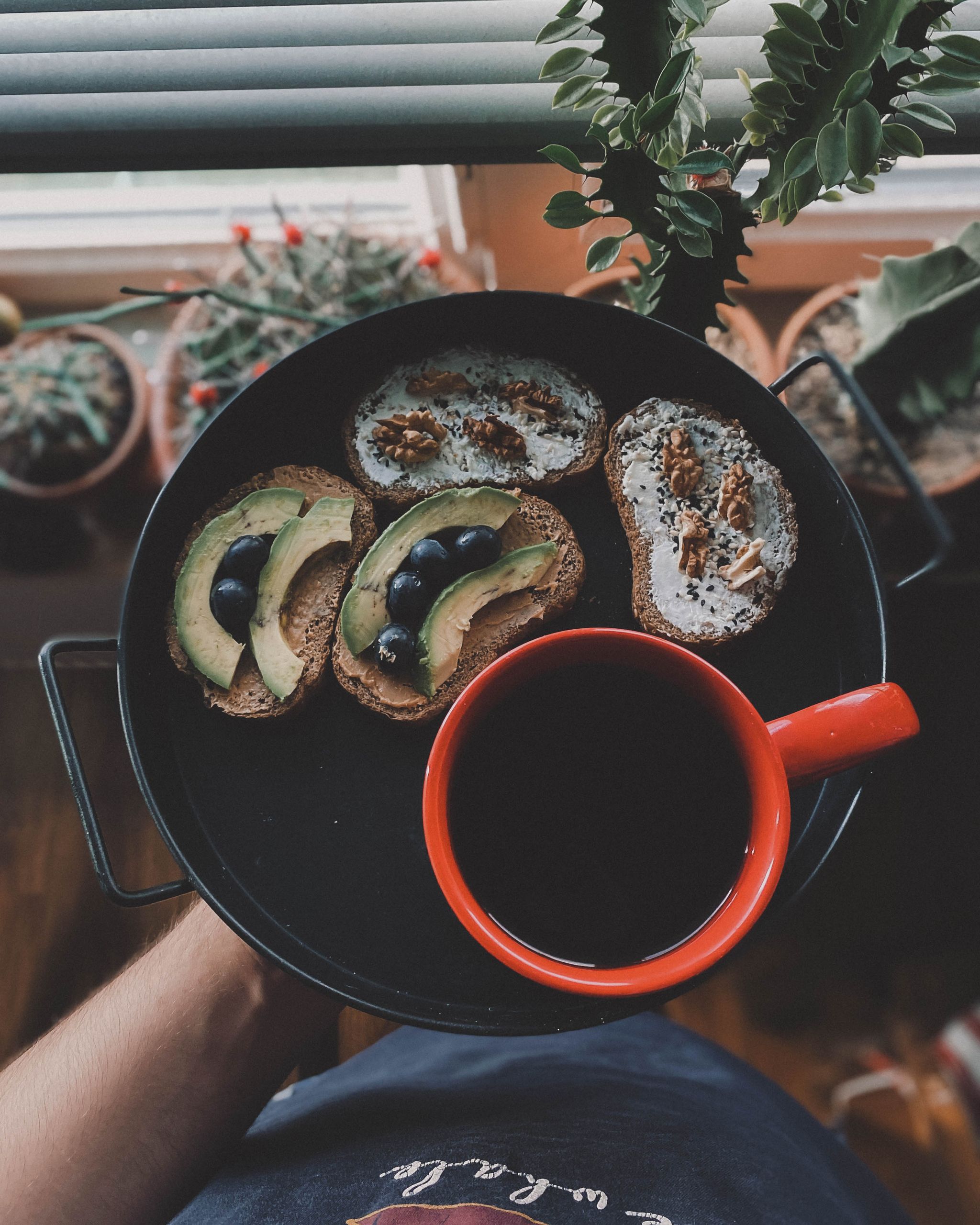
On December 1st, I make a slow pot of cacao with oat milk, a little maple syrup, and a pinch of cinnamon. I sit at my kitchen window and drink the whole mug in one sitting. This marks the start of the season. The dogs know something is different when the cinnamon hits the air. It costs almost nothing and yet it is one of the most loved markers of my year.
The volunteer shift on Christmas Eve morning
I take the early shift at the animal shelter on Christmas Eve morning. The shelter is desperate for hands during the holidays because most volunteers are with family. I show up. I clean kennels. I take dogs on long quiet walks. I leave the building knowing I have done something useful with my morning. HelpGuide notes that volunteering during the holiday season is one of the most reliable interventions against holiday loneliness and depression. I would not call what I have on Christmas Eve loneliness, but the shift fills me up in a way that nothing else does.
The solo Christmas dinner
Christmas dinner is for me. I make something I love — a homemade vegan wellington with mushroom duxelles, roasted brussels sprouts with maple, mashed root vegetables. I set the table for one. I light multiple candles. I put on instrumental music. I eat slowly. I do not bring a book or a screen to the table. The meal takes the time it takes. It is among the most peaceful meals of my year.
The Boxing Day phone call ritual
The day after Christmas I make three phone calls. Three friends scattered across the country who I want to hear. The calls are not scheduled. I just call. We catch up for thirty minutes each. Some years I have all three. Some years I get voicemail and we trade actual long voice memos instead. The point is the deliberate reaching out. These three connections have, over years, become one of the most important friendship-maintenance practices of my whole year.
The New Year’s Eve quiet night
I do not go out for New Year’s Eve. I have not in many years. I make a small special dinner, I write in a journal for an hour, and I am in bed by 10:30. I wake up on January 1st well-rested, not hungover, and with a clear head for the year ahead. I cannot tell you how good this feels in your fifties. Try it once.
The Twelfth Night candle blow-out
I let my candles run from December 1st through January 6th, Epiphany or Twelfth Night, depending on which tradition I am drawing from. On the evening of the 6th, I light every candle I have used through the season at the same time and let them burn for an hour while I sit in the kitchen. Then I blow them all out at once, one breath. That ends my season. The decorations come down the next day. This ritual closure matters.
Hosting on My Terms (Or Not)
Sometimes I host. Sometimes I don’t. Both are complete options.
When I host, it is small. Two or three friends, by clear invitation, with a stated start and end time. I make food I actually want to make. I do not pretend my house is fancier than it is. The cats are sometimes on the table. The dogs are present and excited. My friends know what they are getting and they love it.
When I do not host, that is also fine. There are some holiday seasons where my energy is needed for caregiving, for work, for my own rest. I do not feel obligated to host just because I am the single person whose schedule seems most flexible. The fact that I live alone does not mean my time is freely available to anyone else’s holiday vision. Psychology Today’s overview of boundaries is clear that healthy adults are allowed to decline social commitments without explanation. I have come to take this seriously.
Navigating Family Conversations Without Drama
Even when you have built a clear solo holiday plan, family conversations can be tricky. People want to know why you are not coming. People want to invite you out of perceived pity. People want to project their own discomfort about your single life onto your December.
What works for me: I say yes to what I want to say yes to, no to what I do not, and I do not explain at length. “Thanks so much for the invite. I’m doing my own thing this year, but I would love to catch up in January when things slow down.” That is the whole sentence. No defense. No apology. No long story about why my December looks the way it does.
If someone pushes, I repeat the same sentence with slightly different words. Most people stop pushing after one or two repetitions. The few who keep pushing are giving me information about how they handle hearing no in general, and that information is useful for the rest of the year.
I also do not let the conversations contaminate my actual season. If a phone call goes sideways, I let it go. I light a candle. I take a walk with the dogs. I do not let one fifteen-minute conversation determine the tone of the rest of my December. This is harder than it sounds and easier with practice.
The Hard Moments and How I Tend to Them
Even with the most carefully designed solo holiday, some moments are hard. The ad on TV that hits sideways. The walk past the neighbor’s house with their grown kids visiting. The unexpected memory of a parent who is no longer here. I do not pretend these moments don’t happen, and I have learned not to pathologize them.
What I do: I let the feeling come, I name what it is (“I am sad, this is grief, this is the kind of grief that visits in December”), and I do something small and physical. A walk with the dogs. Hands in warm dishwater. A phone call to a friend who knows me. A cup of cacao at the window.
I have also accepted that the hard moments are part of the season, not a sign that I did the season wrong. A genuinely full life includes loss, longing, and complex feelings. December surfaces those. I would rather feel them and tend to them than numb out or perform happiness I do not feel.
Headspace’s overview of holiday traditions and mental health notes that small rituals during the holidays — even very small ones — have meaningful mental health benefits, partly because they create structure and predictability during a season that can feel destabilizing. The traditions I have built are partly that for me. They give the season a spine that holds up even when individual moments are hard.
A Last Note
Last December I lit forty-three candles across the season. I drank cacao at my kitchen window twenty-seven times. I cleaned kennels on Christmas Eve morning and went home with sore arms and a quiet heart. I cooked a wellington that took four hours and I ate it in two. I called three friends on December 26th. I blew out every candle on January 6th in one breath and went to bed at 9:00 PM.
It was a good December. Mine. Not lonely. Not borrowed. Not performed for anyone.
If you are a single person who has been dreading the holidays or who has been getting through them by sheer force of will, I want to offer you the possibility that the season could be different. You can build it. You can build it small. You can build it specific. You can build it around what you actually love instead of what you think you should be doing.
The solo holiday well-designed is one of the best gifts I have given myself in adulthood. I would wish the same for you. Pick one tradition this year. Just one. Start a December candle. Make a specific meal. Take the volunteer shift no one else wants. Build slowly. By next year you will have a season of your own, and the cultural script will have lost a lot of its power.
Sources
- Census Bureau Releases New Estimates on Families and Living Arrangements — U.S. Census Bureau.
- Our Epidemic of Loneliness and Isolation: The U.S. Surgeon General’s Advisory — U.S. Department of Health and Human Services.
- Volunteering and its Surprising Benefits — HelpGuide.org.
- Boundaries — Psychology Today.
- Holiday traditions to connect and reflect with loved ones — Headspace.
Free 10-Minute Forest Bathing Meditation
Subscribe to Peacefully Proven and receive a free guided meditation to restore calm and clarity — delivered straight to your inbox.






Join the conversation and add your thoughts.