
There is a reason the sound of ocean waves can dissolve tension in minutes, or why a cathedral choir can move you to tears without a single word being understood. Sound is not just something you hear. It is a physical force that moves through your body, vibrating cells, shifting brainwave patterns, and activating physiological responses that science is only beginning to fully map. Sound healing takes this fundamental relationship between vibration and biology and transforms it into a deliberate therapeutic practice — one that cultures around the world have used for thousands of years and that modern research is now validating with striking consistency.
From Tibetan singing bowls to tuning forks, from binaural beats played through headphones to the resonant hum of a gong bath, sound healing encompasses a wide range of practices united by a single principle: specific frequencies and vibrations can shift the body from a state of stress into a state of deep relaxation, facilitating measurable changes in heart rate, blood pressure, cortisol levels, brainwave activity, and subjective wellbeing. The evidence is growing rapidly, and what it reveals is that frequency therapy is far more than a pleasant auditory experience. It is a legitimate pathway to reducing stress, easing anxiety, and supporting the body’s innate capacity for healing.
In This Article
- What Is Sound Healing and How Does It Work?
- The Science Behind Frequency Therapy
- How Sound Healing Reduces Stress and Anxiety
- Common Sound Healing Modalities Explained
- Sound, Brainwaves, and the Relaxation Response
- Physical and Emotional Benefits Beyond Relaxation
- Getting Started With Sound Healing at Home
- What to Expect in a Sound Healing Session
- Building a Personal Sound Healing Practice
What Is Sound Healing and How Does It Work?
Sound healing — also called sound therapy, vibrational therapy, or frequency therapy — is the intentional use of sound vibrations to promote physical, emotional, and mental wellbeing. It operates on the understanding that the human body is not a static structure but a dynamic system of vibrating energy. Every organ, tissue, and cell in your body vibrates at specific frequencies, and when those frequencies fall out of their natural patterns due to stress, illness, or environmental factors, disharmony and disease can follow.
The therapeutic use of sound works through several well-documented mechanisms. First, sound vibrations are not merely perceived by the ears — they are felt throughout the entire body. Low-frequency sounds, in particular, create vibrations that penetrate deeply into tissue, stimulating mechanoreceptors and activating the parasympathetic nervous system. This is why you can feel a drum beat in your chest or a bass note in your bones. The body responds to these vibrations physiologically, independent of whether you are consciously listening.
Second, specific sound patterns and frequencies influence brainwave activity through a process called entrainment. Your brain naturally synchronizes its electrical activity to rhythmic external stimuli. When exposed to sounds pulsing at frequencies associated with relaxation (alpha waves at eight to twelve hertz) or deep meditative states (theta waves at four to eight hertz), your brainwave patterns shift accordingly. This is not a metaphorical shift — it is a measurable neurological response that can be observed on an electroencephalogram.
As UCLA Health explains in their overview of sound therapy research, these practices work by engaging the body’s relaxation response, reducing the production of stress hormones, and creating conditions that allow the nervous system to shift from sympathetic dominance (fight-or-flight) to parasympathetic activation (rest-and-repair). The result is a cascade of beneficial physiological changes that extend well beyond the duration of the sound exposure itself.
The Science Behind Frequency Therapy
The scientific investigation of sound healing has accelerated dramatically in recent years, moving from anecdotal reports to controlled clinical studies published in peer-reviewed journals. The findings consistently support what practitioners have long observed: therapeutic sound produces measurable, reproducible changes in biological markers of stress and wellbeing.
A comprehensive systematic review published in PLoS ONE examined the accumulated evidence for singing bowl therapy and its effects on physiological and psychological outcomes. The review found significant reductions in systolic blood pressure, heart rate, and respiratory rate following singing bowl interventions, along with improvements in mood, tension, and anxiety scores. These effects were observed across diverse populations, including healthy adults, hospital patients, and individuals with chronic stress conditions.
The mechanisms behind these effects are becoming increasingly well understood. Sound vibrations activate the vagus nerve — the primary communication pathway between the brain and the body’s major organ systems — which triggers a cascade of calming physiological responses. Heart rate slows, blood pressure decreases, digestion improves, and the stress hormone cortisol drops. Simultaneously, the production of endorphins, dopamine, and serotonin increases, creating a natural biochemical environment that supports healing and emotional balance.
Research published in the journal Complementary Therapies in Clinical Practice investigated the effects of sound therapy on anxiety, stress biomarkers, and overall wellbeing, finding that participants who received sound therapy sessions showed significant reductions in both subjective anxiety ratings and objective stress markers compared to control groups. The improvements were not limited to the immediate post-session period but persisted for days following the intervention, suggesting that sound therapy creates lasting shifts in nervous system regulation rather than merely temporary relief.
What makes these findings particularly compelling is their consistency across different types of sound therapy. Whether the intervention involved singing bowls, tuning forks, gong baths, or electronically generated frequencies, the direction of the effects was remarkably similar: reduced stress markers, lower anxiety, improved mood, and enhanced physiological indicators of relaxation. This suggests that the therapeutic mechanism is rooted in fundamental properties of how the human body responds to vibration rather than in any single instrument or technique.
How Sound Healing Reduces Stress and Anxiety
Chronic stress is not merely an unpleasant emotional state. It is a physiological condition characterized by persistent elevation of cortisol and adrenaline, sustained sympathetic nervous system activation, disrupted sleep architecture, impaired immune function, and progressive wear on cardiovascular, digestive, and neurological systems. The body was designed to handle acute stress — brief, intense challenges followed by recovery. What it was never designed to sustain is the relentless, low-grade stress activation that characterizes modern life.
Sound healing addresses stress at the neurological level, where it originates. As Psychology Today reports in their analysis of current sound therapy research, therapeutic sound and specific frequencies have been shown to reduce cortisol levels, lower sympathetic nervous system activity, and activate the parasympathetic relaxation response with a speed and reliability that rivals pharmaceutical interventions for many people.
The mechanism is both elegant and powerful. When you are trapped in a stress cycle, your nervous system becomes locked in a pattern of hypervigilance. Your brain is constantly scanning for threats, your muscles remain tense, your breathing stays shallow, and your heart rate stays elevated. Sound healing breaks this cycle by providing a rhythmic, predictable sensory input that your nervous system interprets as safe. The repetitive, harmonious vibrations signal to the brain that the environment is stable and non-threatening, which allows the stress response to gradually stand down.
This process is further enhanced by the entrainment effect on brainwaves. Anxiety is associated with excessive beta brainwave activity — the fast, alert, sometimes frantic electrical patterns associated with analytical thinking and worry. Sound therapy shifts brainwave activity toward alpha and theta frequencies, which are associated with calm alertness, creative insight, and deep relaxation respectively. This neurological shift does not just feel different — it changes the biochemical environment of the brain, reducing the production of stress-related neurotransmitters and increasing the production of calming ones.
For people with anxiety disorders, sound healing offers a particularly accessible entry point. Unlike meditation, which requires sustained mental effort that can feel impossible when anxiety is high, sound therapy asks nothing of the participant except to be present. The sounds do the work of shifting the nervous system, making it an ideal practice for those who struggle with traditional stillness-based approaches to relaxation.
Common Sound Healing Modalities Explained
The world of sound healing encompasses a rich variety of instruments and techniques, each with distinct characteristics and therapeutic properties. Understanding the differences can help you find the modality that resonates most deeply with your body and your needs.
Tibetan and Crystal Singing Bowls
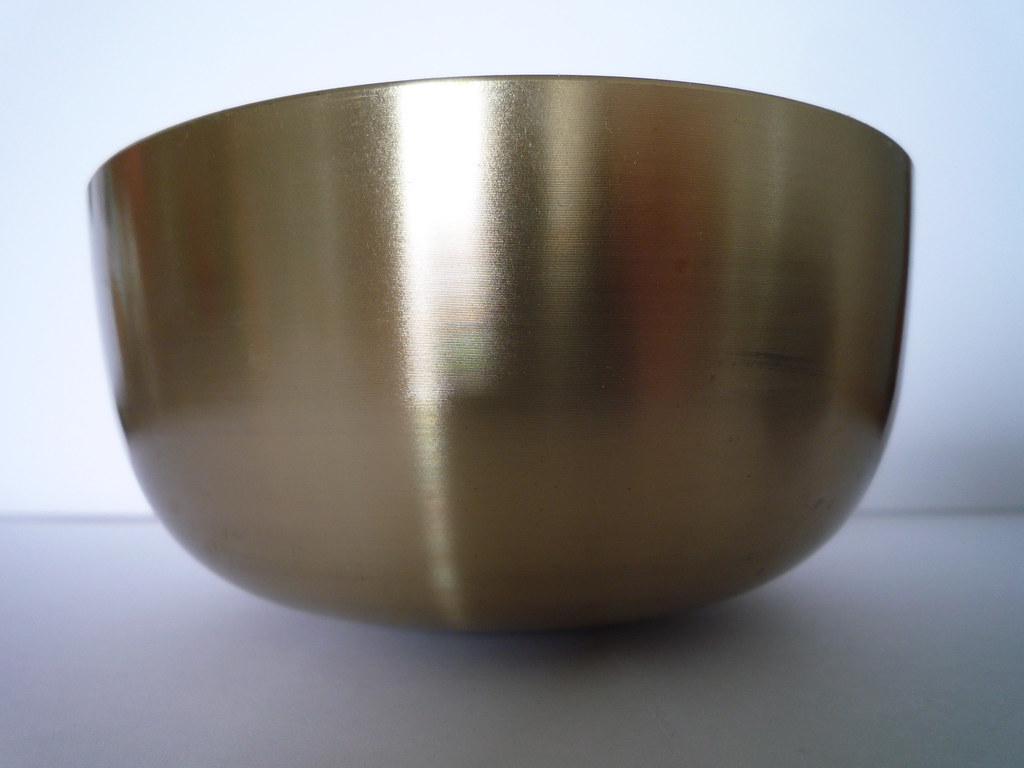
Singing bowls are perhaps the most recognized instruments in sound healing. Tibetan singing bowls, traditionally made from a blend of metals, produce rich, layered overtones when struck or circled with a mallet. Crystal singing bowls, made from crushed quartz, produce a purer, more penetrating tone. Both types generate vibrations that participants can feel physically in their bodies, particularly when bowls are placed on or near the body during treatment. The sustained resonance of singing bowls creates a sonic environment that facilitates deep relaxation and brainwave entrainment.
Tuning Forks
Tuning forks produce precise, single frequencies and are often used in more targeted applications. Practitioners may place vibrating tuning forks on specific acupuncture points, chakra locations, or areas of tension in the body, delivering focused vibrational input to particular areas. The precision of tuning forks makes them well-suited for practitioners who work with specific frequency protocols, and their portability makes them accessible for personal use.
Gong Baths
Gong baths involve sustained playing of large gongs that produce an immersive, full-spectrum sound experience. The gong generates an extraordinarily wide range of frequencies simultaneously, creating a wall of sound that envelops the listener and leaves virtually no mental space for anxious thought. Many participants describe gong baths as the most profoundly relaxing sound healing experience, and the intensity of the vibrations can produce deep meditative states even in people with no meditation experience.
Binaural Beats
Binaural beats are a technology-based form of sound healing that works by playing two slightly different frequencies in each ear through headphones. The brain perceives a third frequency — the difference between the two — and entrains its brainwave activity to that perceived beat. For example, playing 200 hertz in one ear and 210 hertz in the other creates a perceived 10 hertz binaural beat in the alpha range, associated with relaxed alertness. This technology allows precise targeting of specific brainwave states and can be practiced independently at home with nothing more than headphones and an audio file.
Voice and Chanting
The human voice is itself a powerful sound healing instrument. Practices such as overtone chanting, mantra repetition, and vocal toning use the vibrations of your own voice to create internal resonance throughout the body. The act of producing sustained vocal tones simultaneously engages the respiratory system (through controlled breathing), the vagus nerve (through throat vibration), and the brain (through the auditory feedback loop), creating a multi-system relaxation response that is uniquely powerful because it originates from within.
Sound, Brainwaves, and the Relaxation Response
Understanding brainwave states provides a framework for appreciating how sound healing produces such consistent neurological effects. Your brain operates in several distinct frequency bands, each associated with different states of consciousness and physiological functioning.
Beta waves (thirteen to thirty hertz) dominate during active thinking, problem-solving, and daily task management. While essential for functioning, excessive beta activity is associated with anxiety, overthinking, and stress. Alpha waves (eight to twelve hertz) emerge during calm, relaxed wakefulness — the state you experience during gentle daydreaming or the moments just before sleep. Theta waves (four to eight hertz) are associated with deep meditation, creative insight, and the hypnagogic state between waking and sleeping. Delta waves (one to four hertz) are the slowest brainwave frequencies, associated with deep, restorative sleep and profound unconscious processing.
Sound healing works by using rhythmic auditory stimulation to shift brainwave activity from stress-associated patterns (high beta) toward relaxation and healing states (alpha and theta). A recent study examining the neurological effects of sound-based interventions on stress and mental health found that participants showed significant increases in alpha and theta brainwave activity during and after sound therapy sessions, accompanied by corresponding decreases in cortisol, improvements in heart rate variability (a key indicator of nervous system flexibility), and reductions in self-reported stress and anxiety.
This brainwave shift is not something that requires effort or skill from the participant. Entrainment is an automatic neurological response — your brain naturally synchronizes to rhythmic external stimuli. This is why sound healing is accessible to people who find traditional meditation challenging. You do not need to quiet your mind or achieve a particular mental state. The sound frequencies guide your brain into relaxation organically, bypassing the analytical mind that so often interferes with conscious relaxation efforts.
Key Benefits of Sound Healing
- Reduces cortisol levels — measurable decreases in the body’s primary stress hormone
- Lowers blood pressure and heart rate — activates parasympathetic nervous system
- Shifts brainwave patterns — moves brain from stress-state beta toward relaxed alpha and theta
- Improves sleep quality — supports natural melatonin production and sleep onset
- Decreases anxiety symptoms — calms the nervous system without requiring mental effort
- Enhances mood and emotional regulation — increases endorphin and serotonin activity
- Reduces physical pain perception — modulates pain signaling through nervous system relaxation
- Supports immune function — stress reduction allows immune system to operate optimally
Physical and Emotional Benefits Beyond Relaxation
While stress and anxiety reduction are the most well-documented benefits of sound healing, the practice influences physical and emotional health through multiple pathways that extend far beyond simple relaxation.
Pain Management
Chronic pain and chronic stress share overlapping neurological pathways, and interventions that address one frequently benefit the other. Sound healing has shown promise in pain management through several mechanisms: it reduces the muscle tension that contributes to many pain conditions, it modulates the nervous system’s pain-processing circuits, and it shifts attention away from pain signals through sensory engagement. Many participants in sound healing sessions report significant reductions in pain intensity and improved ability to manage chronic pain conditions.
Sleep Improvement
Sound healing practiced in the evening hours can significantly improve sleep onset, sleep quality, and sleep duration. The shift from beta to alpha and theta brainwave activity creates a natural bridge to the delta-dominant state of deep sleep. Additionally, the reduction in cortisol and the activation of the parasympathetic nervous system create the physiological conditions necessary for healthy sleep architecture. Regular sound healing practice has been associated with reduced insomnia symptoms and improved subjective sleep quality in multiple studies.
Emotional Processing and Release
Sound healing sessions frequently facilitate emotional processing that participants describe as deeply cathartic. The combination of deep relaxation and heightened internal awareness created by certain sound frequencies allows suppressed emotions to surface safely, processing and integrating experiences that may have been stored as tension in the body. It is not uncommon for participants to experience tears, laughter, or profound feelings of release during sound therapy sessions — responses that practitioners view as healthy indicators of emotional clearing.
Cognitive Function and Creativity
The alpha and theta brainwave states promoted by sound healing are associated with enhanced creativity, improved problem-solving ability, and better cognitive flexibility. Regular practitioners often report that sound healing sessions leave them feeling mentally clear and creatively inspired, with improved ability to see situations from new perspectives and find solutions to problems that felt intractable during stress-dominated thinking.
Immune System Support
Chronic stress suppresses immune function through sustained cortisol elevation and sympathetic nervous system dominance. By reliably reducing these stress markers, sound healing indirectly supports immune function. Research has shown that relaxation practices that lower cortisol and activate parasympathetic tone are associated with improved immune cell activity, reduced inflammation, and better resistance to infection. While sound healing is not a treatment for immune-related diseases, its stress-reducing effects create conditions that allow the immune system to function more effectively.
Getting Started With Sound Healing at Home
One of the most appealing aspects of sound healing is its accessibility. While professional sessions offer a powerful, immersive experience, many forms of sound therapy can be practiced at home with minimal equipment, making it an ideal self-care practice for daily stress management.
Beginner’s Home Sound Healing Toolkit
Option 1: Binaural Beats (No Equipment Needed)
- Download a binaural beats app or find sessions on YouTube
- Use headphones (required for binaural beats to work properly)
- Start with alpha-range sessions (eight to twelve hertz) for calm relaxation
- Try theta-range sessions (four to eight hertz) for deeper meditation
- Begin with ten to fifteen minute sessions and gradually extend
Option 2: Singing Bowl Practice
- A single small singing bowl (crystal or metal) is sufficient to begin
- Strike or circle the rim gently and focus on the sustained tone
- Place the bowl on your chest or abdomen to feel the vibrations directly
- Practice for five to ten minutes, allowing the resonance to settle your nervous system
Option 3: Vocal Toning
- No equipment required — just your voice
- Sit comfortably and exhale a sustained “Om” or “Ahhh” sound
- Feel the vibration in your chest, throat, and head
- Repeat for five to ten minutes, letting each tone be a full, relaxed exhalation
- Experiment with different vowel sounds and notice where each vibrates in your body
Creating Your Sound Healing Environment
The environment in which you practice sound healing influences its effectiveness. Choose a quiet space where you will not be interrupted. Dim the lighting or use candles to create a calming atmosphere. Lie down on a comfortable surface — a yoga mat with blankets and pillows works well — and close your eyes. Warmth matters because your body temperature drops during deep relaxation, so keep a blanket nearby. Set an intention for your session, whether that is stress relief, better sleep, emotional processing, or simply allowing your nervous system to rest.
Timing Your Practice
Sound healing can be practiced at any time, but certain times offer particular advantages. Morning sessions can set a calm, centered tone for the day. Afternoon sessions (particularly during the natural energy dip between two and four in the afternoon) can restore focus and reduce accumulated stress. Evening sessions, practiced thirty to sixty minutes before bed, can dramatically improve sleep onset and quality. Start with three sessions per week and adjust based on how your body responds. Many people find that daily practice, even for just ten to fifteen minutes, produces the most consistent benefits.
What to Expect in a Sound Healing Session
If you choose to attend a professional sound healing session, knowing what to expect can help you relax into the experience fully. Professional sessions vary in format and instrumentation, but they share certain common elements.
Most sessions begin with a brief grounding or relaxation exercise — a few minutes of guided breathing or body awareness to help you transition from the activity of your day into a receptive state. You will typically lie on a mat or recline in a comfortable position. The practitioner may place instruments near or on your body, or they may be positioned around the room to create an enveloping soundscape.
As the sound begins, you may notice physical sensations — tingling, warmth, a feeling of vibration in your chest or limbs. You may experience waves of relaxation moving through your body, or you may notice emotions arising unexpectedly. All of these responses are normal. There is no correct way to experience a sound healing session. Some people fall into a deep, sleep-like state. Others remain conscious but profoundly relaxed. Some experience vivid mental imagery or emotional release.
Sessions typically last between forty-five minutes and ninety minutes, with a gradual reduction in sound intensity toward the end followed by several minutes of silence for integration. Many practitioners recommend drinking plenty of water afterward and allowing time for quiet reflection before returning to daily activities. The effects of a session may continue to unfold for hours or even days, with many participants reporting improved sleep, reduced anxiety, and enhanced emotional clarity in the days following a session.
Building a Personal Sound Healing Practice
Like any wellness practice, the benefits of sound healing deepen with consistency. Building a personal practice that fits naturally into your life ensures that you receive the cumulative neurological and physiological benefits that regular exposure to therapeutic sound provides.
Week One: Exploration
Spend the first week sampling different modalities. Try a binaural beats session one day, a singing bowl meditation the next, and a vocal toning practice the following day. Notice which approach feels most natural and produces the deepest sense of relaxation in your body. There is no universally superior modality — the best practice is the one that resonates with you personally and that you will actually do consistently.
Week Two: Establish a Routine
Choose your preferred modality and commit to a regular schedule — ideally three to five sessions per week at a consistent time. Even ten minutes is sufficient to produce measurable neurological benefits. Set up your space in advance so that beginning your practice requires minimal effort. The easier you make it to start, the more likely you are to maintain the habit.
Week Three: Deepen the Practice
Begin extending your sessions gradually — add five minutes per week until you reach a duration that feels optimal (most people find twenty to thirty minutes ideal for daily practice). Start paying attention to the subtle effects of your practice on sleep quality, anxiety levels, emotional regulation, and overall sense of wellbeing. You may want to keep a brief journal noting any changes you observe.
Week Four: Integration
By the fourth week, sound healing should feel like a natural part of your routine rather than an additional task. Begin exploring ways to integrate therapeutic sound into other parts of your day — playing specific frequencies in the background while working, using binaural beats during commutes, or incorporating a brief vocal toning practice into your morning routine. The goal is not to add complexity but to weave the benefits of sound healing seamlessly into the fabric of your daily life.
The Free Subscriber’s Library Is Open
Join Peacefully Proven for a growing collection of free wellness tools, guides, and printables, plus a guided forest bathing meditation to begin. All yours, always free.
Sound healing is not a new discovery. It is an ancient understanding that is finally receiving the scientific attention it deserves. Every culture in human history has recognized the power of sound to heal, soothe, and transform — from the drumming ceremonies of indigenous traditions to the chanting practices of monastic communities to the lullabies that have calmed distressed infants for millennia. What modern research adds to this ancestral knowledge is precision: we now understand the specific neurological and physiological mechanisms through which sound produces its effects, and we can use that understanding to optimize our practice.
The beauty of sound healing lies in its simplicity. It requires no special talent, no physical fitness, no prior experience with meditation or mindfulness. It asks only that you create space to receive vibrations that your body already knows how to interpret. Whether you begin with a five-minute binaural beats session before bed or attend a full-length gong bath ceremony, you are engaging with a therapeutic modality that has the power to reshape your relationship with stress, anxiety, and your own nervous system.
Start where you are. Choose one modality that intrigues you. Give yourself ten minutes of uninterrupted time, and let the sound do what it has always done — carry you back to a state of balance that was waiting for you all along.
Sources
- Psychology Today — Research Reveals Sound and Frequency Reduce Stress
- UCLA Health — What Is Sound Therapy and Could It Benefit Your Health?
- PMC — Neurological Effects of Sound-Based Interventions on Stress and Mental Health
- PLoS ONE — Singing Bowl Therapy: Effects on Physiological and Psychological Outcomes
- Complementary Therapies in Clinical Practice — Sound Therapy Effects on Anxiety and Stress Biomarkers







Join the conversation and add your thoughts.