
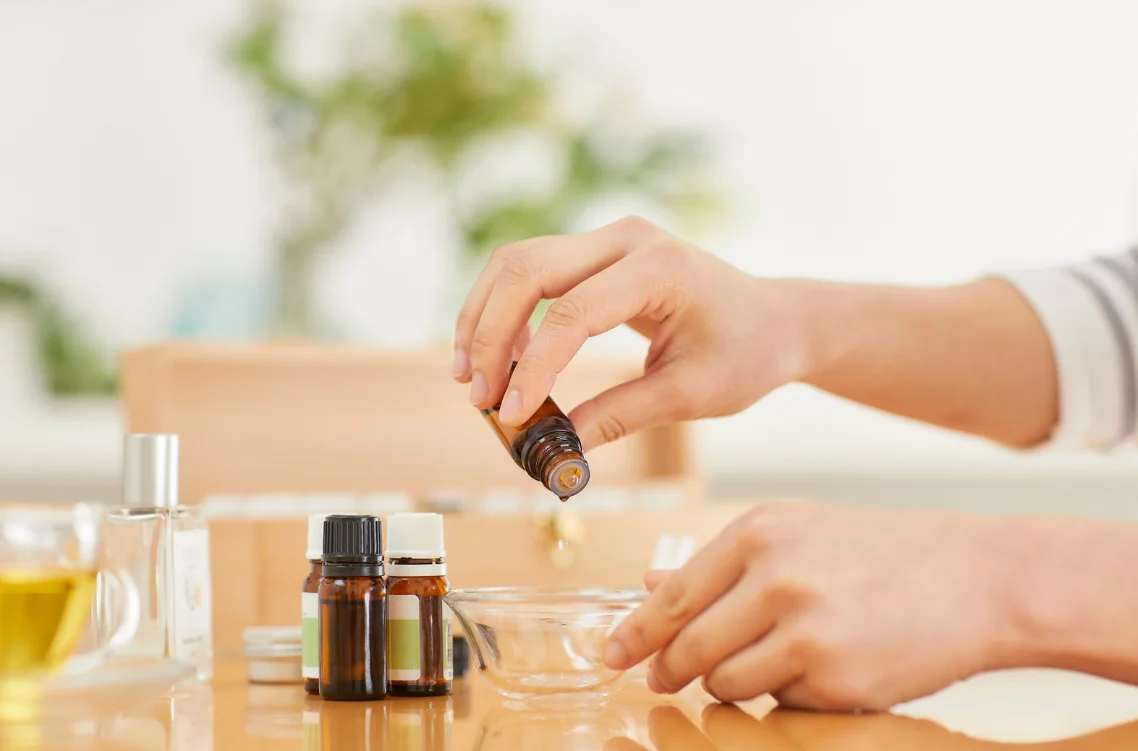
I did not set out to overhaul my home all at once. The non-toxic swaps I made happened gradually, one product running out and getting replaced with a cleaner version, until one day I looked around and realized my house was a far less chemical-laden place than it used to be. The everyday products we bring into our homes, cleaners, air fresheners, plastics, can add a quiet, cumulative load, and reducing it felt worth doing.
Two things shaped my choices: I am vegan, so I look for cruelty-free and plant-based options, and I share my home with cats and dogs, who are far more sensitive to many chemicals than we are. These are the eight swaps I made, with pet safety front of mind throughout.
In This Article
Key Takeaways
- Everyday products add a quiet, cumulative chemical load to a home.
- You can reduce it gradually, one replacement at a time.
- Pets are more sensitive than people, so pet safety should guide your choices.
- Some natural products, including certain essential oils, are still unsafe for cats.
- Simpler ingredients and good ventilation go a long way.
1. Simpler, Safer Cleaners
I swapped harsh chemical cleaners for simpler ones, often just vinegar, baking soda, and plant-based soap, plus a few well-chosen non-toxic brands. They clean beautifully for everyday messes and leave behind far less residue on the floors and surfaces my animals walk on and lie against. With pets who groom themselves, what is on the floor ends up inside them, so this swap mattered most to me.
2. Ditching Synthetic Air Fresheners
Plug-in and aerosol air fresheners were some of the first things to go. Synthetic fragrance is a common indoor air irritant, and many are not safe around pets. Instead I open windows, simmer herbs and citrus on the stove, and use essential oils only with great care, in well-ventilated rooms my cats can leave, since many oils are toxic to them. A truly fresh home smells like fresh air, not chemicals.
3. Glass and Stainless Over Plastic
I have slowly moved from plastic to glass and stainless steel for food storage and water, replacing pieces as they wear out. Beyond the waste benefit, it means fewer plastics leaching into my food and water over time. Glass does not stain or hold odors, and it survives a curious cat knocking it about better than I expected. A cleaner, sturdier choice all around.
4. Cleaner, Vegan Personal Care
My personal care got the same treatment: cleaner, cruelty-free, vegan products without the long list of questionable ingredients. Whatever I put on my skin is along for the ride, so I choose thoughtfully formulated brands I trust. As a bonus, simpler personal care often means less packaging and fewer synthetic fragrances drifting through the house.
5. Low-VOC Choices
When I paint, furnish, or refresh a space, I look for low-VOC options. Volatile organic compounds off-gas from many paints, finishes, and new furnishings, contributing to poor indoor air for longer than most people realize. Choosing low-VOC, and airing out anything new before it settles into a room, keeps that invisible load down for me and the animals alike.
6. Filtering My Water
A good water filter was a simple, high-value swap. Filtering my drinking and cooking water reduces common contaminants and, paired with a reusable bottle, cuts plastic too. Clean water is one of those foundational things worth getting right, and my pets drink filtered water as well, because they deserve the same care I give myself.
7. Houseplants for the Air
I keep houseplants partly because I love them and partly because greenery makes a home feel alive and calm. They are not a substitute for ventilation, but they add a little life to the air and a lot to the mood. One important caution for fellow pet owners: many common houseplants are toxic to cats and dogs, so I choose pet-safe varieties and keep any questionable ones well out of reach.
8. Reading Labels and Avoiding Offenders
The habit that ties it all together is simply reading labels and learning which ingredients to skip. I do not chase perfection or panic over every word I cannot pronounce. I just steer away from the known offenders, choose simpler formulas when I can, and replace things gradually. Over time, those small, informed choices added up to a home that feels genuinely cleaner, for me and for the animals who never get a say in what I bring through the door.
Sources
- Introduction to Indoor Air Quality, U.S. Environmental Protection Agency.
- Indoor Air Quality, American Lung Association.
- Sustainable Materials Management Basics, U.S. Environmental Protection Agency.
The Free Subscriber’s Library Is Open
Join Peacefully Proven for a growing collection of free wellness tools, guides, and printables, plus a guided forest bathing meditation to begin. All yours, always free.






Join the conversation and add your thoughts.