
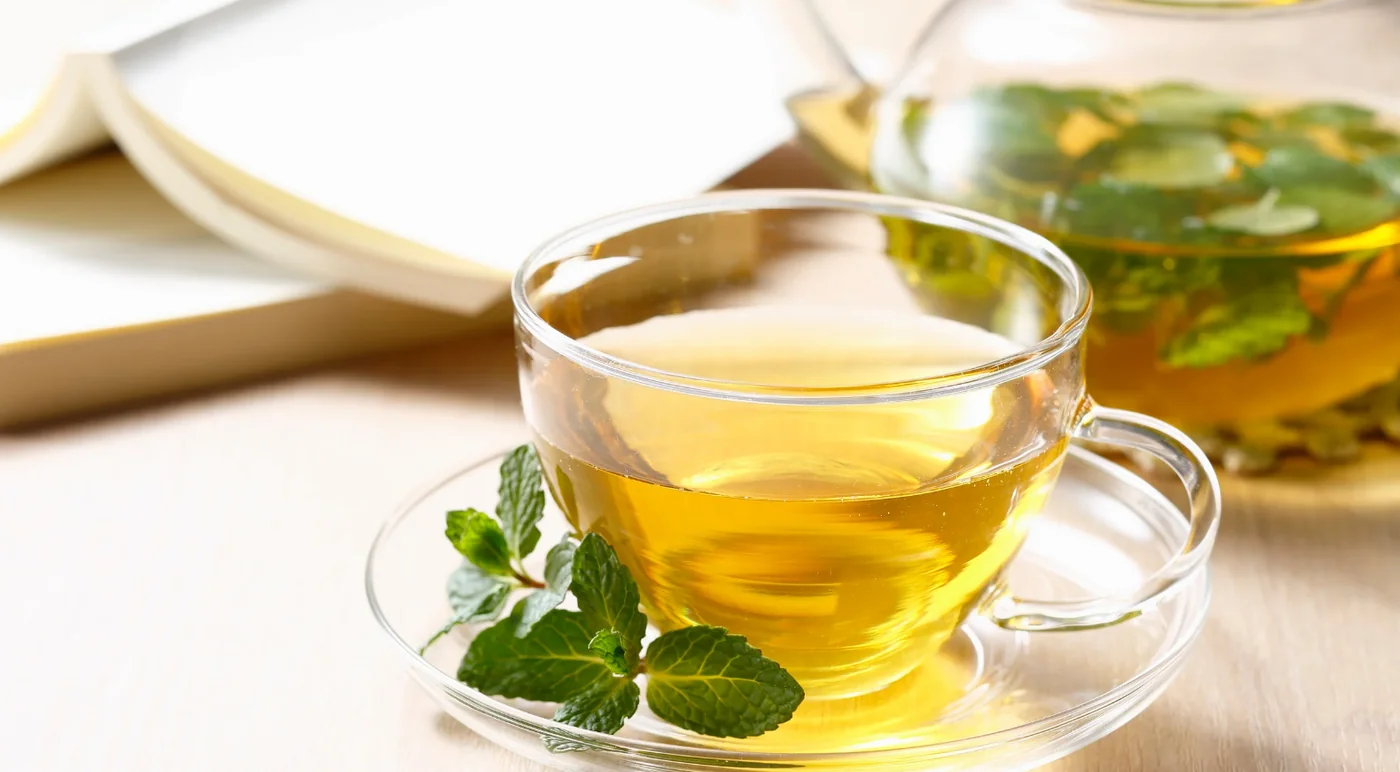
The After-Dinner Cup That Changed Everything
Digestive discomfort used to be my constant companion. Bloating after meals, that heavy feeling that made me want to just lie on the couch, occasional heartburn that would flare up at the worst times. I tried eliminating foods, I tried eating slower, I tried all the things. And while those habits helped, the game-changer was adding a simple cup of digestive tea after my bigger meals.
This Happy Belly Blend combines five of the most time-tested digestive herbs in the world. Every culture has its version of an after-dinner digestive tea, and this blend draws from those traditions to create something that works remarkably well. It’s become such a staple in my house that my family asks for it by name after dinner.
Why These Digestive Herbs Are a Perfect Team
Peppermint is one of the most well-researched herbs for digestive comfort. It relaxes the smooth muscles of the digestive tract, which can help relieve bloating, gas, and that uncomfortable “too full” feeling. The menthol in peppermint also has a naturally cooling, soothing effect on the stomach lining. If you’ve ever reached for a peppermint after a big meal, you already know this instinctively.
Ginger root has been used for thousands of years across Asian, Indian, and Middle Eastern medicine to support digestion. It stimulates the production of digestive enzymes, helps food move through your system more efficiently, and can calm nausea. Fresh or dried, ginger is one of the most reliable digestive allies you’ll find in nature.
Fennel seeds are the secret weapon in this blend. In India, it’s common to chew fennel seeds after meals, and there’s solid science behind the tradition. Fennel helps relax the smooth muscles of the digestive tract, reducing gas and bloating. It has a gentle, slightly sweet anise flavor that adds warmth and complexity to the tea.
Chamomile adds gentle anti-inflammatory and antispasmodic properties to this blend. It helps calm an irritated stomach lining and reduces the cramping that can come with digestive upset. Its mild, soothing nature balances the more stimulating herbs in this blend.
Licorice root is the finishing touch that ties everything together. It coats and soothes the stomach lining, supports healthy mucus production in the digestive tract, and adds a natural sweetness that means you probably won’t need any added sweetener. A little goes a long way: too much licorice root can raise blood pressure in some people, so I keep the amount modest.
Happy Belly Blend Recipe
Makes approximately 25-30 cups
Ingredients
- 5 tablespoons dried peppermint leaves
- 3 tablespoons dried ginger root (cut pieces)
- 3 tablespoons whole fennel seeds
- 4 tablespoons dried chamomile flowers
- 2 tablespoons dried licorice root (cut and sifted)
Instructions
- Lightly crush the fennel seeds with a mortar and pestle or by pressing them with the back of a spoon. You want them cracked open but not ground to powder. This helps them release their oils during steeping.
- Combine all ingredients in a large bowl and mix well.
- Transfer to a clean, airtight glass jar.
- Label with the blend name and date.
- Shake before each use to redistribute the heavier seeds and root pieces.
Brewing Instructions
- Amount: 1.5 to 2 teaspoons of blend per 8 oz cup
- Water temperature: 200°F (just below boiling)
- Steep time: 5 to 8 minutes, covered
- Sweetener (optional): The licorice root adds natural sweetness, so taste before adding anything. If you’d like more, a small drizzle of honey works nicely.
When to Reach for This Tea
This is an after-meal tea through and through. I usually brew a cup about 15 to 20 minutes after dinner, which is when bloating and digestive discomfort tend to set in for me. But it works beautifully after any meal: lunch, a big brunch, even a heavy snack.
If you’re dealing with occasional nausea (not related to a medical condition), this tea can also be soothing sipped slowly throughout the episode. The ginger and peppermint combination is particularly effective for settling an upset stomach.
This blend pairs well with… honestly, everything. That’s the beauty of a digestive tea, it’s designed to complement whatever you’ve just eaten.
A Note About Licorice Root
While licorice root is wonderful for digestion in moderate amounts, it’s worth knowing that consuming large quantities over extended periods can raise blood pressure and lower potassium levels. The amount in this blend is modest and safe for most people when consumed as directed (one to two cups a day). However, if you have high blood pressure or are on medications that affect potassium, you may want to reduce the licorice root to one tablespoon or leave it out entirely and add a bit of extra chamomile instead.
Storage Tips
Keep your Happy Belly Blend in an airtight glass jar in a cool, dry place. The fennel seeds in this blend retain their oils well, so you’ll notice a pleasant anise aroma every time you open the jar. Stored properly, this blend stays fresh for three to six months. The fennel seeds are the longest-lasting ingredient here, while the chamomile flowers will lose their potency first, when the chamomile starts looking dusty and flat instead of fluffy and golden, it’s time for a new batch.
Making It a Family Tradition
One of my favorite things about this tea is that it’s gentle enough for the whole family (older kids and up, I’d check with your pediatrician for younger children). There’s something really lovely about sharing a pot of digestive tea after a family dinner. It extends the meal, encourages everyone to slow down, and takes care of everyone’s bellies at the same time. It’s become one of those small rituals that makes our evenings feel a little more intentional.







Join the conversation and add your thoughts.