


Moving Shouldn’t Hurt
I remember the first morning I woke up and my knees were stiff. Not from an injury or a hard workout — just from sleeping. It was a humbling moment. Joint stiffness and inflammation are something so many of us deal with, whether from age, activity, autoimmune conditions, or just the wear and tear of everyday life. And while this tea isn’t a substitute for medical care, it’s become a meaningful part of how I support my body’s comfort and mobility every day.
This Comfort and Ease Blend brings together some of the most well-researched anti-inflammatory herbs and spices available. Many of these ingredients have been used in traditional medicine systems for thousands of years specifically to ease joint discomfort and reduce inflammation. The best part? They also happen to taste warm, spicy, and wonderful together.
The Anti-Inflammatory Power of Each Ingredient
Turmeric root is the superstar of natural anti-inflammatory support. The active compound curcumin has been studied extensively and shown to inhibit several key molecules that play a role in inflammation. In some studies, curcumin has performed comparably to certain anti-inflammatory medications, but without the side effects. Dried turmeric root pieces brew into a beautiful golden tea and have a warm, slightly bitter, earthy flavor.
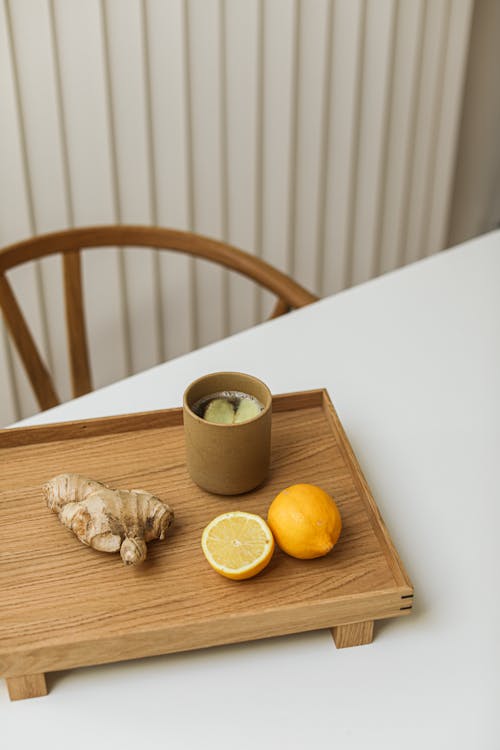
Ginger root contains compounds called gingerols and shogaols that have potent anti-inflammatory and analgesic (pain-relieving) properties. Ginger has been used in Traditional Chinese Medicine and Ayurveda for joint pain for centuries. It also supports circulation, which helps deliver nutrients to joint tissues and carry away inflammatory waste products. The spicy warmth of ginger makes this tea deeply satisfying.
Black pepper is in this blend for a very specific scientific reason: piperine, the compound that gives black pepper its bite, increases the absorption of curcumin from turmeric by up to 2,000 percent. Without black pepper, most of the curcumin passes through your body without being absorbed. Just a small amount of cracked black pepper dramatically increases the effectiveness of the turmeric in this blend.
Cinnamon bark is another well-studied anti-inflammatory spice. It contains cinnamaldehyde and other compounds that help reduce inflammatory markers in the body. Cinnamon also supports healthy blood sugar levels, which is relevant because blood sugar imbalances can worsen inflammation. It adds a familiar, cozy sweetness that makes this tea feel like a warm embrace.
Green rooibos is the unfermented version of the popular South African red rooibos tea. It contains higher levels of antioxidants than its red counterpart, including aspalathin, which has demonstrated anti-inflammatory properties in studies. It’s caffeine-free, so you can drink this tea any time of day. Green rooibos has a lighter, more grassy flavor than red rooibos and serves as a smooth, neutral base for the stronger spices in this blend.
Comfort and Ease Blend Recipe
Makes approximately 25-30 cups
Ingredients
- 4 tablespoons dried turmeric root pieces (cut and sifted, not powdered)
- 3 tablespoons dried ginger root (cut pieces)
- 1 teaspoon whole black peppercorns (lightly cracked)
- 2 tablespoons cinnamon bark chips
- 5 tablespoons green rooibos
Instructions
- Lightly crack the black peppercorns using a mortar and pestle or by pressing with the flat side of a heavy knife. You want them cracked, not ground to powder.
- Combine all ingredients in a large bowl. Mix very thoroughly — the peppercorns are small and easy to miss if they cluster together.
- Transfer to a clean, airtight glass jar.
- Label with the blend name and date.
- Shake well before each use. The heavier root pieces and peppercorns will settle to the bottom.
Brewing Instructions
- Amount: 2 teaspoons of blend per 8 oz cup
- Water temperature: 212°F (full boiling — the tough root pieces and bark need maximum heat)
- Steep time: 10 to 15 minutes, covered (the longer steep is important here to extract curcumin from the turmeric)
- Sweetener (optional): A drizzle of raw honey and a splash of coconut milk turn this into a golden milk-style tea that’s absolutely heavenly
When and How to Use This Blend
I drink this tea in the morning, usually with or right after breakfast. The fats in food actually help with curcumin absorption (along with the black pepper), so having this tea alongside a meal that contains some healthy fats — avocado toast, nuts, or even coconut milk in the tea itself — maximizes the anti-inflammatory benefits.
On days when my joints are particularly stiff or achy, I’ll have a second cup in the afternoon. Consistency is key with turmeric — the anti-inflammatory effects build over time with regular use. Most studies showing benefits used daily consumption for at least four to six weeks.
This tea is gorgeous served as a “golden milk” — brew it strong, then stir in a tablespoon of coconut milk and a drizzle of honey. The fat in the coconut milk further enhances curcumin absorption, and it tastes incredible.
A Note on Turmeric Staining
Fair warning: turmeric stains everything it touches. Your tea infuser, your mug, your countertop, your fingers — it all turns golden yellow. This is completely normal and doesn’t affect the tea at all. A paste of baking soda and water will clean most turmeric stains from mugs and infusers. For your countertops, wiping with a mixture of baking soda and dish soap usually does the trick. I’ve learned to brew this tea over a dark-colored surface, just in case.
Important Considerations
Turmeric has mild blood-thinning properties, so if you take anticoagulant medications or are scheduled for surgery, talk with your healthcare provider before making this a daily habit. The black pepper in this blend also increases the absorption of certain medications, so check with your pharmacist if you take daily prescriptions.
Storage Tips
Store in an airtight glass jar away from light and heat. The turmeric root pieces will maintain their potency for three to six months when stored properly. You’ll know the blend is fresh when the turmeric still has a strong golden color and the ginger has a noticeable spicy aroma. If the turmeric starts looking dull or brownish, the curcumin content has degraded and it’s time for a fresh batch.






Join the conversation and add your thoughts.