
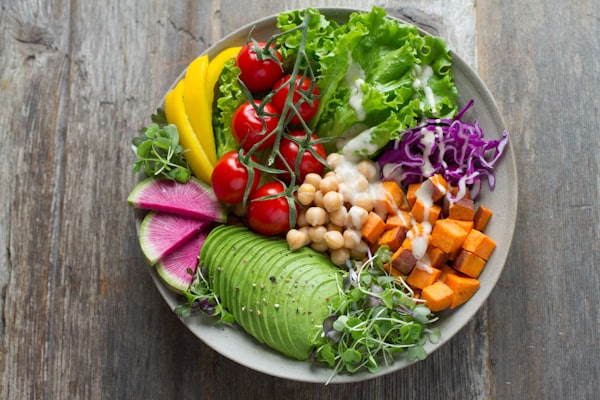
Inflammation is one of those words that gets thrown around a lot, but the underlying idea is simple and real: chronic, low-grade inflammation is linked to a long list of the things we would rather avoid as we age, and what we eat is one of the biggest levers we have over it. In menopause, when joint aches and stiffness showed up uninvited, eating to calm inflammation went from interesting to personal.
I am vegan, so my anti-inflammatory pantry is entirely plant-based, and honestly, that makes it easier, since so many of the most anti-inflammatory foods are plants to begin with. These are the ten I keep stocked at all times. With these on hand, eating in a way that loves my body back is the default, not a project.
In This Article
Key Takeaways
- Chronic low-grade inflammation is tied to many age-related issues, and food is a key lever.
- Most of the strongest anti-inflammatory foods are already plants.
- Color and variety matter, because the protective compounds come from the pigments.
- Keeping these stocked makes the anti-inflammatory choice the easy one.
- Consistency beats any single superfood.
1. Leafy Greens
Spinach, kale, arugula, and chard are anti-inflammatory powerhouses, loaded with antioxidants and the kind of nutrients that fight inflammation at the source. I keep a few kinds on hand and work them into nearly everything: soups, bowls, smoothies. They are about as nutrient-dense as food gets, and easy to eat in quantity.
2. Berries
Berries get their deep colors from anthocyanins, compounds with real anti-inflammatory credentials. I keep frozen berries in the freezer year-round so I always have them for oats, chia pudding, and smoothies. They are sweet, satisfying, and one of the easiest anti-inflammatory wins to build into a day.
3. Turmeric
Turmeric is one of the most studied anti-inflammatory spices, thanks to its active compound curcumin. I add it to soups, curries, and golden lattes, always with a pinch of black pepper, which dramatically improves how well the body absorbs it. A staple in my kitchen and one of the simplest ways to get a daily dose.
4. Ginger
Ginger is turmeric’s natural partner, with its own anti-inflammatory and digestive benefits. Fresh or dried, it brings warmth and brightness to stir-fries, soups, and teas. On an achy day, a pot of something gingery feels almost medicinal, and it keeps for ages, so I always have some on hand.
5. Flax, Chia, and Walnuts
Omega-3 fats are some of the best-known inflammation fighters, and as a vegan I get mine from plants: ground flaxseed, chia seeds, and walnuts. I sprinkle them into oats, smoothies, and salads almost daily. Flax in particular needs to be ground for the body to use it, so I keep it ground and stored in the fridge.
6. Beans and Lentils
Beans and lentils bring fiber, plant protein, and a steadying effect on blood sugar, all of which support a lower-inflammation body. They are the backbone of my meals, cheap, filling, and endlessly versatile. A well-stocked shelf of dried and canned legumes means a nourishing, anti-inflammatory dinner is always within reach.
7. Cruciferous Vegetables
Broccoli, cauliflower, Brussels sprouts, and cabbage contain compounds that support the body’s own anti-inflammatory and detoxification processes. I roast them, add them to bowls, and keep them in regular rotation. They are humble, affordable, and quietly some of the most protective vegetables you can eat.
8. Extra-Virgin Olive Oil
Extra-virgin olive oil is a cornerstone of the Mediterranean way of eating, prized for a compound with anti-inflammatory effects similar in spirit to certain pain relievers. I use it as my everyday finishing oil, drizzled over vegetables and into dressings. Good olive oil is one of the easiest upgrades for both flavor and inflammation.
9. Oats and Whole Grains
Whole grains like oats, quinoa, and brown rice bring soothing fiber that supports a healthy gut and steadier blood sugar, both of which help keep inflammation down. I lean on whole grains over refined ones, and a jar of oats is my reliable anti-inflammatory breakfast. The intact fiber is the whole point.
10. Cacao
A happy surprise: minimally processed cacao is rich in flavanols with antioxidant and anti-inflammatory properties. Since I do not do caffeine in beverages, a little cacao in a recipe or a square of dark chocolate is my treat of choice. It proves that eating to fight inflammation does not have to mean giving up everything you love.
Sources
- Foods that fight inflammation, Harvard Health Publishing.
- The Mediterranean Diet, Harvard T.H. Chan School of Public Health, The Nutrition Source.
- Beneficial Effects of Anti-Inflammatory Diet in Modulating Gut Microbiota and Protecting Against Chronic Disease, Nutrients (PMC).
The Free Subscriber’s Library Is Open
Join Peacefully Proven for a growing collection of free wellness tools, guides, and printables, plus a guided forest bathing meditation to begin. All yours, always free.







Join the conversation and add your thoughts.