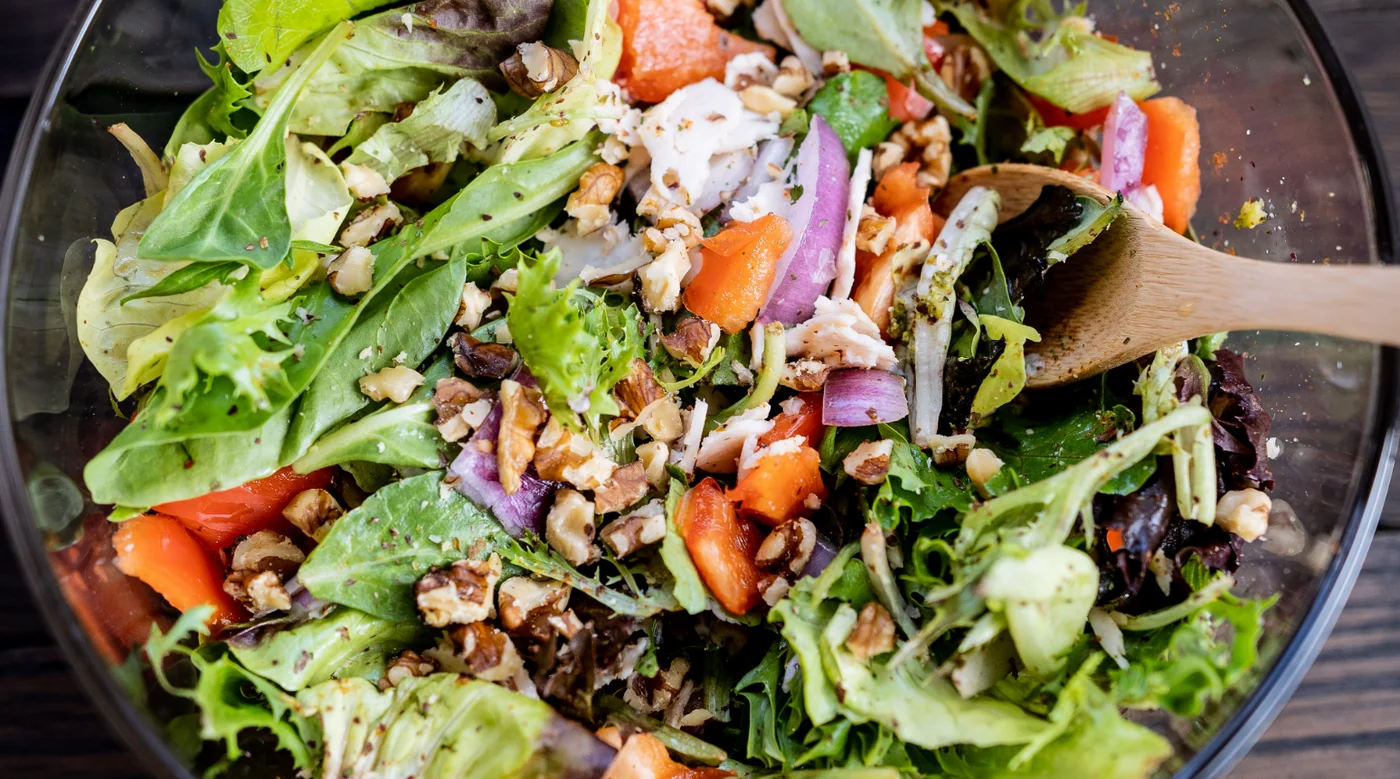
Anti-Inflammatory Meal Prep: A Simple Weekly Approach

I’ve started anti-inflammatory diets several times. The first time was after a bad flare of joint pain in my late thirties. The second was when chronic fatigue took over a stretch of my life. The third was just because I’d read enough to think it might help with the general low-grade inflammation that comes with stress, age, and modern eating.

Each time, I started enthusiastically and ran out of steam by week three. The plans I followed were too elaborate. The ingredient lists were too long. The recipes assumed I had energy for cooking I didn’t have on a Wednesday at 7 PM. By month two, I’d be back to whatever I’d been eating before — sometimes worse, because the rebound from restriction is real.

What finally worked was simpler than any of those attempts. A weekly prep rhythm built around a small set of anti-inflammatory staples. No fussy recipes. No specialty ingredients I’d use once and abandon. Just a system that puts the right foods in front of me when I’m tired, distracted, and not in the mood to make decisions. That’s what this article is about.

Key Takeaways

  • Anti-inflammatory eating is about patterns over weeks, not perfection in a single meal.
  • A small set of staples — greens, beans, fish, olive oil, berries, nuts, herbs — does most of the work.
  • An hour of weekend prep beats an hour of weekday cooking every time.
  • Build meals like assembly, not recipes. Bowl, plate, soup, repeat.
  • The goal is sustainable habits, not a 30-day reset.

Why Inflammation Matters

Inflammation is the body’s normal response to injury and infection — it’s how healing starts. The problem isn’t acute inflammation. It’s chronic, low-grade inflammation that runs in the background for years and is now linked to most major chronic diseases: heart disease, type 2 diabetes, certain cancers, neurodegenerative conditions, autoimmune flares, and a long list of inflammatory conditions in between.

Diet doesn’t cause or cure these conditions on its own, but it’s a meaningful lever. Patterns of eating high in ultra-processed foods, refined grains, sugar, and certain seed oils tend to push inflammation up. Patterns rich in vegetables, fruit, fatty fish, olive oil, nuts, beans, whole grains, and herbs tend to pull it down. The Mediterranean and similar traditional diets are well-studied for this reason.

You don’t have to overhaul your life to benefit. Even moderate shifts toward more anti-inflammatory foods — applied consistently over weeks and months — show up in measurable markers. Meal prep is just the practical infrastructure that makes those shifts actually happen.

The Anti-Inflammatory Food List

You’ll see a lot of overlapping lists online, but the core foods are pretty consistent:

  • Vegetables — leafy greens (spinach, kale, arugula), cruciferous (broccoli, cauliflower, Brussels sprouts), peppers, tomatoes, onions, garlic, sweet potatoes, beets.
  • Fruit — berries (especially blueberries), cherries, citrus, apples, pomegranate.
  • Fatty fish — salmon, sardines, mackerel, herring, anchovies. Two to three times a week.
  • Olive oil — extra virgin, used generously. The single most studied fat in anti-inflammatory eating.
  • Nuts and seeds — walnuts, almonds, flax, chia, pumpkin seeds.
  • Beans and lentils — chickpeas, black beans, lentils, white beans.
  • Whole grains — oats, brown rice, quinoa, farro, barley, whole-grain bread.
  • Herbs and spices — turmeric, ginger, garlic, cinnamon, rosemary, oregano.
  • Tea — green tea especially, but black and herbal also help.
  • Dark chocolate — 70% or higher cocoa, in modest amounts.

And the foods to scale back, not eliminate: ultra-processed snacks, sugary drinks, refined grains, processed meats, deep-fried foods, and excess alcohol. Notice the language — scale back. Sustainable change rarely comes from total elimination.

The Weekly Prep System

The system has three layers:

  • The big prep — done once a week, usually Sunday. About an hour. This is where the cooked grains, roasted vegetables, washed greens, and protein staples come from.
  • The daily assembly — done in five to ten minutes per meal. Combine prepped components into a bowl, plate, or wrap.
  • The simple cook — one or two evenings during the week, you’ll cook something fresh: a piece of fish, a quick stir-fry, a soup. The components from your prep make these come together fast.

The genius of this approach is that the hardest part — the planning, chopping, washing, cooking — is concentrated into one window when you have energy. By Wednesday, when you’re tired, you’re assembling, not cooking. The friction is gone.

A Realistic Sunday Prep

Here’s a prep that takes about 60 to 75 minutes and sets up most of a week:

  • Cook a pot of grains. Brown rice, farro, or quinoa. Refrigerate in a glass container.
  • Roast a sheet pan of vegetables. Sweet potato cubes, broccoli florets, onions, peppers — toss with olive oil, salt, pepper. 25 minutes at 425°F.
  • Cook beans or open cans. One can of chickpeas, one of black beans, drained and refrigerated.
  • Wash and dry greens. A salad spinner full. Store with paper towels in a container.
  • Hard-boil 6 eggs.
  • Make one simple sauce. A jar of tahini-lemon dressing or olive oil-vinegar vinaigrette. Two minutes, transforms everything.
  • Stock fresh items. Lemons, fresh herbs, avocados, berries, plain yogurt.

That’s the whole prep. Most of the time is the oven roasting, during which you’re free to do something else. Active hands-on time is more like 25 to 35 minutes.

Putting Meals Together

With this prep, the week’s meals build themselves.

Breakfast options:

  • Yogurt with berries, walnuts, and a drizzle of honey.
  • Oatmeal with cinnamon, apple, and chia seeds.
  • Toast with avocado, a fried egg, and kraut.
  • Smoothie with greens, berries, flax, and yogurt.

Lunch options:

  • Grain bowl: grains + roasted veg + beans + greens + sauce.
  • Salad bowl: greens + roasted veg + chickpeas + avocado + walnuts + vinaigrette.
  • Soup and salad: store-bought lentil soup + side salad with prepped greens.
  • Wrap: whole-grain wrap with hummus, prepped veg, greens, and feta.

Dinner options (simple cook nights):

  • Sheet-pan salmon: salmon fillets + asparagus or broccoli + 18 minutes at 400°F.
  • Stir-fry: protein of choice + frozen mixed veg + ginger and garlic + over prepped grains.
  • Pasta with white beans: whole-grain pasta + sautéed greens + chickpeas + olive oil + parmesan.
  • Soup night: lentil or vegetable soup + crusty bread + side salad.

Notice the pattern: nothing fancy, all built around the same staples, all anti-inflammatory by design. Variety comes from rotating combinations, not from elaborate recipes.

Shortcuts That Don’t Compromise

You don’t have to do everything from scratch. A few shortcuts that genuinely help:

  • Pre-chopped vegetables. A bag of pre-cut sweet potato or stir-fry mix saves real time.
  • Pre-cooked grains. Frozen brown rice and quinoa pouches are perfectly fine.
  • Canned beans. Drained, rinsed, and dropped into the prep — almost as good as cooking from dry, especially when you’re starting out.
  • Frozen vegetables. Frozen broccoli, spinach, peas, and edamame are excellent backups.
  • Quality store-bought soups and dressings. Read the labels, but plenty exist that are clean and useful.
  • Rotisserie chicken. If you eat meat, this is a fast lunch and dinner backbone.
  • Pre-washed salad greens. A small premium for a meaningful time savings.

The point isn’t to be a purist. It’s to put anti-inflammatory food in front of yourself with low effort. Convenience that serves the goal isn’t a compromise — it’s the strategy.

“Anti-inflammatory eating works on the timescale of weeks and months. Don’t grade a single meal. Grade the rolling average.”

Making It Sustainable

The biggest mistake people make with anti-inflammatory eating is treating it like a 30-day reset. It works on the timescale of months and years, applied imperfectly. Sustainability beats intensity, every time.

A few things that help long-term:

  • Don’t moralize. Pizza is fine. A glass of wine is fine. A birthday cake is fine. The goal isn’t a clean record; it’s a pattern.
  • Find your favorite five. Five anti-inflammatory meals you actually love. Rotate them.
  • Build in social flexibility. Restaurants, dinners with friends, holidays — you can eat well most of the time and still enjoy these.
  • Make the prep small. If 75 minutes feels like too much, start with 30. Cook grains and roast one vegetable. That’s enough to begin.
  • Notice the energy. Most people feel meaningfully better within a few weeks of consistent anti-inflammatory eating. Let that feeling be the motivation.

The aim isn’t a perfect plate. The aim is a steady current, week after week, of food that calms inflammation more than it inflames. The current doesn’t have to be fast. It just has to keep flowing.

Troubleshooting

A few common snags and how to handle them:

“I’m bored after two weeks.” Add one new ingredient at a time — a different green, a new spice, a new bean. Bored is usually a variety problem, not a system problem.

“I don’t have time on Sundays.” Move prep to whenever your real window is. Some people prep on Saturdays; some on Wednesday evenings. Some split it across two shorter sessions. The day doesn’t matter; the rhythm does.

“It’s expensive.” Beans, lentils, oats, frozen vegetables, eggs, and seasonal produce are inexpensive and form the bulk of this kind of eating. Fish and nuts are the costly parts. Buy fish frozen, use canned sardines, buy nuts in bulk.

“My family won’t eat it.” Cook the same components in slightly different forms. Same roasted veg goes into your bowl and onto the kids’ plates. Same grain becomes a base or a side.

“I miss [thing].” Have it. Anti-inflammatory eating isn’t a religion. The patterns over weeks matter; the individual meal matters less than the marketing pretends.

“I had a flare anyway.” Anti-inflammatory eating reduces baseline inflammation and may reduce flare frequency or intensity, but it isn’t a guarantee against flares — especially in autoimmune conditions where many other factors are at play. Don’t read a flare as a signal that the food doesn’t matter. Read it as a reminder to keep going while you also address the other inputs (sleep, stress, medication adherence, environmental triggers).

“I don’t see results fast enough.” Inflammatory markers respond on the timescale of weeks, not days. The first signal that often shows up is something subtle — a quieter morning stiffness, an afternoon energy that holds longer, a digestion that’s calmer. The big stuff (joint pain, fatigue, lab markers) tends to shift more slowly. Give it a real eight to twelve weeks before deciding it isn’t working. And track loosely — a one-line journal entry every few days about how you feel is plenty of data to see a trend.

This kind of cooking, sustained over months, is one of the most useful health investments most people can make. Not because any one meal is magic, but because the repetition adds up. Inflammation responds to patterns. So does your sense of yourself as someone who takes care of themselves. Both are built one prep, one bowl, one ordinary Tuesday at a time.

Sources

Free 10-Minute Forest Bathing Meditation

Subscribe to Peacefully Proven and receive a free guided meditation to restore calm and clarity — delivered straight to your inbox.

Get Your Free Meditation →

#PeacefullyProven   #FoodAsMedicine   #AntiInflammatory   #MealPrep   #PeacefulLiving

Join our mindful community!

Subscribe now and receive your free 10-minute guided forest bathing meditation, our gift to you.

You may unsubscribe at any time.

author avatar
Amie Harpe Founder and Author, Peacefully Proven
Amie Harpe is the founder of Peacefully Proven and is currently in menopause. She writes from lived experience about HRT, brain fog, hot flashes, sleep disruption, and the daily rituals that have helped her feel like herself again. She is vegan, food-as-medicine focused, and a believer in the honest conversations women aren’t having loudly enough.

Some links on this page are affiliate links that help support my work at no extra cost to you.


Join the conversation and add your thoughts.

Discover more from Peacefully Proven

Subscribe now to keep reading and get access to the full archive.

Continue reading