
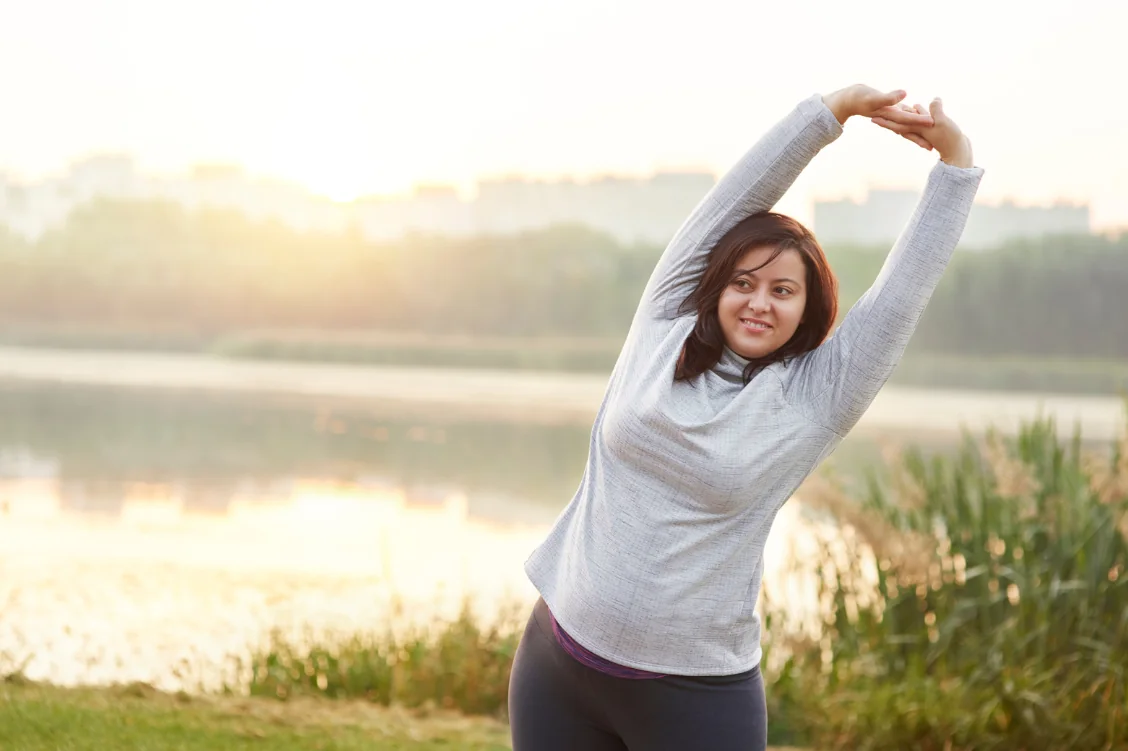
Picture a group of people moving together in a park at dawn, their motions slow and fluid like a river finding its way around stones. Arms rise and fall. Weight shifts from one foot to the other. There’s no straining, no pounding, no heavy breathing, just a quiet, graceful flow that looks almost like a dance with the air itself.
This is tai chi, and it might be one of the most underrated wellness practices in the Western world. Often described as “meditation in motion,” tai chi has been practiced in China for centuries as both a martial art and a path to better health. Today, a growing body of research confirms what practitioners have always known: this gentle, flowing practice can reduce stress, improve balance, ease chronic pain, and support both physical and mental wellbeing at any age.
If you’ve been curious about tai chi for beginners but felt intimidated by the graceful movements or assumed it was only for older adults, this guide is for you. Tai chi welcomes everyone, requires no special equipment, and can be started at any fitness level.
In This Article
- What Is Tai Chi?
- What the Research Says About Tai Chi
- 9 Evidence-Based Benefits of Tai Chi
- Tai Chi Styles: Which One Is Right for Beginners?
- The Fundamental Principles of Tai Chi
- Getting Started: Your First Tai Chi Practice
- 5 Basic Tai Chi Movements for Beginners
- Common Questions About Starting Tai Chi
- Making Tai Chi a Lifelong Practice
Key Takeaways
- Tai chi is a gentle, low-impact practice that combines slow movement, deep breathing, and focused awareness
- Harvard Medical School calls tai chi beneficial for people of all ages and fitness levels
- Research supports its effectiveness for improving balance, reducing stress, easing arthritis pain, and supporting heart health
- No special equipment, clothing, or prior experience is needed to begin
- Even 15 to 20 minutes of practice several times per week can produce meaningful health benefits
What Is Tai Chi?
Tai chi (sometimes written as t’ai chi or taiji) is a centuries-old Chinese practice that originated as a martial art but has evolved into a gentle form of exercise widely practiced for its health benefits. According to Harvard Medical School, tai chi is a graceful form of exercise that involves a series of movements performed in a slow, focused manner accompanied by deep breathing.
At its heart, tai chi is about cultivating and directing qi (pronounced “chee”), the vital life energy that traditional Chinese medicine believes flows through the body. While you don’t need to subscribe to any particular philosophy to benefit from tai chi, understanding this concept helps explain why the practice emphasizes smooth, continuous movement, relaxed breathing, and a calm, focused mind.
Each tai chi movement flows seamlessly into the next, creating a continuous, unbroken sequence that practitioners call a “form.” These forms range from short sequences of five or six movements that take just a few minutes to perform, to long forms with over 100 movements that can take 20 minutes or more. For beginners, shorter forms provide an ideal starting point.
What makes tai chi fundamentally different from most Western exercise is its emphasis on softness over force, internal awareness over external performance, and yielding over resistance. In tai chi, you’re not trying to build muscle mass or elevate your heart rate to a specific zone. Instead, you’re developing balance, coordination, body awareness, and a quality of relaxed strength that practitioners call “sung”: a state of being simultaneously relaxed and alert.
What the Research Says About Tai Chi
Tai chi has become one of the most studied mind-body practices in the world, with hundreds of clinical trials examining its effects on everything from chronic pain to cardiovascular health to cognitive function.
The Cleveland Clinic reports that tai chi has demonstrated benefits across a wide range of health conditions and populations. The evidence is particularly strong for balance improvement and fall prevention in older adults, stress reduction, pain management for conditions like arthritis and fibromyalgia, and cardiovascular health.
One of the most compelling aspects of tai chi research is the breadth of benefits observed from a single practice. Unlike medications that typically target one specific condition, tai chi appears to improve multiple health markers simultaneously. A person who begins practicing for stress relief may also notice improvements in their balance, sleep quality, and joint flexibility, benefits that compound over time.
According to Healthline, research has shown tai chi to be effective for reducing stress and anxiety, improving aerobic capacity, increasing energy and stamina, enhancing flexibility and muscle strength, and improving balance and agility. The practice has also shown promise for supporting cognitive function, which has generated particular interest among researchers studying aging and neurodegeneration.
What makes these findings especially noteworthy is that tai chi achieves them through movements that are gentle enough for people who cannot tolerate higher-impact exercise. This makes it a valuable option for people recovering from illness or injury, managing chronic conditions, or simply seeking a sustainable form of lifelong movement.
9 Evidence-Based Benefits of Tai Chi
1. Remarkable Balance Improvement
Balance improvement is perhaps the most well-established benefit of tai chi. Harvard Medical School notes that tai chi is particularly effective at improving balance because it addresses multiple components simultaneously: leg strength, flexibility, range of motion, and the proprioceptive sense that tells your brain where your body is in space. For older adults, this translates directly into reduced fall risk: a significant concern, since falls are a leading cause of injury in people over 65.
2. Significant Stress Reduction
The combination of slow movement, deep breathing, and focused attention creates a powerful stress-relief practice. Tai chi has been shown to lower cortisol levels, reduce blood pressure, and activate the parasympathetic nervous system. Many practitioners describe a feeling of calm alertness that persists long after their practice session ends.
3. Chronic Pain Relief
Multiple studies have found tai chi effective for managing pain associated with arthritis, fibromyalgia, and chronic low back pain. The gentle movements help maintain joint flexibility and strengthen the muscles that support painful joints, while the meditative component may change the way the brain processes pain signals.
4. Cardiovascular Health
Despite its gentle nature, tai chi provides meaningful cardiovascular benefits. Research has shown that regular practice can lower blood pressure, improve cholesterol profiles, and enhance overall heart function. For people who cannot tolerate vigorous aerobic exercise, tai chi offers a safe and effective way to support heart health.
5. Improved Flexibility and Mobility
The flowing movements of tai chi gently take your joints through their full range of motion, gradually improving flexibility without the strain of aggressive stretching. Over time, practitioners often notice they can move more freely and comfortably in their daily lives: bending, reaching, and turning with greater ease.
6. Better Sleep
Several studies have found that regular tai chi practice improves both sleep quality and sleep duration. The stress-reducing effects of the practice, combined with the gentle physical fatigue it produces, help create conditions favorable for restful sleep. Many practitioners report that the benefits for sleep are among the first improvements they notice.
7. Enhanced Mental Clarity and Focus
Tai chi requires continuous attention to movement, breath, and body position, which exercises the same cognitive skills needed for focused work and clear thinking. Research suggests that regular practice may support cognitive function and even slow age-related cognitive decline, though more studies are needed in this area.
8. Mood Improvement
The combination of physical movement, rhythmic breathing, and social connection (for those who practice in groups) has been shown to reduce symptoms of depression and improve overall mood. The meditative quality of tai chi may also help practitioners develop greater emotional resilience and a more balanced perspective on life’s challenges.
9. Immune System Support
Emerging research suggests that tai chi may enhance immune function, potentially by reducing the chronic stress that suppresses immune activity. Some studies have found that tai chi practitioners show improved immune responses, though this area of research is still developing.
Tai Chi Styles: Which One Is Right for Beginners?
There are several distinct styles of tai chi, each with its own character and emphasis. Understanding the major styles can help you choose the right starting point.
Yang style is the most widely practiced style worldwide and generally the best choice for beginners. It features slow, graceful, expansive movements performed at an even pace. The movements are large and flowing, making them relatively easy to learn and follow. Most tai chi classes marketed to beginners teach Yang style or a simplified version of it.
Sun style is another excellent option for beginners, particularly those with arthritis or mobility limitations. It features higher stances (less bending of the knees), gentle footwork, and a compact frame that’s easier on the joints. Sun style is often recommended by the Arthritis Foundation.
Wu style emphasizes small, compact movements and a slightly forward-leaning posture. It’s gentler than Yang style in some ways but requires more subtle body awareness, which can make it slightly more challenging for absolute beginners.
Chen style is the oldest form of tai chi and includes more dynamic movements, including some faster, more explosive techniques. While beautiful and powerful, Chen style is generally not recommended for beginners due to its complexity and physical demands.
If you’re just starting out, look for a class or video labeled “Yang style tai chi for beginners” or “simplified tai chi.” Many instructors teach a short form of 8 to 24 movements that captures the essential benefits of the practice in a manageable, learnable sequence.
The Fundamental Principles of Tai Chi
Before learning specific movements, it helps to understand the principles that guide all tai chi practice. These principles aren’t rules you have to memorize, they’re qualities you gradually cultivate as your practice deepens.
Relaxation (sung). This is the foundational principle of tai chi. Every movement should be performed with the minimum muscular effort necessary. Tension is the enemy of good tai chi. This doesn’t mean being limp or collapsed: it means being soft, supple, and free of unnecessary holding. Think of the difference between a rigid branch that snaps in the wind and a flexible one that bends and springs back.
Slowness. Tai chi movements are performed slowly not because practitioners lack the ability to move quickly, but because slowness is what allows you to develop awareness, control, and internal sensitivity. When you move slowly, you can feel subtle shifts in balance, notice areas of tension, and maintain the continuous, flowing quality that defines the practice.
Continuous movement. In tai chi, there are no pauses between movements. One posture flows seamlessly into the next, like a river moving around stones. This continuity helps maintain the meditative quality of the practice and trains the body to move with fluid coordination.
Rooting. Tai chi practitioners develop a strong sense of connection to the ground, as if roots extend from the soles of their feet into the earth. This grounded quality provides stability and a sense of being centered and anchored, even while in motion.
Breathing. Tai chi coordinates movement with natural, deep abdominal breathing. You don’t need to force your breath into any particular pattern, simply breathe naturally through your nose and allow your belly to expand on the inhale and soften on the exhale. Over time, your breath and movement will synchronize naturally.
Getting Started: Your First Tai Chi Practice
What You’ll Need
- Comfortable, loose-fitting clothing that allows free movement
- Flat, flexible shoes (or practice barefoot on a clean surface)
- A space roughly six feet by six feet: enough to take a few steps in any direction
- Optional: a beginning tai chi class, video, or app for guided instruction
Start with standing meditation. Before learning any movements, spend a few minutes simply standing. Stand with your feet shoulder-width apart, knees very slightly bent, arms hanging naturally at your sides. Let your shoulders drop away from your ears. Soften your belly. Breathe naturally. Feel the weight of your body settling down through your legs and into the soles of your feet. This standing practice, called “standing like a tree” (zhan zhuang), is the foundation of all tai chi and can be practiced on its own as a powerful form of moving meditation.
Learn to shift your weight. From your standing position, slowly shift your weight onto your right foot, then slowly shift it onto your left foot. Move slowly enough that you can feel the transfer happening gradually: not a sudden shift, but a smooth, continuous flow from one side to the other. This simple weight-shifting exercise develops the balance and body awareness that all tai chi movements build upon.
Add arm movements. Once you’re comfortable shifting weight, add simple arm movements. As your weight shifts right, let your arms float upward to about shoulder height, palms facing down. As your weight shifts left, let them float gently back down. Coordinate the movement so everything happens together: arms, weight, and breath moving as one integrated whole.
5 Basic Tai Chi Movements for Beginners
1. Opening Form (Commencement)
Stand with feet shoulder-width apart, arms at your sides. Slowly raise both arms in front of you to shoulder height, palms facing down, as you inhale. As you exhale, gently press your palms downward, bending your knees slightly as your hands lower to hip height. This simple movement introduces the fundamental tai chi pattern of rising and sinking, opening and closing.
2. Parting the Wild Horse’s Mane
This is often the first movement taught in Yang style tai chi. It involves stepping forward while one arm sweeps upward and outward (as if gently separating a horse’s mane) while the other arm presses down beside the hip. The movement alternates left and right, developing coordination, balance, and the ability to step with awareness.
3. Wave Hands Like Clouds
One of the most meditative movements in tai chi, this involves shifting weight from side to side while the arms float in gentle, circular patterns in front of the body, as if smoothing clouds. The movement is repetitive and rhythmic, making it particularly calming and accessible for beginners.
4. Brush Knee and Twist Step
This movement involves stepping forward while one hand pushes gently forward at chest height and the other sweeps across the front of the knee. It develops coordination between upper and lower body and teaches the important principle of moving in opposite directions simultaneously, a hallmark of tai chi.
5. Closing Form
The closing form mirrors the opening: arms rise gently to shoulder height as you inhale, then lower as you exhale and straighten your knees. You return to your starting position: standing quietly, feet together, hands at your sides. Take a few breaths here, noticing how your body feels after practice.
Common Questions About Starting Tai Chi
Am I too old (or too young) for tai chi?
Tai chi is practiced by people from their teens to their nineties. The beauty of the practice is that it can be adapted to virtually any age and ability level. Younger practitioners may benefit from the stress reduction and mental focus aspects, while older practitioners often find the balance and flexibility benefits particularly valuable. There is no wrong age to begin.
Do I need to be flexible or fit to start?
Absolutely not. Tai chi meets you where you are. If you can stand (or even sit in a chair), you can practice tai chi. Flexibility, strength, and balance develop gradually through the practice itself. In fact, people who begin with limited mobility often experience the most dramatic improvements.
Should I take a class or learn from videos?
Both approaches have merit. A live class (in person or online) offers the advantage of real-time feedback and correction, plus the motivation and social connection of practicing with others. Video instruction offers flexibility and the ability to learn at your own pace. Many people find that starting with a class to learn the basics, then supplementing with video practice at home, gives them the best of both worlds. According to Mayo Clinic, finding a good instructor who can tailor the practice to your abilities is particularly helpful for beginners.
How long before I notice benefits?
Many people notice stress reduction and improved mood after their very first session. Balance and flexibility improvements typically become apparent within a few weeks of regular practice. More significant health benefits, like reduced blood pressure or pain relief, generally require consistent practice over several months. The key is patience and consistency.
Can I practice tai chi with a health condition?
Tai chi is generally considered safe for people with a wide range of health conditions, including arthritis, heart disease, osteoporosis, and Parkinson’s disease. However, it’s always wise to consult with your healthcare provider before beginning any new exercise program, particularly if you have a serious health condition or are recovering from surgery.
Making Tai Chi a Lifelong Practice
Tai chi is not a quick fix, it’s a lifelong practice that deepens and evolves over years and decades. Here’s how to set yourself up for long-term success:
Practice a little bit every day. Fifteen to twenty minutes of daily practice will produce better results than one long session per week. Even five minutes of standing meditation and basic movements, performed consistently, will build a meaningful practice over time.
Embrace the beginner’s mind. Tai chi practitioners say that the practice reveals new layers of understanding over years and decades. Even masters continue to discover new subtleties in movements they’ve performed thousands of times. Approaching each practice session with curiosity rather than a need to “get it right” keeps the practice fresh and rewarding.
Find community. Practicing tai chi with others creates accountability, motivation, and a sense of shared purpose. Look for local classes, park groups, or community center programs. Many cities have free tai chi sessions in public parks, particularly in the warmer months.
Be patient with yourself. Tai chi movements look simple but contain remarkable depth. You may feel awkward or uncoordinated at first, particularly if you’re used to more dynamic forms of exercise. This is completely normal. The practice of tai chi is, in many ways, the practice of patience itself.
Practice outdoors when you can. While tai chi can be practiced anywhere, there’s something special about moving through these ancient forms in natural settings. The combination of gentle movement, fresh air, and contact with the natural world creates a deeply nourishing experience that indoor practice can’t fully replicate.
Tai chi offers something increasingly rare in our fast-paced, high-intensity culture: permission to slow down. Permission to be gentle with yourself. Permission to pursue health not through force and strain, but through softness, awareness, and the quiet power of consistent, mindful movement.
You don’t need to be athletic, flexible, young, or experienced. You just need to be willing to stand, breathe, and move: slowly, gently, one step at a time. The practice is waiting for you, and it has all the patience in the world.
The Free Subscriber’s Library Is Open
Join Peacefully Proven for a growing collection of free wellness tools, guides, and printables, plus a guided forest bathing meditation to begin. All yours, always free.






Join the conversation and add your thoughts.