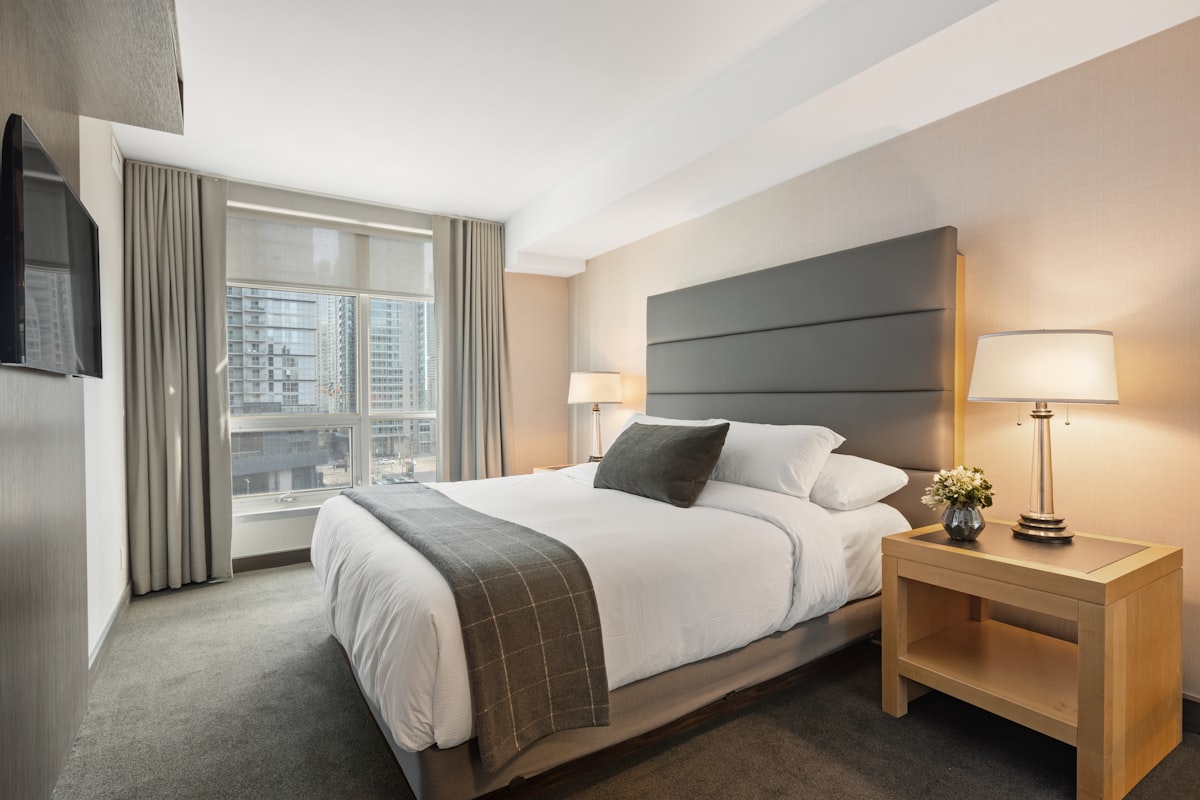
Sleep-Optimized Bedroom: How to Design Your Space for Deeper Rest

You spend approximately 26 years of your life sleeping — or trying to. And the quality of those years, the depth and restorative power of that sleep, depends more on the environment in which it happens than most people realize. You can have perfect sleep hygiene habits — consistent bedtime, no caffeine after noon, a calming evening routine — and still sleep poorly if the room itself is working against you. Temperature, light, sound, air quality, bedding materials, the presence or absence of electronics, even the color of the walls and the arrangement of the furniture all influence whether your bedroom is a place where deep sleep comes easily or a place where it is subtly, persistently undermined. Designing a sleep-optimized bedroom is not about luxury or aesthetics. It is about understanding the environmental conditions your body needs to move through all the stages of sleep — light sleep, deep sleep, and REM sleep — and creating a room that provides those conditions consistently, night after night.

The Sleep Foundation has extensively documented that the bedroom environment is one of the most significant modifiable factors in sleep quality. Unlike genetics, age, or medical conditions — which affect sleep but are difficult or impossible to change — your bedroom is entirely within your control. Every element that influences sleep can be adjusted, upgraded, or optimized with choices that range from free (moving your phone to another room) to moderately expensive (replacing your mattress) but never impossible. The return on these investments is measured not in comfort alone but in cognitive function, emotional regulation, immune health, metabolic balance, and the overall quality of every waking hour, because how well you sleep determines how well you live.

The Science of Sleep Environment

Sleep is not a passive state. It is an active, highly structured biological process during which your brain cycles through distinct stages — each serving a different restorative function — in roughly 90-minute cycles throughout the night. Light sleep (stages 1 and 2) transitions the brain from waking to sleeping and consolidates motor skills. Deep slow-wave sleep (stage 3) is when physical repair occurs: growth hormone is released, tissues are rebuilt, the immune system is activated, and the brain’s glymphatic system flushes metabolic waste products. REM sleep is when the brain processes emotions, consolidates declarative memories, and performs the complex neurological maintenance that supports learning, creativity, and psychological resilience.

Each of these stages has specific environmental requirements. Deep sleep requires a cool core body temperature. REM sleep is easily disrupted by sound and light. The transition from waking to sleeping requires an absence of alerting stimuli. Sleep researchers have identified that optimizing the bedroom environment for these requirements does not just increase total sleep time — it increases the proportion of time spent in the most restorative sleep stages, meaning that even if you sleep the same number of hours, the quality of those hours improves significantly.

The relationship between environment and sleep quality is not linear but threshold-based. There are specific environmental conditions below which sleep degrades notably and above which further improvement produces diminishing returns. The goal of a sleep-optimized bedroom is to meet or exceed these thresholds across every relevant environmental variable — temperature, light, sound, air quality, and physical comfort — so that none of them is the weak link in your sleep quality chain.

The Five Pillars of a Sleep-Optimized Bedroom

  • Temperature: 60-67 degrees Fahrenheit (the body needs to cool to initiate deep sleep)
  • Darkness: Complete darkness — no visible light sources during sleep hours
  • Sound: Consistent, low-level background noise or genuine silence
  • Air quality: Fresh, filtered air with appropriate humidity (30-50%)
  • Comfort: A supportive mattress, appropriate pillow, and breathable bedding

Temperature: The Most Critical Variable

If you could change only one thing about your bedroom to improve sleep quality, it should be the temperature. Your body’s core temperature naturally drops by about 2 degrees Fahrenheit during the transition from waking to sleeping, and this temperature decline is not just a side effect of sleep — it is a requirement. The body uses the drop in core temperature as a signal to initiate the release of melatonin and the onset of sleep. If the bedroom is too warm, this temperature decline is impeded, and the result is difficulty falling asleep, reduced time in deep sleep, and more frequent nighttime awakenings.

Harvard Medical School’s guidance on sleep hygiene consistently identifies bedroom temperature as a primary environmental factor in sleep quality. The ideal range for most adults is 60 to 67 degrees Fahrenheit — significantly cooler than the 70 to 75 degrees at which most people set their thermostats. This means that for many households, improving sleep is as simple (and as uncomfortable-sounding) as lowering the thermostat at bedtime.

Strategies for a Cooler Sleep Environment

Set your thermostat to decrease automatically in the evening, reaching 65 degrees or lower by bedtime. If central cooling is not available, a bedroom fan provides both air circulation and gentle white noise. Choose breathable bedding materials (cotton, linen, wool) that wick moisture and allow heat to dissipate rather than trapping it against your body. A warm bath or shower 60 to 90 minutes before bed counterintuitively helps you sleep in a cool room by bringing blood to the skin surface, which accelerates heat loss and triggers the core temperature drop that initiates sleep. If your partner prefers a warmer room, consider separate blankets or a split-temperature mattress pad that allows individual temperature control.

There is a reason you sleep better in hotel rooms and on cool autumn nights. Hotel rooms are typically air-conditioned to temperatures cooler than most bedrooms, and autumn nights provide the natural temperature decline that your circadian system interprets as the ideal signal for deep, restorative sleep. Your bedroom should feel like a cool autumn night, every night.

Darkness: Engineering True Nighttime

The human sleep-wake cycle evolved in a world where nighttime meant darkness — not dim, not mostly dark, but the deep, absolute darkness of a world without electric light. Your circadian system is calibrated to this darkness, and even small amounts of ambient light during sleep hours can suppress melatonin production, reduce sleep depth, and fragment sleep architecture. Research has shown that sleeping in a room with even modest ambient light (equivalent to a dimly lit hallway visible under the door) is associated with increased insulin resistance, higher resting heart rate, and poorer metabolic outcomes compared to sleeping in complete darkness.

Achieving True Darkness

Install blackout curtains or blackout roller shades on all bedroom windows. The difference between “room-darkening” curtains and true blackout curtains is significant — test yours by standing in the room with the curtains closed during the day and checking for light leaking around edges and through the fabric itself. Cover or remove any electronics with LED indicator lights (alarm clocks, phone chargers, smoke detector LEDs, power strip switches). Use electrical tape to cover any light you cannot remove. If there is light coming under your door from a hallway, use a draft stopper to block it. The goal is a room where, after your eyes have adjusted, you cannot see your hand in front of your face.

When Complete Darkness Is Not Possible

If you share your bedroom with a partner who reads before bed, if streetlights penetrate despite curtains, or if you need a night light for safety, a high-quality sleep mask is the next best solution. Choose a contoured mask that does not press on the eyelids, blocks light completely (including from below and the sides), and is made from a breathable material that does not trap heat. For partners with different schedules, a directional reading light that illuminates only the reader’s side of the bed, combined with a sleep mask for the sleeping partner, allows both needs to coexist.

Sound: Silence, White Noise, and Acoustic Management

Sound disrupts sleep even when it does not wake you. Research has shown that noise exposure during sleep (traffic, neighbors, a partner’s snoring, outdoor animals) can cause micro-arousals — brief, unconscious transitions from deeper to lighter sleep stages — that fragment sleep architecture and reduce the restorative value of the night even though you have no memory of waking. The brain monitors sound throughout the night as a survival mechanism, and sudden or variable noises trigger the alerting response even during deep sleep.

Consistent Background Sound

The National Sleep Foundation recommends consistent background sound — white noise, pink noise, or nature sounds — as a strategy for masking disruptive environmental noise. A white noise machine, a fan, or a dedicated sleep sound app produces a consistent auditory backdrop that reduces the contrast between silence and sudden noise, making it less likely that individual sounds will trigger arousal. The key is consistency: the sound should be unchanging throughout the night, at a volume that masks disruptions without being so loud that it becomes a disruption itself.

Sound Insulation

For bedrooms with significant external noise (traffic, neighbors, urban environments), consider improving the room’s sound insulation. Heavy curtains (blackout curtains serve double duty here) absorb sound. A thick rug on hard floors reduces sound reflection. Weatherstripping on windows and doors reduces sound transmission. If the noise is severe, acoustic panels designed for home use can be mounted on the wall that faces the noise source. These measures do not create silence, but they reduce the amplitude and sharpness of noise intrusions, making them less likely to disrupt sleep.

The Mattress: Your Most Important Health Investment

You will spend more time on your mattress than on any other single object you own, and its quality directly determines the physical comfort and spinal alignment that allow your body to relax deeply enough to achieve restorative sleep. A mattress that is too old (most mattresses degrade significantly after seven to ten years), too soft (allowing the spine to sag out of neutral alignment), too firm (creating pressure points at the hips and shoulders), or made from materials that trap heat all compromise sleep quality in ways that accumulate over thousands of nights.

Choosing the Right Mattress

There is no universally “best” mattress — the right choice depends on your sleeping position, body weight, temperature preferences, and any specific pain or comfort issues. Side sleepers generally need a softer surface that allows the shoulder and hip to sink in while maintaining spinal alignment. Back sleepers need medium firmness that supports the natural curve of the spine. Stomach sleepers need a firmer surface that prevents the hips from sinking too deeply. Regardless of position, prioritize mattresses made from materials that breathe (natural latex, innerspring with natural fiber comfort layers) over those that trap heat (memory foam, especially low-quality memory foam).

The Pillow

An overlooked element of mattress-level comfort, the pillow’s primary function is to maintain neutral alignment of the cervical spine during sleep. The right pillow thickness depends on your sleeping position: side sleepers need a thicker pillow to fill the gap between the shoulder and head, back sleepers need a medium pillow that supports the neck’s natural curve, and stomach sleepers need a thin pillow or no pillow at all. Like mattresses, pillows degrade over time and should be replaced every one to two years — a pillow that has lost its loft is not supporting your neck, regardless of how comfortable it feels through habit.

Bedding: Materials That Regulate and Restore

The materials in direct contact with your skin for eight hours every night matter more than most people consider. Synthetic fabrics (polyester, microfiber) trap heat and moisture, creating a warmer, less comfortable microclimate around your body. Natural fibers — cotton, linen, wool, and silk — breathe, wick moisture, and regulate temperature in ways that synthetic materials cannot replicate.

Sheets

Organic cotton percale sheets are crisp, cool, and breathable — ideal for people who sleep warm. Linen sheets are even more breathable and improve in softness with every wash, though they have a more textured feel that not everyone prefers. Avoid thread counts above 400 to 500 in cotton sheets, as extremely high thread counts are achieved by using thinner yarns woven more tightly, which reduces breathability. A 300-thread-count percale sheet often feels cooler and sleeps better than an 800-thread-count sateen.

Blankets and Comforters

Layering is more effective than a single heavy comforter because it allows you to adjust warmth throughout the night as your body temperature fluctuates. A breathable cotton blanket as the base layer, with a comforter that can be added or removed, provides flexibility. Wool comforters are excellent temperature regulators — they insulate when you are cold and release heat when you are warm — and are naturally resistant to dust mites and mold. If you prefer down, choose a lighter weight than you think you need; most people sleep with too much insulation, which raises body temperature and degrades sleep quality.

Air Quality: Breathing Your Way to Better Sleep

Research from the CDC and sleep hygiene experts has established that bedroom air quality affects both the ease of falling asleep and the depth of sleep achieved. A bedroom with stale, recirculated air, elevated carbon dioxide levels (from breathing in a closed room), or airborne allergens provides a less optimal environment for the deep, restorative breathing that characterizes healthy sleep.

Ventilation

If weather and safety permit, crack a window at night to provide continuous fresh air exchange. Even a one-inch opening provides meaningful air circulation that reduces carbon dioxide buildup and maintains oxygen levels. If opening a window is not practical, use a HEPA air purifier that provides continuous air filtration and circulation. Run the purifier on its lowest setting for white noise benefits as well.

Allergen Management

Dust mites are one of the most common sleep-disrupting allergens, and they thrive in mattresses, pillows, and bedding. Encasing your mattress and pillows in allergen-proof covers creates a barrier between your breathing air and the millions of dust mites and their waste products that inhabit even clean bedding. Wash sheets and pillowcases weekly in hot water (at least 130 degrees Fahrenheit) to kill dust mites. Vacuum the bedroom floor weekly with a HEPA-filter vacuum. These measures reduce the allergen load that your respiratory system must manage during sleep, supporting deeper, less disrupted breathing.

Humidity

Bedroom humidity between 30 and 50 percent supports comfortable breathing and prevents the dry air that causes nighttime nasal congestion, sore throat, and dry skin — all of which fragment sleep. A small humidifier in winter (when heating systems dry the air) and attention to ventilation in summer (when humidity may be too high) keep the moisture level in the optimal range. Clean the humidifier regularly to prevent mold and bacterial growth, which would worsen rather than improve your air quality.

Technology: The Screen-Free Sleep Zone

The single most impactful behavioral change you can make for sleep is removing screens from the bedroom. Not dimming them. Not using night mode. Removing them. Every screen in your bedroom — television, phone, tablet, laptop — is a device that delivers three things that are incompatible with sleep: blue light that suppresses melatonin, cognitive stimulation that activates the brain, and notifications that create anxiety about what you might be missing. The bedroom should communicate one thing to your brain: this is a place for sleep. Every screen in the room contradicts that message.

Practical Implementation

Charge your phone in another room. Use an analog alarm clock or a sunrise alarm that wakes you with gradually increasing warm light rather than a jarring electronic sound. If you read before bed, use a physical book or a dedicated e-reader with a true e-ink screen and front light (not a backlit tablet). Remove the television entirely, or at minimum commit to turning it off at least 60 minutes before your intended sleep time. These changes feel uncomfortable for the first few days and feel essential within two weeks, once your brain relearns what a bedroom without screens feels like.

Design Elements: Color, Clutter, and Calm

Color Psychology

The colors in your bedroom affect your mood and your nervous system’s state of activation. Cool, muted tones — soft blues, greens, grays, and earthy neutrals — are associated with calm, relaxation, and lower blood pressure. Bright, warm colors — reds, oranges, bright yellows — are stimulating and energizing, making them appropriate for kitchens and living rooms but counterproductive in a bedroom. If repainting is not feasible, bedding, curtains, and textiles in calming tones can shift the room’s overall visual impression.

Clutter and Visual Calm

Research in environmental psychology has demonstrated that visual clutter increases cortisol levels and creates a low-grade stress response that is incompatible with the relaxation needed for sleep onset. A bedroom with clear surfaces, organized storage, and a minimum of visual complexity communicates rest to your nervous system the moment you walk in. You do not need a minimalist aesthetic, but you do need a room where the visual environment says “you are done for the day” rather than “there is still more to do.”

Bed Association

Sleep researchers consistently emphasize the importance of stimulus control — using the bed only for sleep and intimacy, and never for work, eating, phone scrolling, or watching television. This association strengthens over time: when your brain associates the bed exclusively with sleep, simply getting into bed triggers the relaxation response that initiates the sleep process. When the bed is associated with waking activities, this trigger is weakened or lost, and the bed becomes a neutral or even stimulating environment rather than a sleep-promoting one.

The Sleep Environment Audit

Tonight, walk into your bedroom and evaluate it through the lens of sleep science. Temperature: is it cool enough (65 degrees or below)? Light: can you see any light sources, including standby LEDs and light under the door? Sound: is there intermittent noise that might cause micro-arousals? Air: does the air feel fresh and at a comfortable humidity? Comfort: when did you last evaluate whether your mattress and pillow still support you well? Clutter: does the visual environment say “rest” or “unfinished business”? Screens: how many screens are in the room? Identify the single weakest element and address it tonight.

Pre-Sleep Rituals: Using the Bedroom as a Transition

The bedroom is not just a place where sleep happens. It is the environment in which you transition from the activity and stimulation of the day into the deep rest your body needs. This transition does not happen instantly — it requires a period of deceleration during which your nervous system shifts from sympathetic (fight-or-flight, active, alert) to parasympathetic (rest-and-digest, calm, restorative) dominance. The bedroom environment can either support or undermine this transition.

A pre-sleep ritual that takes place in your optimized bedroom anchors the transition in a specific place and a specific sequence of actions that, over time, become conditioned triggers for sleepiness. Dim the lights (warm, low-intensity light only). Change into comfortable sleepwear. Read a few pages of a physical book. Practice three to five minutes of deep breathing or a body scan meditation. Apply a drop of lavender essential oil to your pillow. These actions, performed consistently in the same order in the same environment, create a Pavlovian chain that tells your brain: the day is ending, sleep is coming, it is safe to let go.

The cumulative effect of a sleep-optimized bedroom is not just better sleep on any given night. It is a transformation of your relationship with sleep itself — from something you struggle with, worry about, and never seem to get enough of, into something that comes naturally in a space designed for it. When every element of the room is aligned with the biological requirements of deep, restorative sleep, the effort of sleeping dissolves. You do not have to try to sleep. You simply have to enter the environment, and the environment does the rest.

Let Nature Prepare You for the Deepest Sleep

Try our free Forest Bathing Meditation and discover how time in nature resets the nervous system for sleep. Forest bathing has been shown to reduce cortisol, lower heart rate, and activate the parasympathetic state that makes deep sleep possible. The forest is the original sleep environment — and its rhythms still live in your biology.

Get Your Free Meditation →

Your bedroom is either helping you sleep or it is not — and in most homes, it is not. The gap between the bedroom most people have and the bedroom sleep science recommends is wide, but it is bridgeable with changes that range from free to moderately priced. Start with the fundamentals: make it cooler, make it darker, remove the screens. Then refine: upgrade your bedding, manage the air quality, establish the rituals. Each change compresses the time between your head hitting the pillow and the onset of deep sleep. Each change extends the time spent in the restorative stages that rebuild your body and mind. Each change, small as it may seem, is an investment in the quality of every waking hour — because sleep is not separate from the rest of your life. It is the foundation upon which the rest of your life is built.

Join our mindful community!

Subscribe now and receive your free 10-minute guided forest bathing meditation, our gift to you.

You may unsubscribe at any time.

author avatar
Amie Harpe Founder and Author, Peacefully Proven
Amie Harpe is the founder and author of Peacefully Proven, a wellness site dedicated to intentional, holistic living. Drawing on her own journey through burnout recovery, nervous system regulation, and sustainable lifestyle design, she writes about mindfulness, plant-based nutrition, food as medicine, sustainable living, caregiver wellness, and the quiet practices that build a peaceful life. Amie also runs Sakara Digital, a boutique digital consulting firm for life sciences.

Some links on this page are affiliate links that help support my work at no extra cost to you.


Join the conversation and add your thoughts.

Discover more from Peacefully Proven

Subscribe now to keep reading and get access to the full archive.

Continue reading