
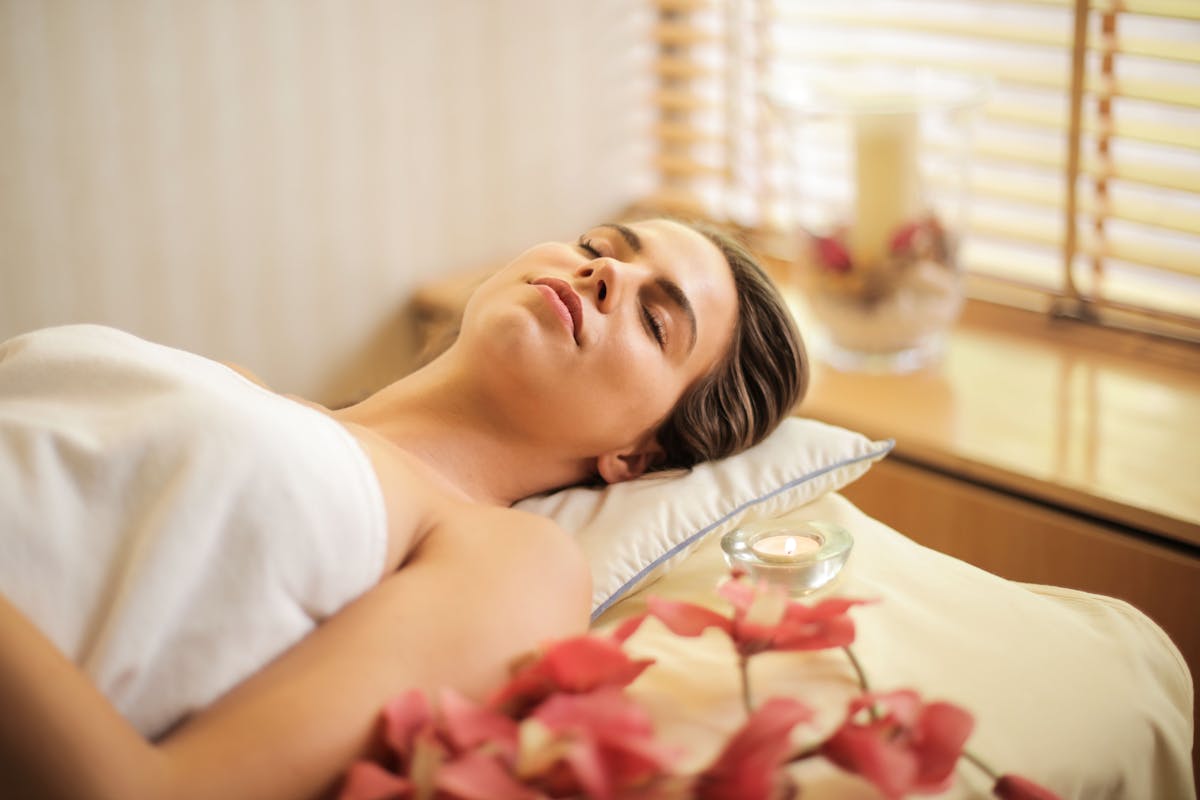
The lymphatic system is one of those quiet workhorses we rarely think about. It is a network of vessels that helps carry fluid and waste away from the tissues and supports the immune system, and unlike the blood, it has no pump of its own. It relies on movement, breathing, and gentle pressure to keep things flowing. I got curious about supporting it as part of my own movement and relaxation routine, and these gentle techniques are easy to do at home.
A quick, honest word first: these are gentle, general-wellness techniques, not medical treatment. If you have lymphedema or any diagnosed condition, please work with a trained therapist or your doctor rather than following a general guide. For everyone else, here are seven gentle techniques you can do at home in about ten minutes.
In This Article
Key Takeaways
- The lymphatic system has no pump and relies on movement, breath, and gentle pressure.
- These are gentle wellness techniques, not treatment for a medical condition.
- Light, slow, and toward the heart is the guiding principle.
- Deep breathing and everyday movement do most of the work for free.
- Ten gentle minutes is plenty; more pressure is not better.
1. Deep Belly Breathing
Breathing is the simplest lymphatic support there is. Slow, deep belly breaths create a gentle pressure change in the torso that helps move lymph through the largest vessels near the core. I start here, with a few minutes of slow breathing into the belly, before anything else. It is calming, it is free, and it is doing real mechanical work the whole time.
2. Gentle Neck and Collarbone Strokes
Much of the body’s lymph drains toward points near the collarbones, so practitioners often begin there to clear the way. With very light pressure, barely more than the weight of your fingers, you can make slow, downward strokes along the sides of the neck and just above the collarbones. The key word is gentle. The lymph vessels sit just under the skin, so a feather-light touch is all it takes.
3. Dry Brushing
Dry brushing, sweeping a natural-bristle brush over dry skin toward the heart, is a popular way to stimulate circulation and the lymph just beneath the skin, while exfoliating at the same time. I find it invigorating, especially as part of a before-shower routine. Keep the pressure light and the strokes always moving toward the heart, and skip any irritated or broken skin.
4. Light Strokes Toward the Heart
For the arms and legs, slow, light strokes that always travel toward the heart follow the natural direction of lymph flow. Starting closer to the body and working outward, then sweeping inward, is the usual approach. I think of it less as a massage and more as gently encouraging the fluid along its existing path. Light and slow, always, never deep or forceful.
5. A Gentle Facial Sweep
The face holds lymph too, which is why we sometimes wake up puffy. A gentle facial sweep, with clean hands or a smooth tool, moving outward from the center of the face and down toward the neck, can help that morning puffiness ease. The skin here is delicate, so the touch should be the lightest of all. It is a soothing little ritual that doubles as a moment of self-care.
6. Legs Up the Wall
Resting with the legs elevated up a wall uses gravity to help fluid drain from tired legs back toward the core. It is one of my favorite restful poses for many reasons, and lymphatic support is a bonus. Five to ten minutes here, breathing slowly, is gentle, passive, and deeply relaxing, a fitting way to end a short at-home session.
7. Movement and Rebounding
The truth is that ordinary movement is the most powerful lymphatic support of all. Walking, stretching, and the gentle bouncing of a rebounder or simply rising onto your toes all help pump lymph through the body. So beyond any specific technique, the best thing I do for my lymphatic system is simply to keep moving through the day rather than sitting still for hours. Motion is the whole point.
Sources
- Lymphatic Diseases, MedlinePlus, U.S. National Library of Medicine.
- Benefits of Physical Activity, Centers for Disease Control and Prevention.
- Relaxation Techniques: What You Need To Know, National Center for Complementary and Integrative Health.
The Free Subscriber’s Library Is Open
Join Peacefully Proven for a growing collection of free wellness tools, guides, and printables, plus a guided forest bathing meditation to begin. All yours, always free.




Join the conversation and add your thoughts.