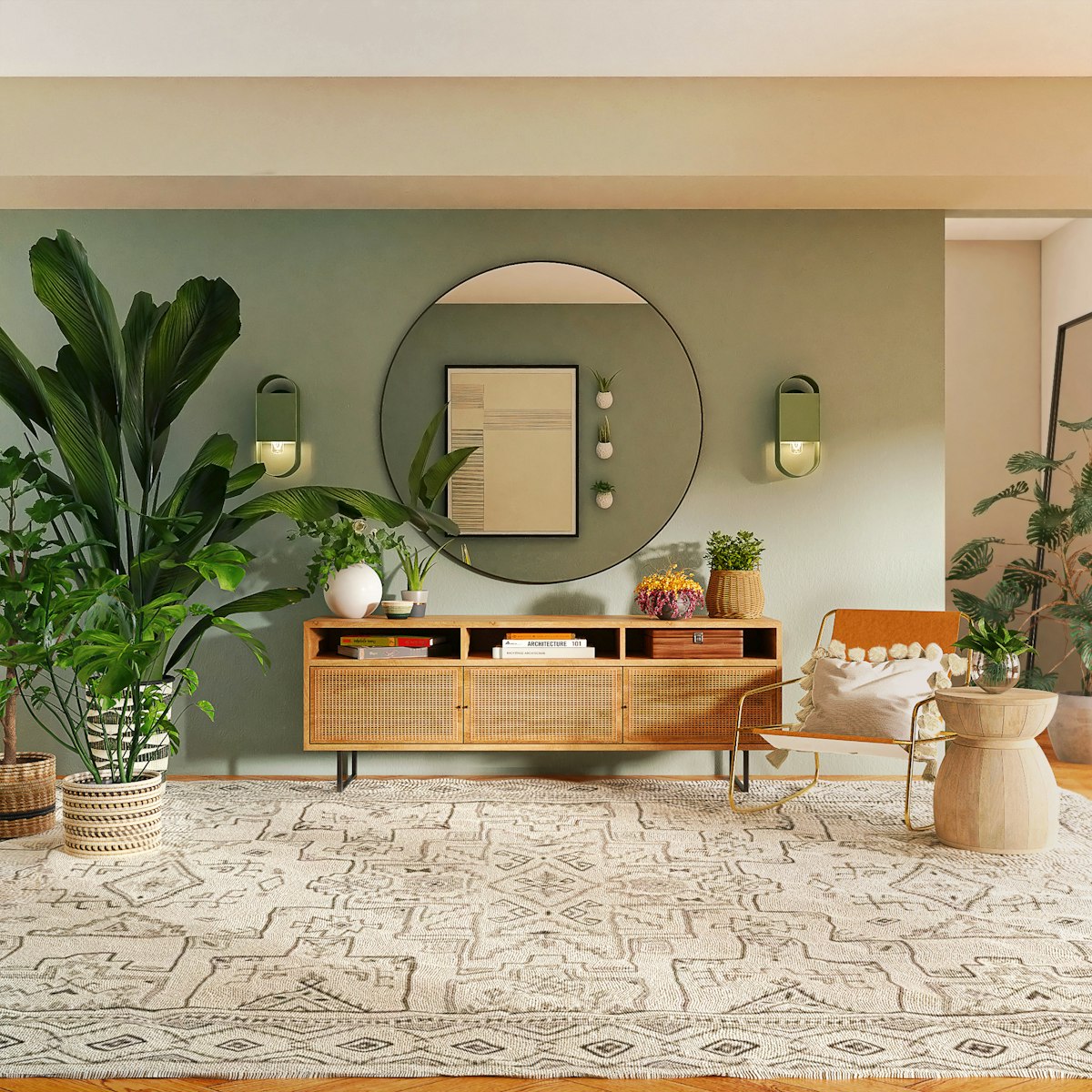
How to Create a Home Wellness Sanctuary: Room-by-Room Guide

Your home is not just a collection of rooms where you sleep, eat, and store your belongings. It is the environment that shapes your nervous system every single day — the space that either drains your energy or restores it, that either amplifies your stress or gently dissolves it, that either fragments your attention or invites you into a deeper relationship with rest and presence. Creating a home wellness sanctuary is not about expensive renovations or designer furniture. It is about understanding how your physical environment affects your mental, emotional, and physical health, and then making intentional choices — room by room — that transform your living space into a place that actively supports the life you want to live.

The science behind this idea is substantial and growing. Environmental psychology has demonstrated that everything from the colors on your walls to the quality of light entering your windows to the level of clutter on your surfaces affects your cortisol levels, your sleep quality, your capacity for focus, and your overall sense of wellbeing. As wellness design researchers have documented, the home environment has become one of the most important frontiers in preventive health — a place where small design choices compound over time into significant impacts on how you feel, how you heal, and how you show up in the rest of your life.

Why Your Home Environment Matters More Than You Think

You spend roughly two-thirds of your life inside your home. That is an extraordinary amount of time in a single environment, and the cumulative effect of that environment on your health is proportionally extraordinary. Research in environmental psychology has established that cluttered spaces increase cortisol production, that poor lighting disrupts circadian rhythms and sleep quality, that color choices influence mood and cognitive performance, and that the presence or absence of natural elements in indoor spaces measurably affects stress recovery and emotional regulation.

What makes this particularly powerful is that most of these effects operate below the level of conscious awareness. You may not notice that the overhead fluorescent light in your home office is creating low-grade eye strain and nervous system activation. You may not connect the visual chaos of an overcrowded counter to the vague sense of overwhelm you feel every time you walk into the kitchen. You may not realize that the absence of any connection to nature in your living space is slowly eroding your capacity for calm. But your body notices. Your nervous system notices. And the accumulated effect of hundreds of these unconscious environmental stressors shapes your baseline state of health in ways that no supplement, exercise routine, or meditation practice can fully compensate for if the environment itself remains unchanged.

The good news is that the reverse is equally true. When you intentionally design your home to support wellness — when you make conscious choices about light, color, texture, sound, scent, organization, and the flow of space — you create an environment that is actively therapeutic. Not in the sense of treating illness, but in the deeper sense of creating the conditions in which your body and mind naturally move toward balance, restoration, and ease. A home wellness sanctuary is not a luxury. It is one of the most practical investments you can make in your long-term health.

Key Principles of a Home Wellness Sanctuary

  • Every room has a primary wellness function — design should support that function
  • Clutter is not just visual noise; it is a measurable source of physiological stress
  • Natural light, natural materials, and living plants are not decorative — they are functional wellness tools
  • Scent, sound, and temperature are as important as visual design
  • Small changes compound over time into significant health impacts
  • Your home should feel like an exhale the moment you walk through the door

Core Principles of Wellness Design

Intentional Minimalism

Wellness design begins with subtraction, not addition. Before adding anything new to a space, the first step is to remove what does not serve your wellbeing. This is not about achieving a stark, minimalist aesthetic. It is about ensuring that every object in your home either serves a clear functional purpose or genuinely contributes to your emotional wellbeing. The decorative bowl that brings you joy every time you see it stays. The pile of magazines you have been meaning to sort through for six months goes. The principle is simple: if it does not nourish you, it is costing you — in visual clutter, in unconscious stress, and in the mental load of managing things that have no real place in your life.

Sensory Coherence

A wellness-oriented home engages all five senses in a coherent, calming way. This means thinking beyond visual aesthetics to consider how your home sounds (ambient noise levels, music, silence), how it smells (cooking odors, cleaning products, natural scents), how it feels (textures underfoot, the quality of your bedding, the temperature of each room), and even how it tastes (the quality of your water, the accessibility of nourishing food). When all sensory channels are aligned in the direction of calm and comfort, the effect on your nervous system is profoundly restorative.

Biophilic Connection

Biophilic design — the practice of incorporating natural elements into indoor spaces — is one of the most well-researched approaches to wellness architecture. Humans evolved in intimate relationship with the natural world, and our nervous systems still respond to natural elements with measurable reductions in stress, improvements in mood, and enhanced cognitive function. Biophilic design includes obvious choices like houseplants and natural materials, but it also encompasses subtler elements like views of the sky, the sound of water, natural light patterns, and organic shapes and textures that echo the patterns found in nature.

The Bedroom: Your Sleep Sanctuary

If you only transform one room in your home, make it the bedroom. Sleep is the foundation upon which every other aspect of health rests, and the bedroom environment has a direct, measurable impact on sleep quality, sleep duration, and the restorative depth of your nightly rest. Sleep environment researchers have identified several key factors that distinguish a bedroom that supports deep sleep from one that subtly undermines it.

Temperature and Air Quality

The ideal sleeping temperature for most adults is between 60 and 67 degrees Fahrenheit — significantly cooler than most people keep their bedrooms. Your body needs to drop its core temperature by about two degrees to initiate and maintain deep sleep, and a warm bedroom actively works against this process. Invest in a programmable thermostat or a fan, use breathable bedding materials like linen or organic cotton, and consider keeping the window cracked for fresh air circulation. Air quality matters too — a bedroom with stagnant, recirculated air does not support the kind of deep, restorative breathing that characterizes healthy sleep.

Light Control

Your bedroom should be genuinely dark at night — not dim, not mostly dark, but dark enough that you cannot see your hand in front of your face. Even small amounts of ambient light (from streetlights, electronics, or hallway light under the door) can suppress melatonin production and fragment sleep architecture. Blackout curtains, removal of all electronics with standby lights, and covering any remaining light sources with tape are simple investments that often produce dramatic improvements in sleep quality.

The Bed Itself

Your mattress and bedding are the most important furniture purchases you will ever make, because you spend a third of your life on them and their quality directly determines the restorative value of that time. A mattress that is past its useful life (typically seven to ten years), bedding made from synthetic materials that trap heat and moisture, or pillows that do not properly support your sleeping position are all quietly undermining your health every single night. This is one area where investing in quality pays enormous dividends.

Technology Boundaries

The bedroom should be a screen-free zone. Televisions, phones, tablets, and laptops all emit blue light that suppresses melatonin, but they also emit something more insidious: stimulation. The bedroom’s primary function is rest, and any device that delivers notifications, news, social media, or work email into that space is fundamentally incompatible with the room’s purpose. Charge your phone in another room. Use an analog alarm clock. Reclaim the bedroom as a space whose only purpose is sleep and intimacy.

Walk into your bedroom tonight and stand quietly for thirty seconds. What do you notice? What do you see, hear, smell, and feel? Does the space say “rest here” or “there is still more to do”? Your body is reading that message every night, whether you are conscious of it or not.

The Kitchen: Nourishment Central

Organizational Wellness

The kitchen is where nourishment begins, and its organization has a direct impact on what and how you eat. Research consistently shows that people make healthier food choices when healthy options are visible and accessible, and less healthy choices when they require effort to reach. Place fruits, vegetables, and whole foods at eye level. Store processed snacks in opaque containers in less accessible locations. Keep your counters clear of everything except the tools and ingredients you use daily. A clean, organized kitchen invites cooking. A cluttered, chaotic kitchen invites takeout.

Non-Toxic Cookware and Storage

The materials that come into contact with your food matter. Replace nonstick cookware containing PFAS chemicals with cast iron, stainless steel, or ceramic alternatives. Switch from plastic food storage to glass or stainless steel. Filter your cooking and drinking water. These changes reduce your daily exposure to endocrine-disrupting chemicals and other synthetic compounds that accumulate in the body over time and are increasingly linked to a range of health concerns.

Natural Light and Plants

If your kitchen has windows, maximize the natural light. If it does not, supplement with full-spectrum lighting that mimics natural daylight. Keep a small herb garden on the windowsill or counter — it provides fresh herbs for cooking, a living connection to nature, and the psychological satisfaction of growing something you can eat. The kitchen should feel alive, bright, and inviting rather than purely functional.

The Bathroom: Your Daily Spa

The bathroom is where you begin and end each day, and it has the potential to be either a rushed, purely utilitarian space or a small oasis of sensory pleasure and self-care. Transforming your bathroom into a wellness space does not require a renovation. It requires attention to a few key elements that elevate the experience of daily hygiene from something you rush through to something that nourishes you.

Water Quality and Temperature

A shower filter that removes chlorine and other chemicals transforms the quality of your daily shower — your skin feels softer, your hair is healthier, and you are no longer breathing chlorine vapor in an enclosed space. If you have a bathtub, invest in bath salts (magnesium-rich Epsom salts are particularly beneficial for muscle relaxation and stress relief) and designate one evening per week as bath night. The simple ritual of a warm bath with quality salts and perhaps a few drops of essential oil is one of the most accessible and effective stress-relief practices available.

Product Simplification

Wellness design experts consistently recommend simplifying bathroom products — reducing the number of products you use and upgrading the quality of the ones you keep. Most people have far more products than they need, many containing ingredients that are problematic for both personal health and environmental health. Audit your products, eliminate what you do not use, replace synthetic-heavy products with cleaner alternatives, and enjoy the visual calm of a simplified, intentional collection.

Sensory Elements

Soft lighting (a dimmer switch is one of the best investments you can make in your bathroom), plush towels, a eucalyptus bundle hung from the showerhead, a candle for evening baths, and a small plant that thrives in humidity — these elements transform the bathroom from a utilitarian space into a sensory experience. The daily rituals of bathing and grooming are opportunities for presence and self-care, and the environment in which they happen determines whether they feel like chores or like gifts.

The Living Room: Rest and Connection

Seating That Supports Your Body

Most living room furniture is designed for appearance rather than ergonomic wellness. Evaluate your seating honestly: does your couch support your spine, or do you always end up slouched in a position that creates tension in your neck and lower back? Consider adding floor cushions for stretching and grounding, a quality throw blanket for warmth and comfort, and arranging seating to facilitate face-to-face conversation rather than directing every seat toward the television.

Lighting Layers

The living room needs layered lighting — different light sources at different heights that can be adjusted to match the time of day and the activity. Bright, cool-toned light for morning and afternoon activities. Warm, dim light for evening relaxation. A reading lamp that provides focused light without flooding the room. The ability to dim or turn off overhead lights entirely in the evening. Lighting that transitions with the day’s rhythms supports your circadian system and creates a sense of natural flow in the home.

A Technology Boundary

Consider designating one area of your living room as a screen-free zone — a corner with a comfortable chair, a reading lamp, and a small bookshelf. This creates a physical alternative to defaulting to screens during downtime, and the presence of this zone serves as a gentle, ongoing invitation to choose rest that actually restores you rather than rest that further fragments your attention.

The Home Office: Focus and Flow

If you work from home, the design of your workspace directly affects your productivity, your posture, your eye health, and your ability to mentally separate work from personal life. Position your desk near a window for natural light and views of the outdoors. Ensure your monitor is at eye level and your chair supports your spine. Use a desk lamp with adjustable color temperature — cooler light for focused work, warmer light as the day winds down. Keep the desk surface clear of everything except what you are actively using, and create a visual boundary (even a simple room divider or a different rug) that separates the work zone from the living zone.

Air and Movement

A home office benefits enormously from fresh air circulation and intentional movement prompts. Keep a window cracked when weather permits. Place a small plant on or near your desk. Set a gentle timer to remind yourself to stand, stretch, and move your eyes away from the screen every thirty to sixty minutes. Consider a standing desk converter that allows you to alternate between sitting and standing throughout the day. The goal is to prevent the workspace from becoming a place where your body stagnates while your mind overworks.

The Entryway: Your Transition Zone

The entryway is the threshold between the outside world and your home sanctuary, and its design should support the psychological transition between these two realms. When you walk through your front door, what is the first thing you see? What is the first thing you feel? The entryway should communicate calm, order, and welcome — not chaos, clutter, and the visual noise of shoes, jackets, mail, and bags scattered across surfaces.

Create a simple, organized system for the things that need to live near the door: hooks for coats and bags, a tray for keys and wallet, a designated spot for shoes, and a small surface for mail that gets processed daily rather than accumulated. Add a small element of beauty — a plant, a piece of art, a candle — that signals to your nervous system the moment you walk in: you are home, the outside world is outside, and here you are safe and held.

The Five-Senses Room Audit

Choose one room in your home and evaluate it through each of the five senses. What do you see? Is the visual field calm or chaotic? What do you hear? Is there ambient noise that could be reduced? What do you smell? Are the scents natural and pleasant? What do you feel? Are the textures comfortable and inviting? What is the overall feeling the room creates? Write down one change for each sense that would improve the experience of being in that room. Start with the easiest change and implement it today.

Bringing Nature Inside: Biophilic Design

Wellness-focused interior design increasingly centers on biophilic elements — the incorporation of natural materials, living plants, natural light, water features, and organic shapes into indoor environments. This is not merely aesthetic. The research on biophilic design has demonstrated measurable reductions in blood pressure, heart rate, and cortisol levels in people who spend time in spaces with strong connections to nature, compared to equivalent spaces without those connections.

Plants as Wellness Infrastructure

Living plants in the home serve multiple wellness functions: they improve air quality (modestly but meaningfully), they increase humidity in dry indoor environments, they provide visual connection to nature, and the act of caring for them is itself a grounding, present-moment practice. Choose plants that thrive in your specific light conditions rather than fighting to keep inappropriate species alive. Snake plants, pothos, and ZZ plants tolerate low light. Herbs and succulents need bright windows. Match the plant to the room rather than the room to the plant.

Natural Materials

Wherever possible, choose natural materials over synthetic ones. Wood, stone, wool, cotton, linen, clay, and glass create a sensory environment that is fundamentally different from one dominated by plastic, polyester, particleboard, and vinyl. Natural materials breathe, age, and develop character in ways that synthetic materials do not, and their textures and variations provide the kind of subtle sensory richness that the human nervous system finds calming and grounding.

Views and Light

Maximize your access to natural light and views of the outdoors. Keep windows unobstructed during the day. Arrange seating and work surfaces near windows. If you have a view of trees, sky, or any green space, orient your primary living areas to take advantage of it. If your views are limited, bring the outdoors in through large plants, nature photography, and natural color palettes that echo the greens, blues, and earth tones of the natural world.

Getting Started Without Overwhelm

The most important thing to understand about creating a home wellness sanctuary is that it does not need to happen all at once. In fact, attempting to transform your entire home simultaneously is a recipe for the exact kind of overwhelm that a wellness sanctuary is designed to prevent. Start with a single room — ideally the bedroom, because the improvements to sleep quality will positively affect every other area of your health. Make one or two changes. Live with them for a week. Notice how they feel. Then make one or two more.

The best changes are often the simplest: removing clutter from a single surface, replacing a harsh overhead light with a warm lamp, adding a plant to a room that had none, upgrading your bedding, or establishing a screen-free zone. These individual changes may seem small, but they compound. Each small improvement to your environment is a small improvement to the quality of every hour you spend in that environment — and those hours add up to the majority of your life.

Your home is the container of your daily life. It is the space where you rest, recover, connect, create, and dream. When that space is designed with intention — when every room reflects a conscious choice to support your wellbeing rather than undermine it — the home itself becomes a healing practice. Not a practice you have to remember to do, but one that is happening around you all the time, in every breath of clean air, every moment of natural light, every experience of walking into a space that feels like it was designed for the person you are becoming.

Extend Your Sanctuary Into the Natural World

Try our free Forest Bathing Meditation and discover how the same principles that create wellness at home — natural light, living greenery, sensory richness, and intentional calm — exist in their most powerful form in the forest itself. Your home sanctuary is a beginning. Nature is the source.

Get Your Free Meditation →

Begin today. Choose one room. Make one change. Notice how it feels. Then let that feeling guide you toward the next change, and the next, and the next. A home wellness sanctuary is not a project you complete. It is a relationship you cultivate — with your space, with your senses, and with the version of yourself who deserves to live in an environment that actively supports your flourishing.

Join our mindful community!

Subscribe now and receive your free 10-minute guided forest bathing meditation, our gift to you.

You may unsubscribe at any time.

author avatar
Amie Harpe Founder and Author, Peacefully Proven
Amie Harpe is the founder and author of Peacefully Proven, a wellness site dedicated to intentional, holistic living. Drawing on her own journey through burnout recovery, nervous system regulation, and sustainable lifestyle design, she writes about mindfulness, plant-based nutrition, food as medicine, sustainable living, caregiver wellness, and the quiet practices that build a peaceful life. Amie also runs Sakara Digital, a boutique digital consulting firm for life sciences.

Some links on this page are affiliate links that help support my work at no extra cost to you.


Join the conversation and add your thoughts.

Discover more from Peacefully Proven

Subscribe now to keep reading and get access to the full archive.

Continue reading