
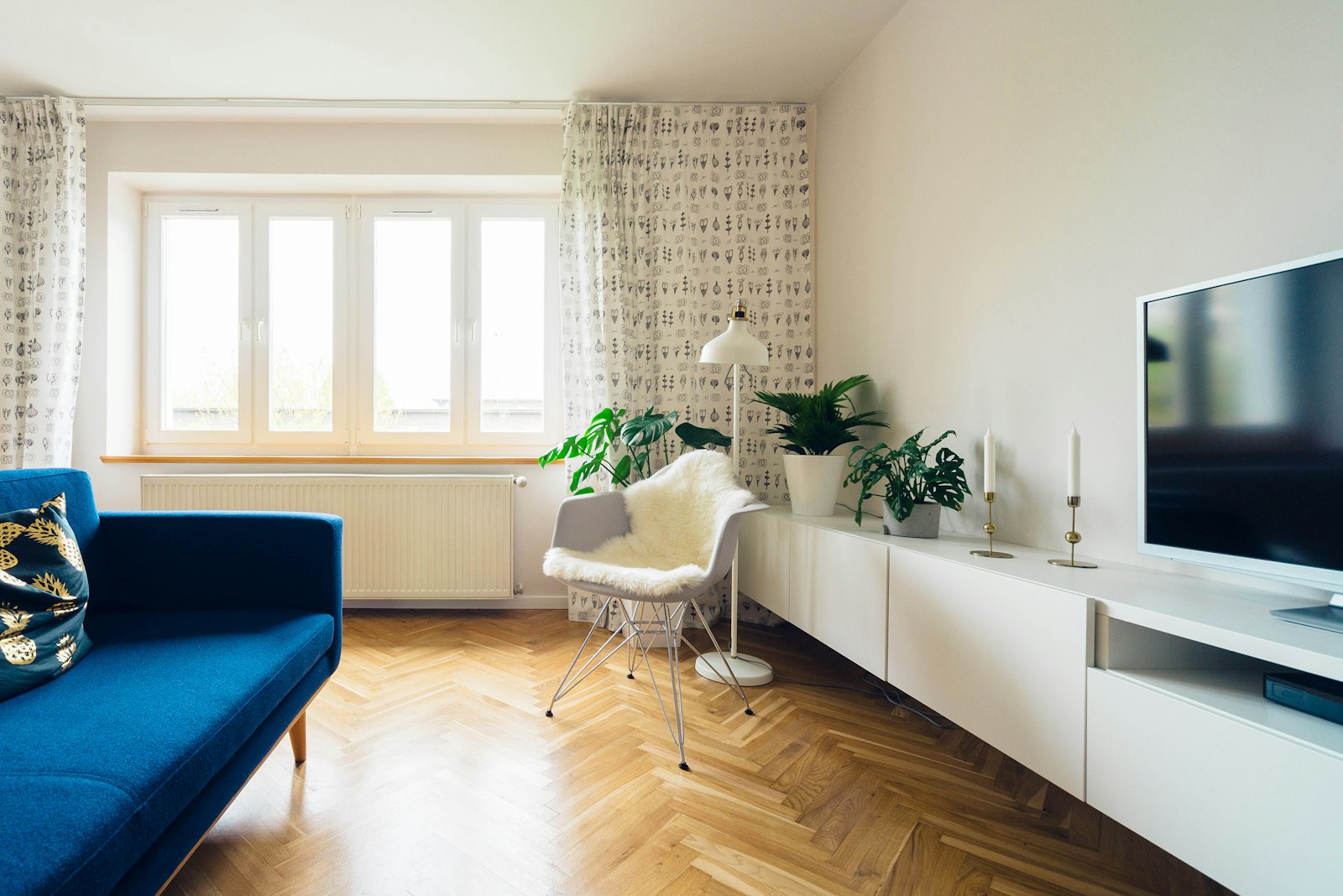
When my home feels cluttered, my mind feels cluttered, and I have stopped pretending the two are unrelated. But decluttering a whole house at once is overwhelming, so I do not. I start with the places that give back the most calm for the least effort, and I work in small, intentional passes rather than one exhausting purge.
I live alone with a house full of dogs and cats, which means my clutter has its own particular flavor: pet gear, single-person pile-ups, the stuff that accumulates when no one else is going to deal with it. These are the eight things I declutter first when I want a calmer home, in the order that gives me the quickest sense of relief.
In This Article
Key Takeaways
- A cluttered space genuinely affects how cluttered your mind feels.
- Start with high-impact, low-effort spots for a quick sense of relief.
- Small, intentional passes beat one exhausting whole-house purge.
- Living alone means the pile-ups are yours alone to manage, so systems help.
- Donate or recycle what you clear so it does not just become someone else’s landfill.
1. The Entryway and Landing Spots
I always start at the door. The entryway and the little landing spots, the counter by the keys, the table that collects everything, set the tone the moment I walk in. Clearing these first gives me an immediate hit of calm and a tidy place to land, which makes the rest of the house feel more possible.
2. Kitchen Counters
Clear kitchen counters do something disproportionate for my sense of order. I put away the appliances I do not use daily, deal with the mail that migrated there, and give myself open, usable surfaces. Since the kitchen is where I cook my plant-based meals, a clear counter also makes the cooking itself feel lighter.
3. Expired Food and Products
An easy, satisfying pass: clearing out expired food from the pantry and fridge, and old products from the bathroom. There is no agonizing decision here, since the item has simply timed out. It frees up space, and it is a gentle on-ramp to bigger decluttering because nothing about it is emotionally hard.
4. The “Just in Case” Pile
Every home has a “just in case” stash, the things kept for a someday that rarely comes. I go through mine and ask honestly whether I would actually use each item or could easily replace it if I ever needed it. Most of it can go, and letting it leave clears both physical and mental space.
5. Clothes I Never Wear
I pull the clothes I have not worn in a year, the ones that do not fit my life or my body now. Working from home, I genuinely need far fewer clothes than I used to, and a smaller, loved wardrobe makes getting dressed easier. What is still good goes to donation rather than the trash.
6. Duplicate and Excess Gear
Somehow I ended up with three spatulas and a drawer of mystery cords. I gather the duplicates and the excess kitchen gadgets, keep the one I actually use, and pass along the rest. For one person, owning multiples of things just creates clutter to manage, so paring down to one good version of each is a relief.
7. Paper and Mail
Paper multiplies in the dark like nothing else. I tackle the mail, the old paperwork, and the random stacks, recycling what I can and filing the few things worth keeping. Going as paperless as possible upstream means there is less to declutter next time, which is the real win.
8. Overflowing Pet Supplies
With a houseful of animals, pet stuff accumulates fast: worn-out toys, beds past their prime, leashes and gear I no longer use. I sort through it, keep what is in good shape, donate usable extras to my local animal shelter, and recycle or toss what is truly done. Closing this loop keeps the pet chaos from quietly taking over, and the shelter can always use the surplus.
Sources
- Reduce, Reuse, Recycle, U.S. Environmental Protection Agency.
- Sustainable Materials Management Basics, U.S. Environmental Protection Agency.
- Living a Minimalist Lifestyle Can Help Reduce Climate Anxiety, Yale Climate Connections.
The Free Subscriber’s Library Is Open
Join Peacefully Proven for a growing collection of free wellness tools, guides, and printables, plus a guided forest bathing meditation to begin. All yours, always free.




Join the conversation and add your thoughts.