
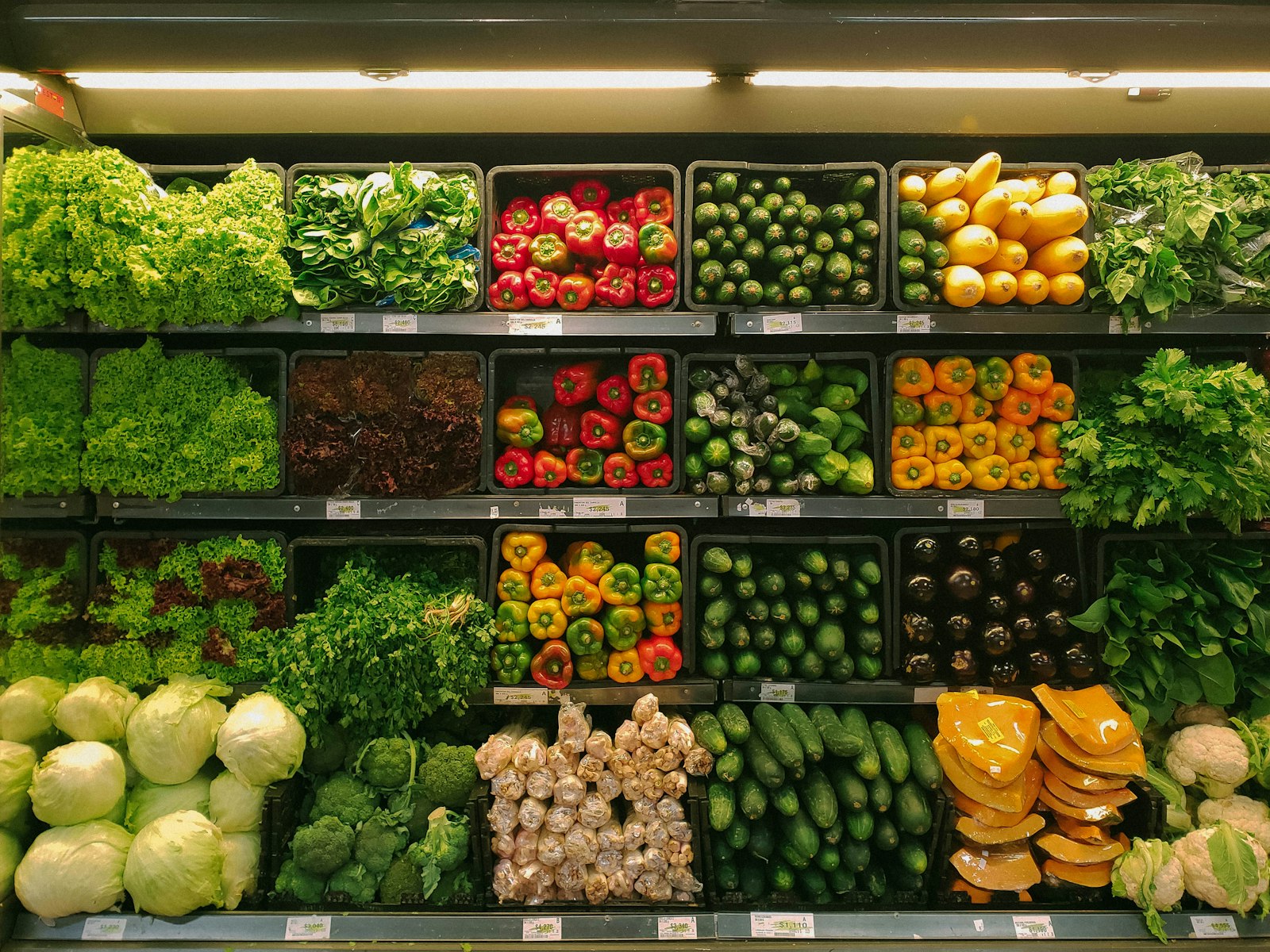
The first time I tried to shop ethically, I spent forty-five minutes in the grocery store reading labels and comparing certifications and ended up putting almost everything back because nothing was perfect. I left with a bag of apples and a low-grade headache. That wasn’t conscious consumption. That was perfectionism wearing an ethical costume.
What I’ve come to understand is that being a conscious consumer isn’t about achieving a flawless purchase record. No one does that. It’s about asking better questions, shifting a few choices at a time, and accepting that imperfect change repeated steadily beats heroic change abandoned in frustration.
This guide is the version I wish I’d had at the start. Practical, honest about trade-offs, respectful of your real budget and your real time, and aimed at the kind of conscious consumption you can actually keep doing for years.
In This Article
Key Takeaways
- Conscious consumption isn’t about being a perfect shopper: it’s about being a more intentional one. Imperfect, sustained change beats short-lived perfection.
- Buying less, well-made, second-hand, or local has more impact than chasing the perfect certified-everything brand.
- Different values lead to different priorities. Yours might be environmental, labor, animal welfare, local economy, or some mix, and that’s fine.
- Most certifications are imperfect, but they’re still better-than-nothing signals when you can’t research everything.
- The biggest impact most people can have is buying significantly less stuff overall. That single shift outpaces most other ethical-shopping strategies.
What Conscious Consumption Actually Means
Conscious consumption is, at its simplest, the practice of bringing your values into your buying decisions. You acknowledge that the things you buy were made by someone, somewhere, with consequences for people and the planet: and you let that acknowledgment shape what you choose, when you can.
It’s not, despite the marketing, a particular shopping pattern. It’s not the linen-draped Instagram aesthetic. It’s not buying everything from one expensive ethical brand. It’s not even buying only “green” things: much of what gets sold as green is greenwashing. Conscious consumption is a relationship between your values and your wallet, expressed through ongoing small decisions.
That relationship looks different for different people. For one person, it’s primarily about labor, how were the workers who made this treated? For another, it’s environmental, what was the impact of producing this thing? For another, it’s local, does this support the businesses in my community? Most conscious consumers care about several of these things and weight them differently in different categories. There’s no single correct version. There’s just your version, which you’ll figure out over time.
Why It Feels So Hard
If conscious consumption feels overwhelming, that’s because the system is genuinely designed to make it overwhelming. A few reasons it’s harder than it should be:
Information asymmetry. The companies know what’s in their products and how they were made. You don’t, unless you do significant research. The labels often hide more than they reveal.
Greenwashing. Vast amounts of marketing money go into making products look ethical that aren’t, especially in categories like fashion, beauty, and packaged food. The same word (“natural,” “sustainable,” “clean”) means different things in different places, and often nothing at all.
Trade-offs everywhere. The organic vegetable in plastic. The local product made by a company you don’t fully trust. The ethical brand you can’t actually afford. There’s rarely a clearly perfect option, which makes every choice fatiguing.
The scale of the problem. One purchase feels like a drop in an ocean of industrial-scale extraction. The discouragement is real and predictable, and it’s part of why so many people give up.
Naming all this isn’t an excuse to do nothing. It’s a reason to be gentler with yourself in the doing. The practice is hard not because you’re failing at it, but because it’s a hard practice in a hard system.
Starting With Your Own Values
Before you research a single brand, sit with what you actually care about. Conscious consumption that lasts is rooted in your specific values, not in a generic ethical-shopping list someone else wrote.
Some questions that help surface this:
- If you read a product was made under terrible labor conditions, would that change your purchase? In what categories most?
- How much weight do you put on environmental impact compared to labor compared to animal welfare compared to local economy?
- What are you willing to pay more for, and what are you not?
- Where does convenience genuinely matter to you (kids, work, health) and where could you accept some friction in exchange for better choices?
The point isn’t to arrive at a perfect philosophy. It’s to know your own priorities well enough to make peace with the trade-offs you’ll inevitably make. The person who’s clear that labor conditions matter most to them in clothing will navigate the closet differently than the person who’s most concerned with synthetic fabrics ending up in waterways. Both are conscious consumers. Both are making real choices. Neither needs to be the other.
Questions to Ask Before You Buy
Conscious consumption isn’t a checklist you run on every purchase, it’s a few questions you internalize until they happen reflexively.
- Do I actually need this? The most conscious choice is usually not buying. Asking this question, and pausing long enough to honor the answer, eliminates a striking percentage of would-be purchases.
- Could I get this used? Thrift stores, online resale, Buy Nothing groups, hand-me-downs. Used items have already paid their environmental cost.
- Could I borrow or rent it? For occasional-use items (formal wear, specialty tools, party supplies) borrowing is often free and always lower-impact.
- Could I get it from a small or local maker? Local money stays local. Small producers tend to have closer relationships with their materials and labor.
- Do I trust this brand’s claims? If a brand is making big ethical claims, look at whether they back them with real transparency: supplier lists, certifications, third-party verification.
- Will it last? A higher-priced, well-made item that lasts ten years often beats a cheaper one that gets replaced four times. Cost-per-year matters more than sticker price for durable goods.
Once these questions become reflexive, the buying decisions get faster, not slower. You stop spending forty-five minutes in the grocery store. You start steering, gently, toward better defaults.
Where Your Choices Have the Most Impact
Not all consumer categories are equal in their impact. If you have limited bandwidth, and everyone does, focus on the categories where conscious choices make the most difference.
Food. Especially what you eat most often, and especially animal products if you eat them. The day-to-day grocery basket has more environmental and ethical weight than people realize. Cutting back on the most resource-intensive items, choosing local and seasonal when accessible, and reducing food waste are the high-leverage moves.
Clothing. Fast fashion has enormous social and environmental costs. Buying less, buying better, buying used, and keeping clothes longer dramatically reduces the impact. A capsule wardrobe of well-made pieces, replenished slowly, beats a closet of cheap turnover.
Transportation. Cars, flights, daily commuting patterns. Big choices that compound over years.
Home goods and furniture. The big-ticket items are often where you can choose well-made and used over disposable. Estate sales, antique stores, and Craigslist remain underrated sources for furniture that’s both lower-impact and more interesting.
Personal care and cleaning products. Smaller absolute impact, but daily exposure means it’s worth caring about: and the alternatives have gotten very good.
The categories where individual choice matters less than people think: most single-purchase decisions, individual tech upgrades, the occasional convenience purchase. Don’t lose sleep over the wrong shampoo if your big categories are roughly aligned with your values.
Reading Labels Without Going Crazy
The labels and certifications are imperfect. They’re also better than nothing, and they let you make informed-enough decisions without becoming a full-time researcher.
A few certifications that are generally reliable signals:
- Fair Trade Certified: labor practices in coffee, chocolate, tea, sugar, and several other categories.
- USDA Organic, agricultural standards, including no synthetic pesticides and limited additives.
- FSC (Forest Stewardship Council), responsibly sourced wood and paper.
- B Corp: broader corporate ethics certification covering labor, environment, governance.
- Global Organic Textile Standard (GOTS), organic and ethically processed textiles.
- Leaping Bunny / Cruelty Free, no animal testing on personal care products.
None of these are perfect. All of them have been criticized in specific cases. But they’re meaningfully better than nothing, and they let you pick the better-than-default option without having to research every brand from scratch. When you have time and bandwidth to research deeper, do it. When you don’t, the certifications are a reasonable shortcut.
The Most Conscious Choice Is Often Less
The hardest truth in conscious consumption is also the most consistent: the most ethical choice in most categories is buying less. Not better. Less. The garment that wasn’t manufactured. The gadget that didn’t need to be replaced. The kitchen tool that didn’t get added to the drawer.
This is the truth that most ethical-shopping content avoids, because it’s hard to monetize a recommendation to not buy. But it’s the largest single lever most consumers have.
The implications are practical:
- Building a wardrobe slowly, with pieces you genuinely love and will keep wearing.
- Repairing instead of replacing when possible: a tailor, a cobbler, a phone repair shop.
- Borrowing, sharing, and trading among friends rather than each household owning everything.
- Resisting the upgrade reflex, the new model phone, the new version of an item that already works.
- Pausing before buying anything. Sleeping on it. Letting impulses settle.
None of this is glamorous. None of it gets featured in ethical shopping articles. And it has more cumulative impact than almost anything else you might do.
Progress Over Purity
If there’s a single posture that makes conscious consumption sustainable, it’s this: aim for progress, not purity. The shopper who improves five percent every year for ten years has a much bigger impact than the one who tries to be perfect for three months and burns out.
You will buy things you regret. You will choose convenience some days. You will support a company that turns out to have been worse than you thought. None of this disqualifies you from the practice. The practice is the cumulative direction of your choices, not the absence of any imperfect ones.
Start where you are. Pick one or two categories that matter to you most. Make small, sustainable shifts. Notice what works in your life and what doesn’t. Adjust. Stay at it.
The conscious consumer’s superpower isn’t moral purity. It’s persistent, imperfect, values-aligned action over time. Not the heroic single decision. The thousand small ones, made with awareness, repeated. That’s the version that changes households, changes markets, and changes, eventually, the systems that produce what we buy. Your participation, however imperfect, counts. Keep going.
Sources
- Living a Minimalist Lifestyle Can Help Reduce Climate Anxiety, Yale Climate Connections.
- Sustainable Materials Management Basics, U.S. Environmental Protection Agency.
- Caregiving, National Institute on Aging.
- Could a minimalist lifestyle reduce carbon emissions and improve wellbeing?, WIREs Climate Change (Wiley).
- Anxiety Disorders, National Institute of Mental Health.
The Free Subscriber’s Library Is Open
Join Peacefully Proven for a growing collection of free wellness tools, guides, and printables, plus a guided forest bathing meditation to begin. All yours, always free.







Join the conversation and add your thoughts.