
If you’re reading this, you’re probably someone who gives a lot. Maybe you’re caring for an aging parent, raising young children, supporting a partner through illness, or simply carrying the invisible weight of being the person everyone else leans on. You know how to show up for others. You’re less sure how to show up for yourself.
Caregiver self-care isn’t a luxury or an afterthought. It’s how caregiving becomes sustainable. It’s how you remain present, not depleted, for the people who need you most. This isn’t a guide about bubble baths or spa days (though those are lovely). This is about the smaller, more consistent practices that actually keep you going.
The Invisible Weight of Caregiving
Caregiving, in all its forms, is one of the most demanding roles a person can hold. The physical labor is visible, but the emotional weight often isn’t: the constant mental load of anticipating needs, the grief of watching someone decline, the guilt of needing a break.
What makes caregiving uniquely exhausting is that it’s relentless. There are rarely clear “off hours.” The line between caregiver and person becomes blurry. And the cultural story we’re often told is that good caregivers don’t need anything themselves. That story is wrong: and believing it is one of the fastest routes to burnout.
Why Self-Care Isn’t Selfish (It’s Survival)
You’ve heard the oxygen mask analogy. Put on your own mask before helping others. It’s repeated so often it can start to feel cliché, but it’s biologically accurate. When caregivers consistently sacrifice their own needs, the consequences are measurable: higher rates of depression, compromised immune function, sleep disorders, and increased risk of serious health events.
Taking care of yourself isn’t an indulgence you earn after taking care of everyone else. It’s the very thing that makes caring for everyone else possible. Your well-being is not separate from your caregiving, it’s the foundation of it.
Micro Self-Care Practices That Actually Fit Your Day
If you’re in the thick of a demanding caregiving season, conventional advice (get more sleep, exercise regularly, take vacations) can feel like a cruel joke. So let’s talk about what actually fits.
Micro self-care is the practice of intentionally claiming small moments throughout your day:
- A five-minute breathing reset: before entering the house, before a difficult conversation, before bed. Three slow breaths. It’s not nothing.
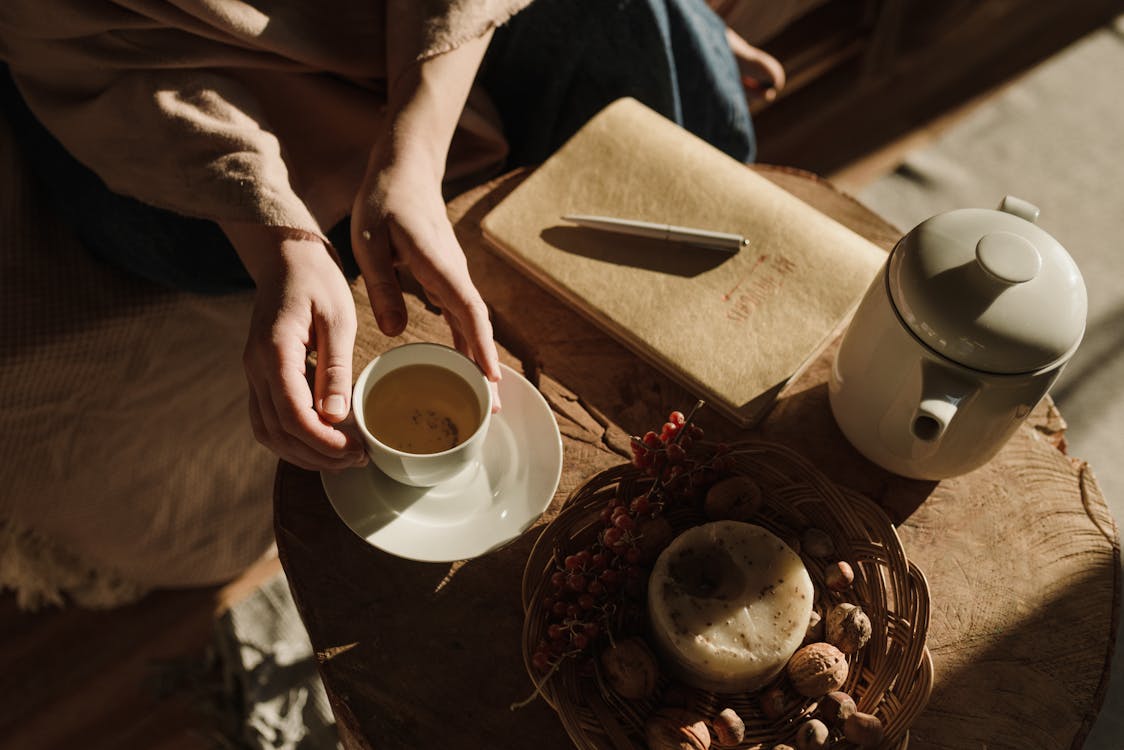
- One intentional cup of something warm: made and consumed without doing anything else. Five minutes of being a person, not a caregiver.
- A short walk, even around the block. Movement is mood medicine, and you don’t need an hour. Ten minutes in fresh air will shift your nervous system measurably.
- One thing that is just for you today. A podcast episode. A chapter of a book. A text to a friend who makes you laugh. Something that reminds you that your life is your own.
These aren’t substitutes for deeper rest and support. But they are real, accessible, and they add up in ways that matter.
“You cannot pour from an empty cup. But you can take a moment, just a moment, to refill it. Your care for yourself is what makes your care for others last.”
Nature as Medicine: The Power of Forest Bathing
One of the most consistently research-supported forms of restoration for overwhelmed minds and bodies is extraordinarily simple: time in nature. The Japanese practice of shinrin-yoku, forest bathing, involves unhurried, immersive time among trees. Not exercise. Not hiking. Just being in a natural space with your senses open.
Studies have shown that forest bathing lowers cortisol, reduces blood pressure, and supports immune function. You don’t need a forest. A park, a garden, a quiet stretch of neighborhood trees will do. What matters is the quality of presence you bring: slowing down, breathing, letting the natural world do what it has done for humans for millennia.
Free Forest Bathing Guided Meditation
We’ve created a free guided meditation to help you experience the restorative power of forest bathing wherever you are. Download it free here, a small gift for someone who gives so much.
Building Your Support System (And Asking for Help)
One of the most countercultural things a caregiver can do is ask for help. Our culture valorizes independence and self-sufficiency, which means many caregivers operate in isolation far longer than they should. A support system doesn’t have to be complex. It might be one friend who brings dinner once a week, a sibling who takes over for a few hours on Sundays, or an online support group of people who genuinely understand what you’re carrying.
Set one micro-boundary this week: a time you turn off your phone, a night you go to bed when you’re tired instead of after everyone else is settled, a favor you ask instead of absorb. Small boundaries create the space that makes continued caregiving possible. You’re not asking for weakness when you ask for help. You’re asking for what makes the work sustainable.
Signs of Caregiver Burnout, A Weekly Check-In
- Persistent exhaustion that sleep doesn’t fix
- Feeling detached or resentful toward the person you’re caring for
- Withdrawing from friends, hobbies, or activities you used to love
- Increased irritability, anxiety, or unexpected tearfulness
- Neglecting your own health appointments and needs
- Feeling trapped, like there’s no one who could take your place
More for Your Peaceful Journey
Get free guides, meditations, and checklists to support your well-being, delivered to your inbox. Join our free resource library and give yourself something good today.
You might also enjoy:






Join the conversation and add your thoughts.