


Welcome to Your Home Tea Apothecary
There’s a jar of dried chamomile flowers on my kitchen counter right now, sitting next to a jar of rose petals, a jar of ginger root pieces, and a neat row of other herbs that look like they belong in a cottage from another century. It makes me smile every time I walk into the kitchen. My little tea apothecary has become one of my favorite things about my home — and one of the most meaningful wellness practices I’ve ever adopted.
Making your own loose leaf tea blends is simpler than you might think. You don’t need special equipment, a degree in herbalism, or a huge budget. What you do need is some good-quality dried herbs, a few basic tools, and the willingness to experiment. Over the past few years, I’ve developed eleven healing tea blends that cover everything from sleep support to immune defense, stress relief to glowing skin. This guide is your roadmap to all of them.
Why Make Your Own Tea Blends?
If you can buy tea bags at the grocery store, why would you bother mixing your own blends? Fair question. Here’s why I’ll never go back to pre-packaged teas:
The herbs are fresher and more potent. Commercial tea bags often contain herbs that have been ground to a fine dust, exposing more surface area to air and causing them to lose their beneficial compounds faster. When you buy whole dried herbs and mix your own blends, you’re working with ingredients that are dramatically more potent. The difference in flavor alone will convince you.
You control the ingredients and ratios. Most commercial “calming” or “immune support” teas contain token amounts of the headline herbs. The chamomile tea bag that lists passionflower on its label might contain barely a sprinkle. When you make your own blend, you decide exactly how much of each herb goes in, and you can adjust to your body’s needs and your taste preferences.
It’s significantly cheaper. A box of 20 specialty tea bags can cost $6 to $10. For that same price, you can buy enough bulk dried herbs to make 100 or more cups. Once you have a basic herb collection built up, each cup of tea costs pennies.
There are no hidden additives. Many commercial teas include “natural flavors,” which can mean just about anything. Some contain added sweeteners, preservatives, or fillers. When you mix your own, you know exactly what’s in your cup — dried herbs and hot water. That’s it.
It’s a meditative, creative practice. There’s something deeply satisfying about measuring out herbs, mixing them with your hands, and sealing them in jars with handwritten labels. It connects you to a tradition of herbalism that stretches back thousands of years. It slows you down. And in a world that moves too fast, that’s worth a lot.
Essential Equipment for Your Tea Apothecary
You don’t need much to get started, and you probably already own some of these items:
Airtight glass jars are essential for storing your blends. Mason jars (8 oz or 16 oz) work perfectly and are inexpensive. If you can find amber or dark-colored glass jars, even better — they protect light-sensitive herbs from degrading. Avoid plastic containers, as they can absorb and transfer odors.
A tea infuser ball or basket is what you’ll use to brew individual cups. I prefer a stainless steel mesh basket infuser that sits inside your mug — it gives the herbs more room to expand than a small ball infuser, which results in better extraction and a more flavorful cup. You can find good ones for just a few dollars online or at kitchen stores.
Measuring spoons are all you need for measuring. A basic set of tablespoons and teaspoons is sufficient for mixing blends and scooping portions for individual cups. If you want to be more precise, a small kitchen scale that measures in grams is nice to have but not necessary.
A large mixing bowl for combining your herbs. Nothing fancy — just something big enough to give you room to toss and mix without spilling herbs all over your counter.
Labels and a marker for marking your jars with the blend name and date. Trust me, dried herbs can look surprisingly similar once they’re mixed together, and you don’t want to accidentally drink your sleep blend at 8 AM.
A fine mesh strainer as a backup for when you want to brew a whole pot rather than a single cup. Pour through the strainer into your teapot or a second pitcher.
Where to Buy High-Quality Dried Herbs
The quality of your herbs matters enormously. Here are my favorite sources, roughly in order of how often I use them:
Mountain Rose Herbs (mountainroseherbs.com) is my top recommendation. They offer certified organic herbs, transparent sourcing, and excellent quality. Their selection is huge, and the herbs are always fresh and aromatic when they arrive. Prices are very reasonable, especially when you buy in bulk quantities (4 oz or more of each herb).
Starwest Botanicals (starwestbotanicals.com) is another excellent online option with a wide selection of organic herbs. They tend to have slightly lower prices on some items and offer both small and bulk quantities. Their quality has been consistently good in my experience.
Amazon can be a convenient option, but be selective. Look for sellers that specialize in herbs and have strong reviews. Brands like Frontier Co-op, Davidson’s Organics, and Buddha Teas offer good quality dried herbs on Amazon. Always check that herbs are food-grade and preferably organic.
Your local health food store or co-op is a wonderful place to start if you want to buy small amounts to try before committing to larger quantities. Many natural food stores have bulk herb sections where you can scoop exactly as much as you need. This is also a great way to smell and visually inspect herbs before buying them.
Local farmers markets sometimes have vendors selling dried herbs, especially lavender, chamomile, and culinary herbs like rosemary and peppermint. Buying local means the herbs are often incredibly fresh.
The Complete Peacefully Proven Tea Collection
Here’s a quick reference guide to all eleven blends in this collection. Each one has its own detailed article with the full recipe, ingredient breakdowns, brewing instructions, and tips.
| Blend Name | Best For | Key Ingredient | Best Time of Day |
|---|---|---|---|
| Peaceful Evening Blend | Evening relaxation | Chamomile | 60-90 min before bed |
| Deep Sleep Blend | Sleep support | Valerian root | 30-60 min before bed |
| Immunity Shield Blend | Immune defense | Echinacea & Elderberry | Morning |
| Gentle Detox Blend | Liver support | Dandelion root | Mid-morning |
| Morning Energy Blend | Caffeine-free energy | Peppermint | Morning |
| Happy Belly Blend | Digestive comfort | Fennel & Ginger | After meals |
| Clear Mind Blend | Focus & memory | Ginkgo biloba | Work/study hours |
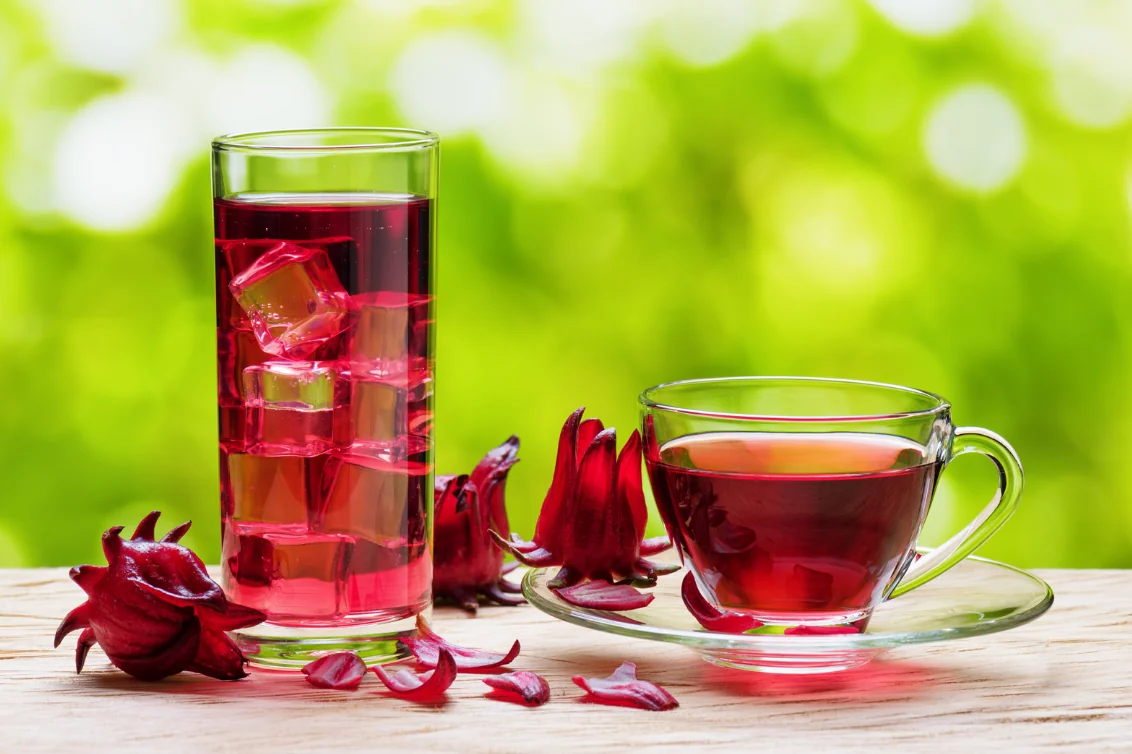
| Skin Glow Blend | Skin radiance | Hibiscus & Rose | Afternoon |
| Stress Melt Blend | Stress resilience | Ashwagandha & Tulsi | Mid-morning or afternoon |
| Comfort & Ease Blend | Joint & inflammation | Turmeric & Black pepper | Morning with food |
| Heart Song Blend | Cardiovascular support | Hawthorn & Hibiscus | Morning |
How to Customize Any Blend
One of the greatest joys of DIY tea blending is making each recipe your own. Here are some ways to customize:
Adjusting strength: If a blend feels too strong, reduce the amount you use per cup from 2 teaspoons to 1 or 1.5 teaspoons. If it feels too mild, try steeping longer before increasing the amount — you might just need more extraction time.
Adding natural sweetness: Raw honey is my go-to sweetener for herbal tea. It adds its own health benefits and complements most herb flavors beautifully. Maple syrup works well with earthier blends (like the Detox or Joint teas). For a zero-calorie option, a few drops of liquid stevia can work, though it changes the flavor profile slightly. Licorice root is a natural sweetener — adding a small piece to any blend will increase its sweetness without any added sugar.
Cold brewing: Most of these blends work beautifully as cold brew iced teas, especially the Energy, Skin Glow, Heart Song, and Immunity blends. Use about 3 tablespoons of blend per quart of cool water, refrigerate for 8 to 12 hours, and strain. Cold brewing produces a smoother, less bitter tea with a slightly different flavor profile — it’s worth trying with every blend at least once.
Blending blends: Once you’re comfortable with the individual recipes, try combining elements from different blends. Want focus and calm? Mix equal parts Clear Mind and Peaceful Evening. Need immune support with a glow boost? Combine Immunity Shield and Skin Glow. There are no rules here — just your intuition and your taste buds.
Adding fresh ingredients: A slice of fresh lemon, a few leaves of fresh mint, a thin coin of fresh ginger, or a cinnamon stick added to your cup can enhance any dried blend. Fresh herbs add a vibrancy that complements the deeper, more concentrated flavors of the dried blend.
General Storage and Safety Guidelines
Storage: All blends should be stored in airtight glass jars in a cool, dark place. Most blends stay fresh and potent for three to six months. Write the date on each jar so you can track freshness. When in doubt, give the jar a sniff — the herbs should smell aromatic and vibrant. If they smell flat or dusty, it’s time for a fresh batch.
Safety: While all the herbs in these blends have long histories of safe use, everyone’s body is different. If you’re pregnant, breastfeeding, taking medications, or have a serious health condition, check with your healthcare provider before starting any new herbal routine. Start with small amounts of any new blend and pay attention to how your body responds.
These teas are not medicine. They’re a wonderful complement to a healthy lifestyle, but they’re not a substitute for medical care. If you have a health concern, see your doctor. Use these teas to support your wellbeing, not to treat or diagnose conditions.
Building Your Starter Collection
You don’t have to make all eleven blends at once. If you’re just getting started, I’d recommend picking two or three that address your biggest needs right now. Here’s how I’d prioritize based on common starting points:
- If you struggle with sleep: Start with the Peaceful Evening Blend and the Deep Sleep Blend
- If you’re always getting sick: Start with the Immunity Shield Blend
- If stress is your main issue: Start with the Stress Melt Blend and the Happy Belly Blend (stress and digestion are closely linked)
- If you want a healthy morning ritual: Start with the Morning Energy Blend and the Heart Song Blend
- If you’re focused on beauty and anti-aging: Start with the Skin Glow Blend and the Comfort and Ease Blend (inflammation ages us faster than almost anything)
Once you’ve tried a few blends and built confidence in the process, expand from there. Before you know it, you’ll have a full apothecary shelf that makes you feel like the herbalist you never knew you wanted to be.
Your Kitchen Is Your Apothecary
I started this journey with one bag of dried chamomile and a curiosity about what else was possible. Now my kitchen shelf holds eleven different blends, each one serving a different purpose and each one bringing a different kind of comfort to my day. Making tea from scratch has connected me to the herbs themselves, to the traditions of people who’ve been doing this for thousands of years, and to my own body’s needs in a way that grabbing a tea bag from a box never did.
You don’t have to do this perfectly. You don’t need an herb garden or a certification. You just need a willingness to try, a mason jar, and a kettle of hot water. Start with one blend. See how it makes you feel. And then, when you’re ready, make another.
Welcome to the apothecary. I’m so glad you’re here.




Join the conversation and add your thoughts.